
DOJ charges Texas residents over a giant tax shelter scheme
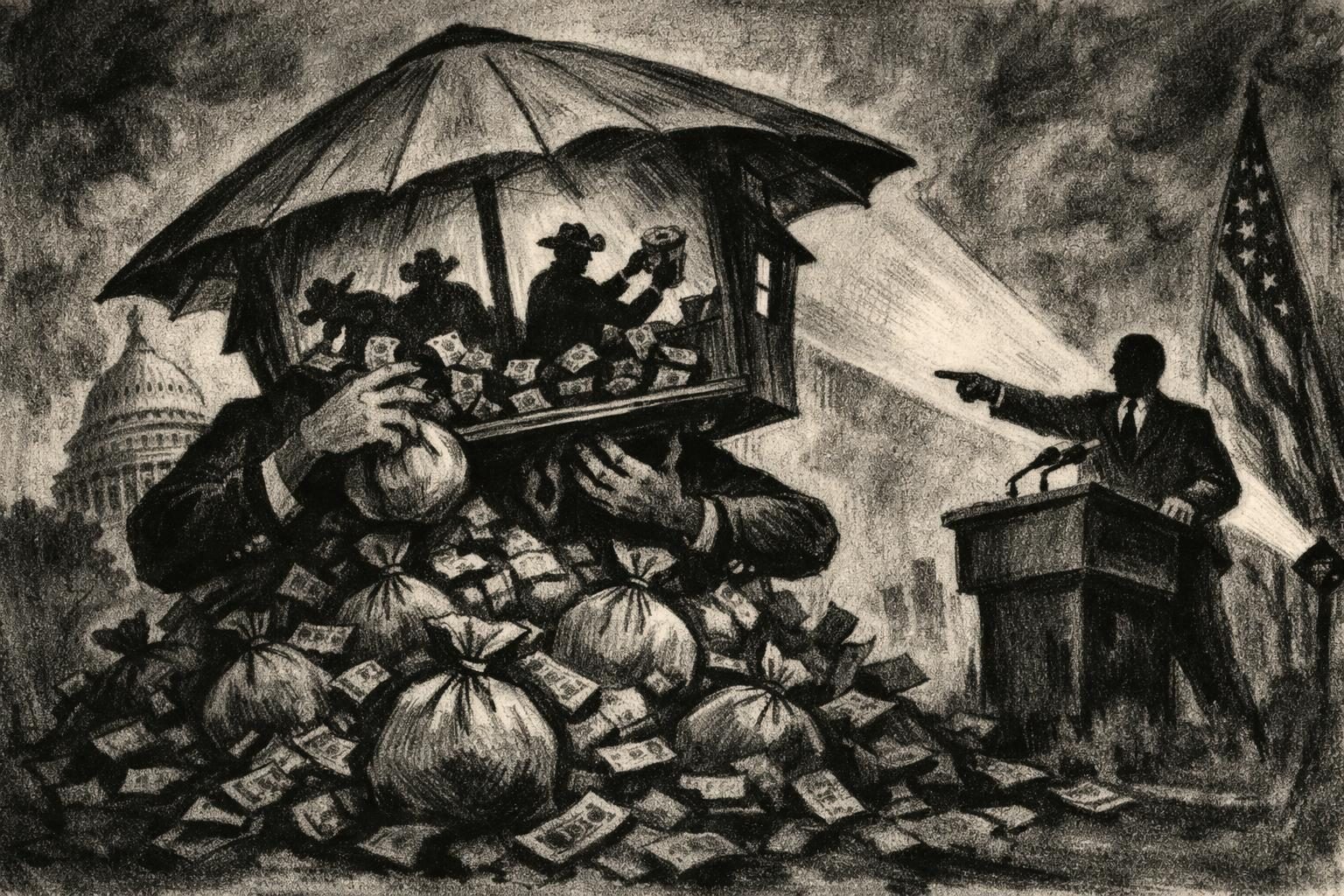
Federal prosecutors have charged four Texas residents with running and promoting what they describe as an illegal tax shelter built on sham trusts, false promises, and a pitch that income could somehow be made to disappear without the government noticing. According to the Justice Department, the scheme was marketed as a way to permanently defer taxes while allowing clients to keep control of their money, which is a lot of legal-sounding jargon for what authorities say was fraud dressed up as financial sophistication. Prosecutors say the arrangement was not some obscure technical misunderstanding or a gray-area tax position that later got rejected by regulators. Instead, they allege it was a deliberate structure designed to mislead customers, conceal income, and generate massive tax losses. In the department’s telling, the operation successfully sheltered more than $1.5 billion in income and caused an estimated federal tax loss of over $200 million, a staggering number even by the standards of white-collar enforcement.
What makes the case especially notable is not just the alleged size of the losses, but the familiar way these schemes are said to work. The basic sales pitch, according to prosecutors, was that clients could place their earnings into trusts that were not real in any meaningful legal or economic sense, while still acting as though the money remained theirs to use and control. That kind of setup has long been a favorite of tax-shelter promoters because it packages an old trick in a fresh layer of paperwork and confidence. It also exploits a simple human weakness: the hope that there is always a smarter, safer, more secret way to avoid the bill than simply paying what you owe. The government says the defendants encouraged that fantasy and then monetized it, turning tax evasion into a business model with brochures, assurances, and the kind of pseudo-expert language that can make nonsense sound respectable if delivered with enough conviction. If the allegations hold up, this was not a clever workaround accidentally pushed too far. It was a planned sales operation built around telling wealthy clients what they wanted to hear.
The political relevance of the case is hard to miss. For years, critics of the Internal Revenue Service have argued that the tax system is confusing, punitive, and selectively enforced, while defenders of enforcement have countered that the real problem is not too much law but too much cleverness from people with the money to game it. This case fits squarely into that argument because it allegedly involved taxpayers and promoters who treated the tax code less like a set of rules and more like an obstacle course to be hacked. The Justice Department’s action also gives federal officials a chance to show that their fraud enforcement is not limited to street-level offenses or easy symbolic cases. White-collar tax schemes can be enormously damaging precisely because they are hidden behind complexity, professional polish, and a clientele that can afford to gamble. That makes them harder to detect and harder to unwind once the money has moved around. It also means the public often ends up paying the tab long after the promoters have cashed out. In that sense, the case is about more than one alleged shelter. It is about the recurring political problem of wealthy tax cheating being packaged as sophistication instead of theft.
The department said the criminal charges do not stop with the tax shelter itself. One defendant was also charged with fraudulently soliciting a separate investment tied to the shelter, which suggests the conduct may have extended beyond tax avoidance and into a broader fraud operation. That matters because it hints at an enterprise with multiple revenue streams and multiple layers of deception, not just a single bad legal theory gone off the rails. Prosecutors will still have to prove the allegations in court, and the defendants are entitled to contest the charges and argue that their conduct was lawful, misunderstood, or overstated by investigators. But the public record as described by the department paints a bleak picture: a large-scale scheme, a large alleged tax loss, and a set of promises that seem designed to sound futuristic while relying on very old-fashioned dishonesty. The broader lesson is the one officials always hope to drive home in cases like this: complicated language does not make fraud legitimate, and trust-based tax shelters are not less dubious because they come with charts, entities, and confident salesmen. If the prosecution succeeds, it will likely be used as a warning to both promoters and customers that the government still has some appetite for pursuing big-ticket tax shelter abuse, especially when the alleged losses run into the hundreds of millions and the paper trail suggests that the whole arrangement was engineered to evade rather than comply.
Comments
Threaded replies, voting, and reports are live. New users still go through screening on their first approved comments.
Log in to comment
No comments yet. Be the first reasonably on-topic person here.