
DOJ’s tax-fraud surge splashes across the map, and the numbers are ugly
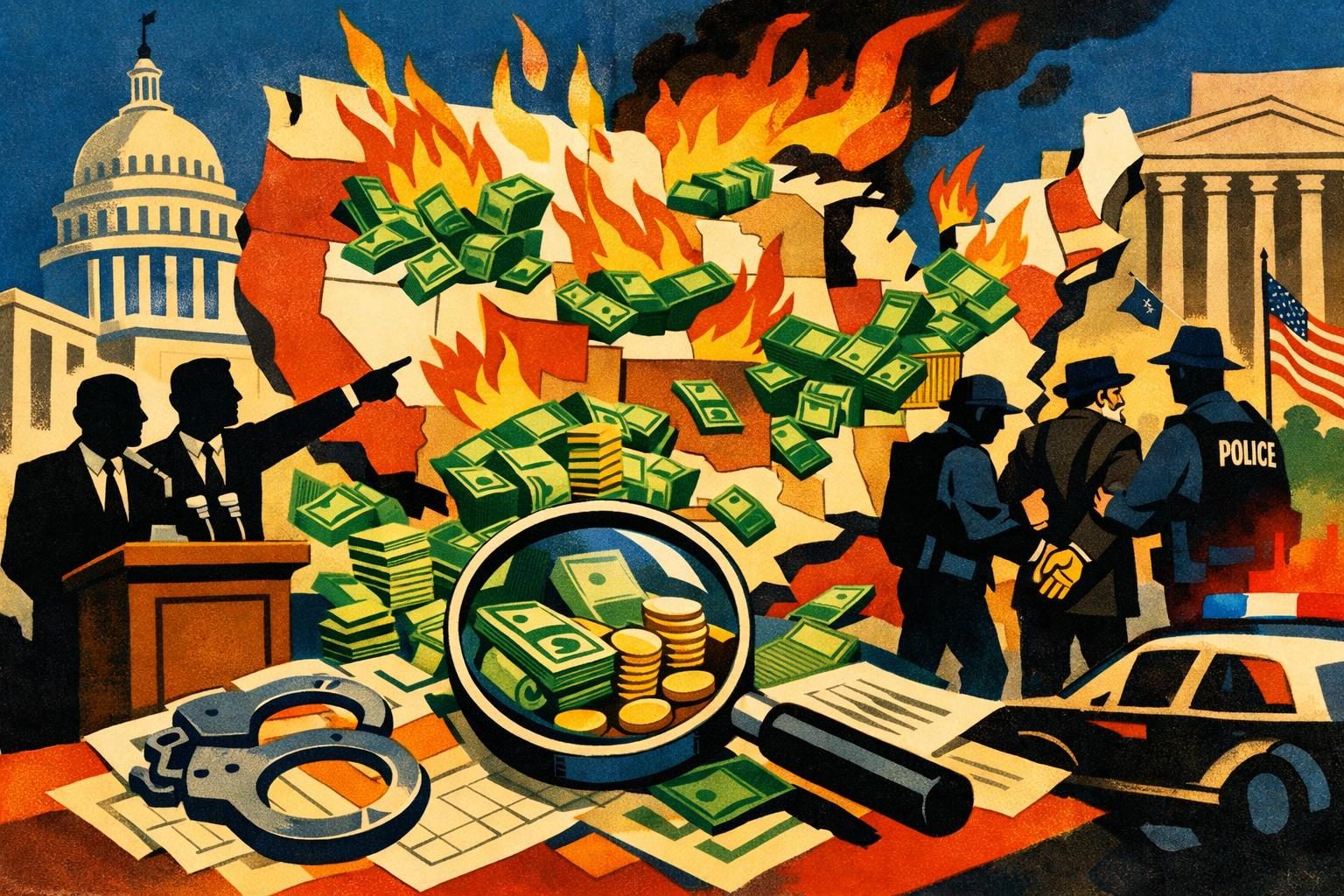
The Justice Department spent October 14 trying to make one thing clear: the tax-fraud problem it is chasing is not narrow, local, or tidy. Across several districts, federal prosecutors rolled out new charges, indictments, and related actions as part of a broader enforcement surge that put fresh numbers on an old kind of damage. The most eye-catching figure came out of the Eastern District of Texas, which said it was participating in a nationwide action tied to more than $490 million in tax fraud. Other offices, including Maryland and additional districts, issued their own announcements the same day, making the whole thing look less like a single case than a coordinated sweep. That distinction matters because the public-facing version of these events often emphasizes speed and seriousness, while the underlying paperwork tends to reveal just how much alleged misconduct has already accumulated. In this case, the paper trail is the story: prosecutors were not unveiling one isolated scheme, but a cluster of cases that suggest the fraud machine had been running across multiple jurisdictions for some time.
The political reading is just as important as the legal one. For an administration trying to project toughness on white-collar crime, a nationwide tax-fraud push offers a useful stage, complete with large dollar figures and the familiar language of accountability. But those same numbers can cut in the opposite direction, because they invite a basic question that is hard to dodge: if this much alleged fraud is only now being surfaced in public, how much else is still sitting inside investigative files? The scale alone suggests DOJ’s fraud apparatus is leaning into coordinated attention rather than a one-off local case. That may reflect a deliberate strategy to show that prosecutors are working across district lines and following financial schemes wherever the evidence leads. It may also be an implicit admission that the problem is bigger than any one office can comfortably handle. Big enforcement blitzes are usually pitched as proof that the system is working, but they can just as easily read like a belated attempt to catch up with losses that already happened.
There is also a practical fallout here that goes beyond the press release language. When federal prosecutors announce a broad tax-fraud sweep, they send a message not only to defendants but to employers, accountants, tax preparers, institutions, and state agencies that may have touched the underlying filings. Even if every case is still in its early stages, a multi-district action can trigger follow-on inquiries, internal audits, repayment disputes, and new scrutiny for anyone who certified documents or missed obvious warning signs. That is one reason these announcements carry so much weight: they are not just about charging individuals, but about signaling that the alleged conduct may have rippled through a wider ecosystem. In a situation like this, the government is often trying to do two things at once, punish the apparent wrongdoing and warn others that similar behavior is now on the radar. Critics will almost certainly argue that the warning comes late, after the damage has already spread. Supporters will say that this is what enforcement is supposed to look like when the fraud is diffuse and difficult to untangle. Either way, the results reach beyond the courthouse and into the institutions that may have enabled or overlooked the scheme.
Taken together, the October 14 actions amount to more than a routine batch of federal filings. They suggest an active attempt by DOJ to show that tax fraud is being pursued as a national problem rather than a series of disconnected local cases, while also exposing the sheer size of the financial mess prosecutors believe they are confronting. The Eastern District of Texas announcement, with its reference to more than $490 million in alleged tax fraud, gives the effort a scale that is hard to ignore. Maryland’s separate activity and the other district-level cases reinforce the sense that this was a coordinated push rather than a single burst of publicity. That does not mean every allegation has the same factual background or that every case will move at the same pace, and it would be premature to treat the sweep as proof of guilt before the underlying proceedings play out. But the overall picture is unmistakable enough: prosecutors are dealing with a broad and ugly set of numbers, and they are making a point of showing their work. If this is the government’s attempt to project control, it also doubles as a public ledger of how much alleged fraud already slipped through. In that sense, the victory lap and the audit are starting to look like the same event.
Comments
Threaded replies, voting, and reports are live. New users still go through screening on their first approved comments.
Log in to comment
No comments yet. Be the first reasonably on-topic person here.