
Justice Department Threatens California Over Alleged Noncitizens on Voter Rolls
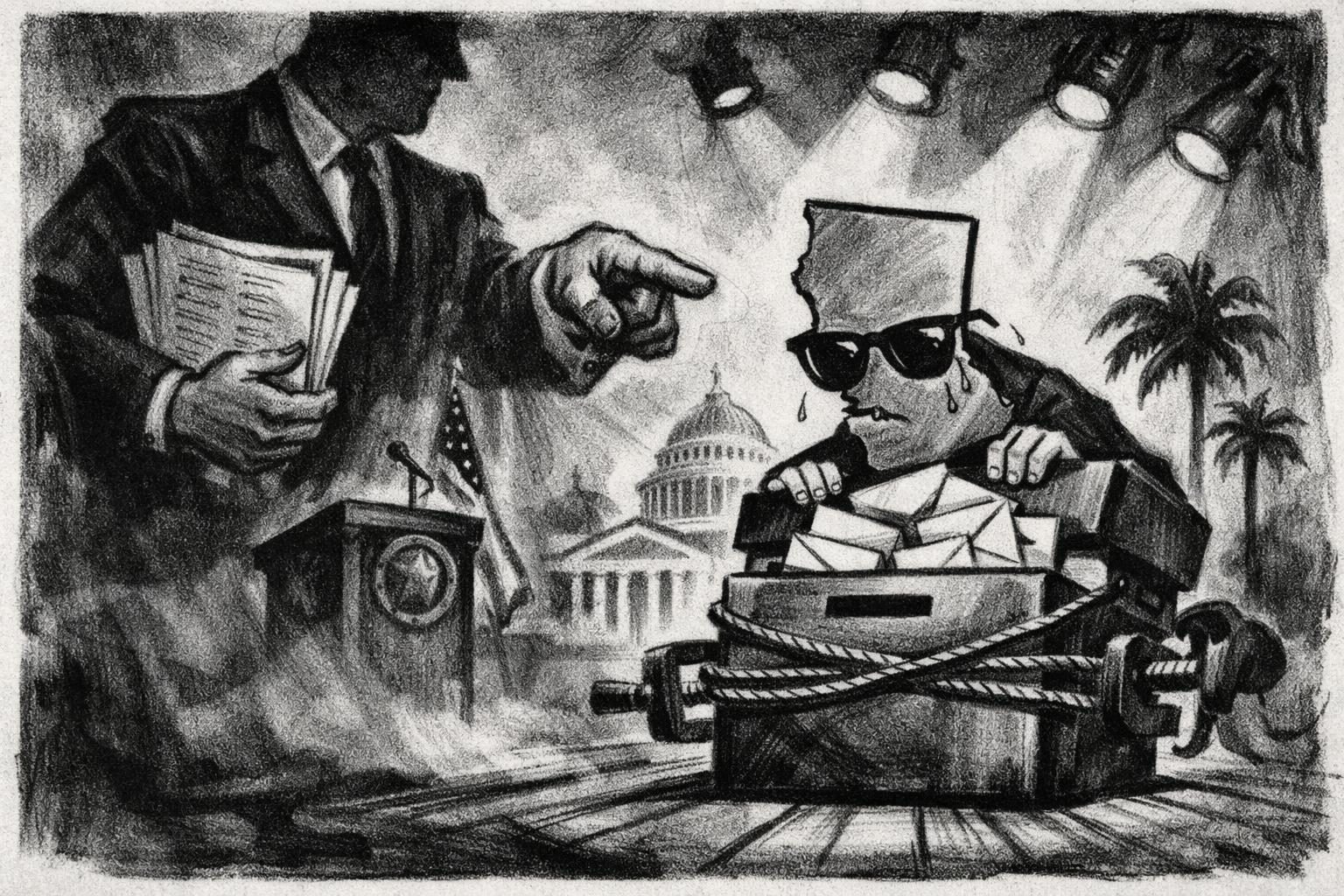
The Justice Department has put California on notice that it may sue over claims that some noncitizens received mail ballots, setting up another high-pressure fight over election administration just weeks before the midterm election. In a letter sent Tuesday to the state’s top election official, federal lawyers said they had already shared a list of names with Los Angeles County and described those names as people the government believes are likely noncitizens who were sent ballots. The accusation is serious on its face, but the timing and the tone make it hard to ignore the political force of the move. When a federal law-enforcement agency steps into a voting dispute this close to an election, even a limited request can land like a broadside. The practical effect is not just to raise questions about the ballots in question, but to warn local officials that the federal government is watching, and that it is willing to escalate quickly if it thinks its concerns are not being taken seriously.
That is why the matter is likely to be read in California as more than a routine election-oversight letter. State and county officials already operate with procedures meant to maintain voter rolls, cross-check records, and handle mistakes when they appear. The state will probably argue that those systems exist precisely so that isolated problems can be corrected without turning them into a national scandal or a sweeping attack on the integrity of the electorate. The federal claim, by contrast, appears to lean heavily on a list of names rather than on a fully public explanation of how the names were generated, how the government verified them, or how many of the ballots in question were actually cast. That leaves the dispute suspended between a legitimate enforcement inquiry and a familiar political script in which immigration status is folded into warnings about voter fraud. If the government has strong evidence, it can be expected to present it in the proper forum. If the evidence is partial, uncertain, or incomplete, then the threat of litigation may do more to rattle election officials than to clarify the facts.
The larger danger in this kind of confrontation is that it can chill election administration at exactly the moment when local offices need to move carefully and efficiently. County registrars and state election officials are already under pressure in the final run-up to an election, when mail ballots are being processed, records are being updated, and any public dispute can quickly spill into confusion for voters. A threat of federal legal action can make those jobs harder even if the underlying claim turns out to affect only a small number of cases. It also risks turning ordinary list maintenance into partisan theater, where every correction becomes a talking point and every discrepancy becomes evidence for one side or the other. That dynamic does not necessarily prove wrongdoing, but it does create an environment in which officials may feel compelled to defend their procedures before they can even finish checking them. In that sense, the message from Washington may matter as much as the specific names on the list. The letter is not merely a request for information; it is a signal that the dispute could move from administrative channels into the courtroom, with all the pressure that would bring.
The fight also fits into a broader pattern in which election administration, immigration status, and fraud claims are increasingly being bundled together for maximum political effect. California officials are likely to frame the matter as intimidation dressed up as enforcement, especially if they believe the federal government is overstating the evidence or implying broader misconduct than it can actually show. Federal officials, for their part, will likely insist they are doing their job by investigating possible irregularities and alerting local authorities to names they think deserve scrutiny. Both things can be true at once: a government can have a legitimate reason to review possible errors, and it can still choose rhetoric that inflames the dispute far beyond the underlying facts. That is what makes this episode politically volatile. It is not just a question of whether certain ballots were sent to people who should not have been on the rolls. It is also a test of whether the federal government is using its authority to resolve a narrow election issue or to amplify suspicion at a moment when trust in elections is already fragile. If litigation follows, the case could put county officials under a microscope and force a legal fight over procedures that are usually handled quietly. If no suit is filed, the threat alone may still have done its work by injecting doubt, fear, and another round of partisan suspicion into an already tense election season.
Comments
Threaded replies, voting, and reports are live. New users still go through screening on their first approved comments.
Log in to comment
No comments yet. Be the first reasonably on-topic person here.