
HHS declares public health emergencies in Florida and Alabama after Isaias
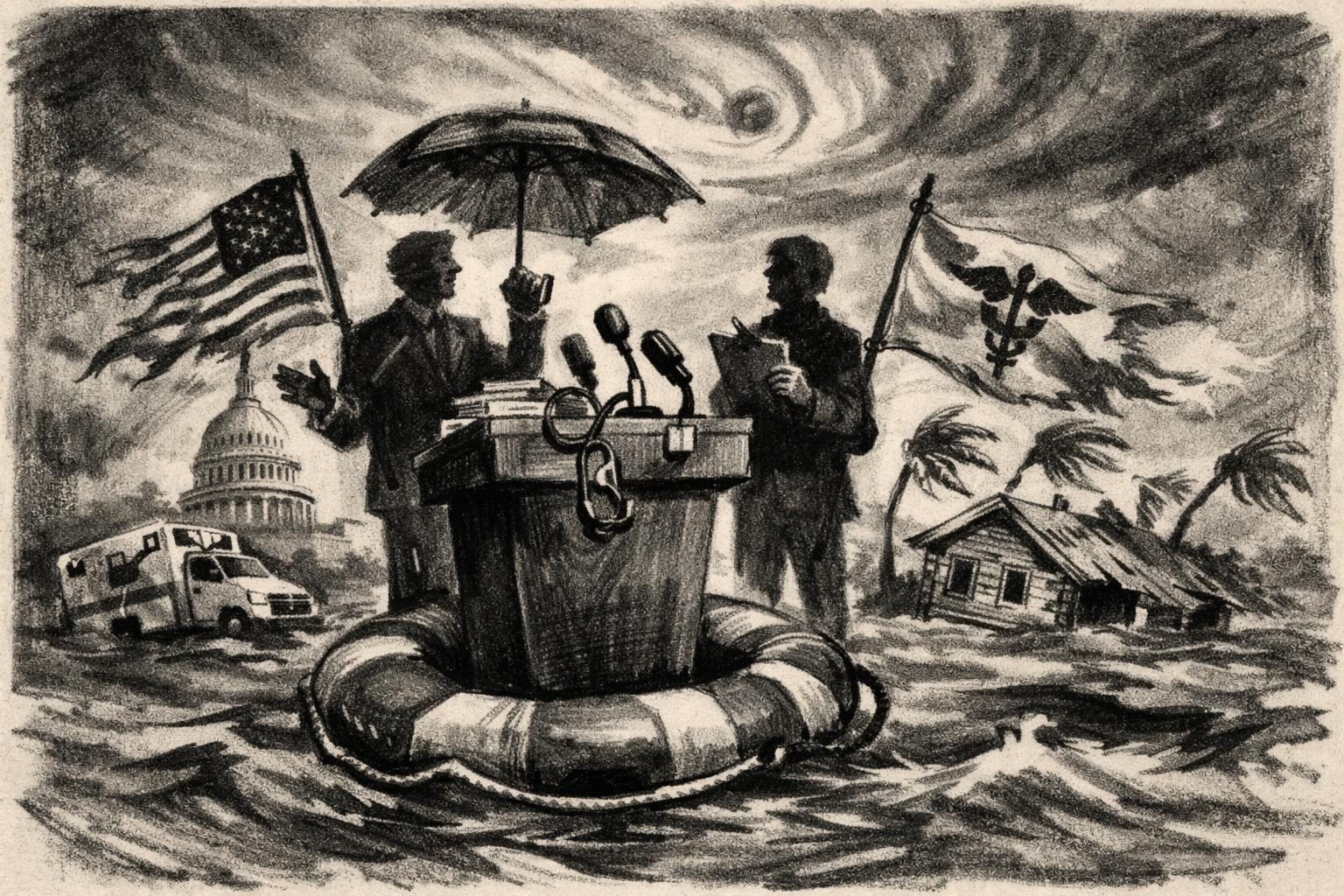
The Department of Health and Human Services said Wednesday that it has determined public health emergencies exist in Florida and Alabama in the aftermath of Hurricane Isaias, a step that layers federal health authority on top of the emergency declarations already issued by the president for both states. The designation is not simply ceremonial. It gives HHS a legal basis to authorize temporary waivers and other administrative changes intended to keep hospitals, clinics, physicians, pharmacies, home health providers, and suppliers functioning while normal operations are still disrupted. In practice, that can mean more flexibility for care delivery, billing, staffing, and access to services for people covered by Medicare, Medicaid, and the Children’s Health Insurance Program. The agency’s action signals that federal officials are still treating the storm as an active health-system problem, not just a past weather event.
The timing matters because these emergency tools are designed to be used quickly when flooding, infrastructure damage, power outages, evacuations, or transportation failures interfere with routine care. Health care systems in storm-struck areas often face a chain reaction: patients miss appointments, facilities lose power or water, suppliers struggle to move equipment and medications, and people with chronic conditions are left trying to navigate disrupted services while local responders focus on immediate recovery. HHS did not spell out every waiver or adjustment in the announcement, but the public-health-emergency finding opens the door to a broad set of temporary modifications that can be applied where they are needed. That flexibility is especially important in programs like Medicare and Medicaid, where rules normally govern where services may be delivered, how claims are processed, and how providers document care. When the underlying infrastructure is damaged, federal relief is often less about expanding the health system than about preventing it from seizing up altogether.
The announcement also underscores how the federal response to hurricanes is typically split across several authorities that work in tandem rather than in isolation. A presidential emergency declaration can unlock one set of powers, while an HHS public health emergency can activate another, more health-specific layer of relief. Together, those tools can support continuity of care for beneficiaries and relieve some of the administrative pressure on providers trying to serve displaced patients or operate from temporary locations. In a storm recovery phase, that distinction matters because health care is one of the first sectors to show strain and one of the last to return fully to normal. Even a short interruption can create problems for dialysis patients, people needing oxygen, older adults relying on routine medication refills, and families using pediatric coverage through CHIP. Federal flexibility does not rebuild a flooded clinic or restore a downed transmission line, but it can help providers keep seeing patients while communities recover.
The HHS determination is also a reminder that the effects of a hurricane do not end when the wind subsides or the immediate news cycle moves on. Public health emergencies can remain in place as long as the federal government believes the conditions justify them, and they can be used to support a range of temporary measures as recovery proceeds. For Florida and Alabama, that means health officials will now have added federal authority to address continuing disruptions in access to care and medical services tied to the storm’s damage. The announcement leaves open the possibility that more guidance could follow if conditions warrant additional adjustments. For now, the message from Washington is straightforward: the federal government sees enough continuing disruption after Hurricane Isaias to warrant an active health-response posture, and it is using the emergency authorities available to keep care flowing in two states still working through the storm’s aftermath.
Comments
Threaded replies, voting, and reports are live. New users still go through screening on their first approved comments.
Log in to comment
No comments yet. Be the first reasonably on-topic person here.