
Another immigration rule lands in the Federal Register, because apparently there is always another one
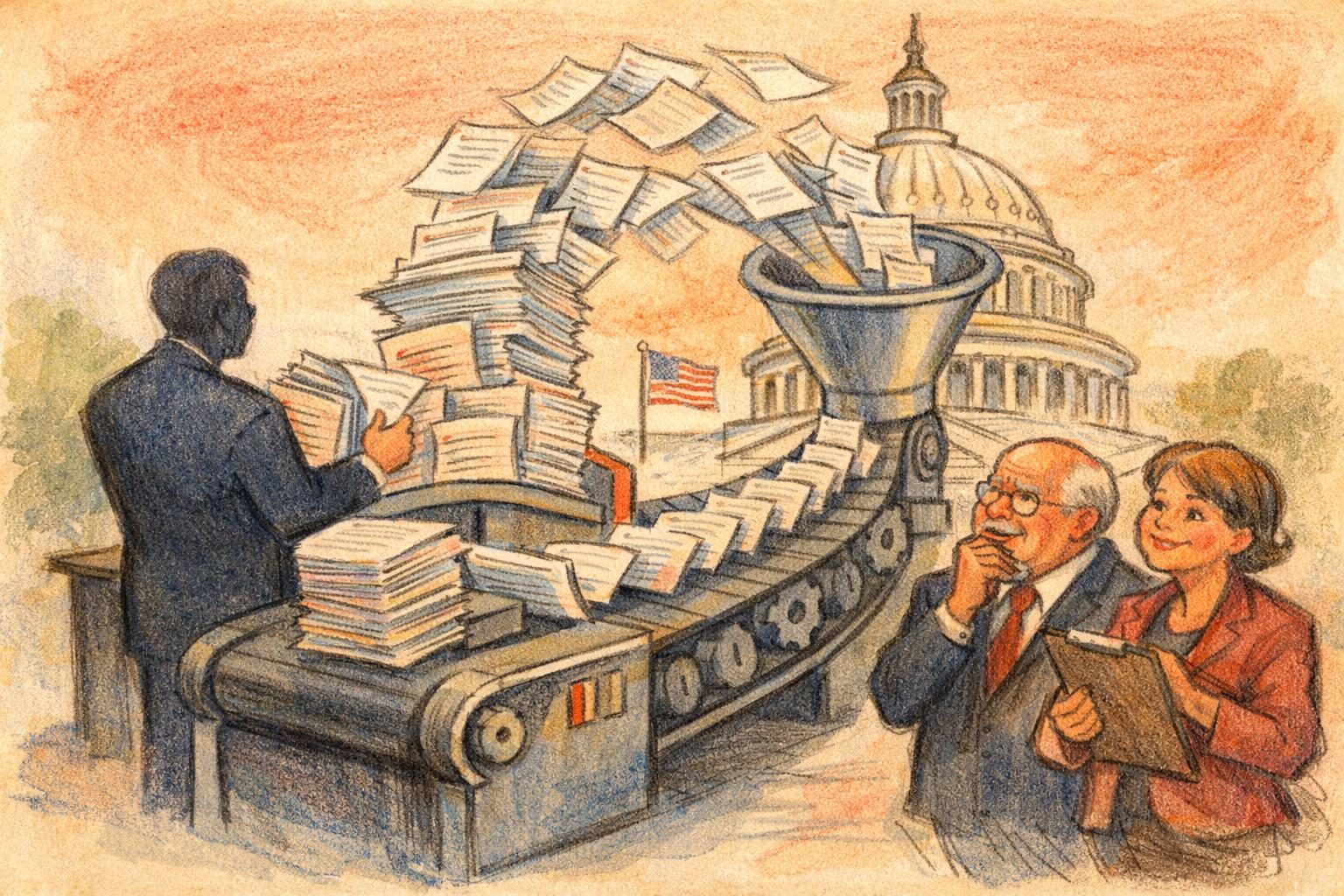
The October 14 Federal Register added yet another immigration-related final rule to the pile, this one aimed at benefits and review procedures and buried, as these things often are, in the language of administrative cleanup and technical correction. On paper, that kind of rulemaking sounds modest. In practice, it can be where the government quietly redraws the lines around who gets relief, how quickly they have to act, and how much discretion agencies can use when deciding whether a case moves forward or gets shut down. The administration is presenting the change as a matter of modernization and efficiency, which is a familiar phrase in Washington whenever a rule is trying to do something more consequential than its title suggests. What stands out here is not just the substance of the rule itself, but the larger method: immigration policy continues to be shaped by regulation, procedure, and internal agency design rather than by anything like a durable legislative bargain. That may be legally possible, and politically convenient, but it also means the system keeps changing in ways that are hard for ordinary people, advocates, and even some agency workers to track in real time.
The document itself is the sort of dense, technical filing that rewards patient reading and punishes everyone else. It is written in the soothing, deadened dialect of bureaucracy, full of references to review standards, eligibility determinations, and procedural requirements that sound harmless until you remember that these are the mechanisms through which lives are sorted. The broad direction is not mysterious. The rule appears to move toward a stricter administration of benefits and a tighter review process, with less room for delay and more authority lodged in the hands of the government. That can be sold as serious enforcement, and supporters will no doubt describe it that way. They will say the federal government has a duty to prevent abuse, reduce backlogs, and make sure claims are handled consistently. But the same changes can also be read as another step in a pattern that has become hard to miss: narrower pathways, shorter windows, and more opportunities for a case to go wrong because of a missing document, an unclear record, or a judgment call made behind a desk. The rule is not flashy, and it does not need to be. These are the kinds of changes that do their work quietly, one procedural notch at a time.
That is why this matters beyond the narrow audience of lawyers, agency officials, and policy obsessives who read Federal Register notices for sport or survival. Immigration policy is increasingly being made through a series of technical adjustments that, taken one by one, can sound almost reasonable. A timeline gets shortened. A review standard gets sharpened. An eligibility rule gets tightened. A filing procedure gets reorganized. Then the effects begin to stack up. Cases that would have lingered now move faster, sometimes too fast. People who could once rely on a longer process suddenly have less room to gather proof, correct errors, or recover from a bureaucratic miss. Families waiting on a decision may discover that the government’s appetite for speed is not matched by a corresponding tolerance for confusion or exceptions. Supporters of this approach will say the country cannot afford endless delay and that a serious administration has to enforce the rules as written. Critics will answer that when the rules are rewritten so often, and so aggressively, the real policy is not clarity but instability. They will argue that the government is leaning on regulation because legislation is harder, and because regulations can be issued, defended, revised, and enforced with far less public friction than a statute passed through Congress.
There is also the more basic political point: this is what governing by rule churn looks like. It is not one dramatic announcement but a steady drip of procedural pressure, the kind that barely registers outside the small universe of people directly affected until the consequences are already spread across the system. A single final rule can become dozens of delayed cases, a new round of compliance headaches, and another set of legal challenges that consume agency time and courtroom bandwidth. It can also deepen the sense that immigration policy is being made to feel less like law than weather, something that arrives from the top, shifts without warning, and leaves everyone else scrambling to adapt. The administration will likely continue to frame such moves as necessary housekeeping, a way to improve administration and tighten enforcement without waiting for Congress to act. But that explanation only goes so far. The deeper story is that regulation has become the main battlefield for immigration policy, and the people most exposed to the consequences are usually the ones with the least margin for error. That is the grim arithmetic behind this latest Federal Register entry: not a headline-grabbing overhaul, but another turn of the screws in a system already groaning under the weight of constant revision.
Comments
Threaded replies, voting, and reports are live. New users still go through screening on their first approved comments.
Log in to comment
No comments yet. Be the first reasonably on-topic person here.