
CMS Brags About Purging Obamacare Subsidies for Duplicate and Deceased Enrollees
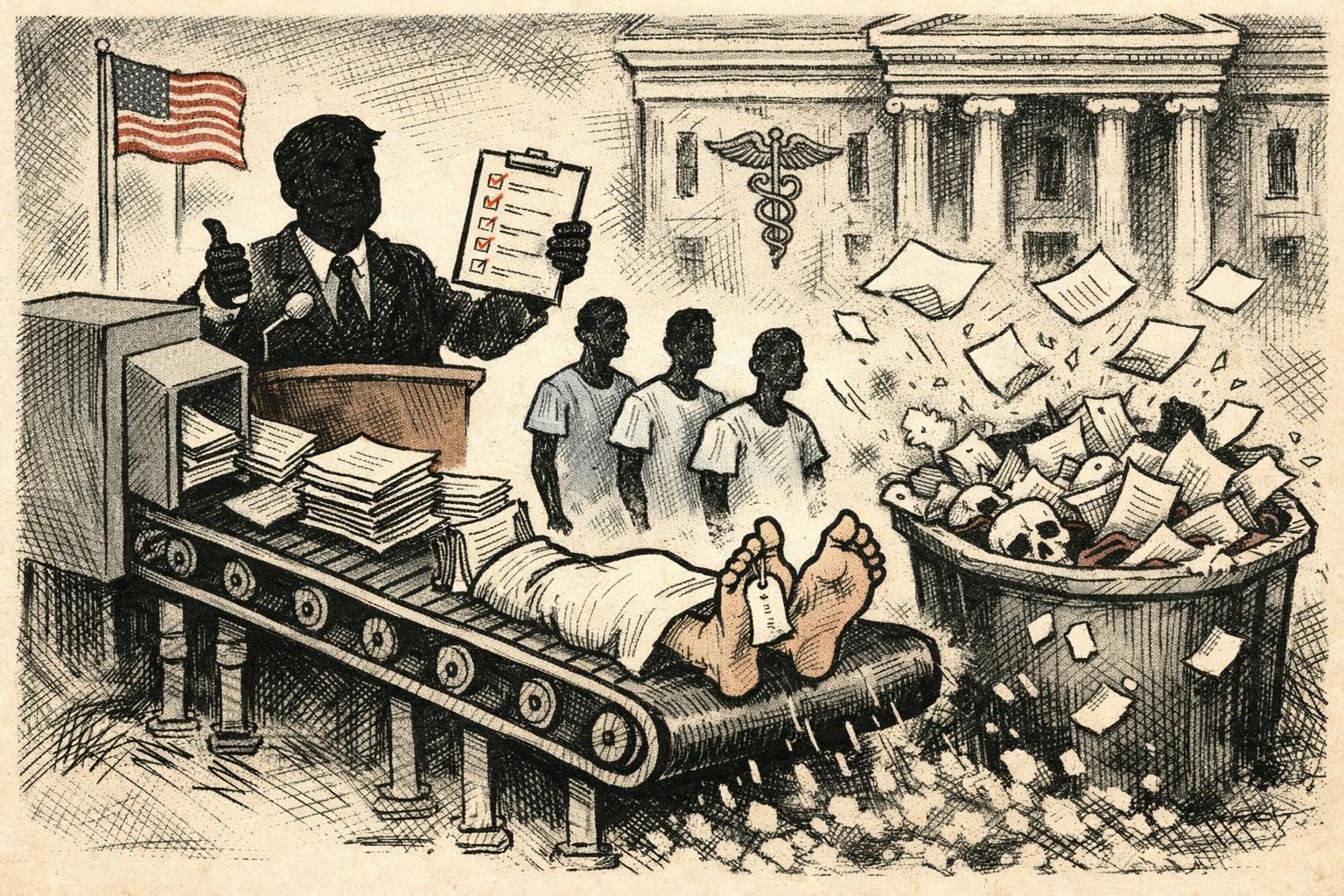
The Centers for Medicare & Medicaid Services said on Oct. 14 that it had cut off Obamacare subsidy support for 189,000 people it identified as being enrolled twice or as dead, and it put the projected savings at roughly $1.5 billion over the next year. On its face, the move is the sort of housekeeping that no one in Washington can reasonably defend against. Taxpayer money should not be flowing to duplicate records or to beneficiaries who are no longer alive. But the administration’s decision to frame the cleanup as a major fraud victory also highlights how badly some of the health law’s eligibility machinery has been limping along. When a government announcement has to celebrate the removal of dead people from a live benefits file, the real story is not only the savings, but the systems that allowed the errors to pile up in the first place.
The practical meaning of the purge is more complicated than the victory lap around it. Federal health subsidies are supposed to help eligible enrollees pay for coverage, not bankroll duplicate claims or continue after a beneficiary has died. So if CMS found and removed those records, that is a legitimate correction and, in principle, a needed one. Still, the size of the cleanup raises obvious questions about the underlying integrity of the enrollment process. A program that is supposed to rely on accurate identity, income, and coverage checks cannot afford to discover years of bad records only after a political push to tighten oversight. Even if the agency is right on every dollar it says it saved, the episode suggests that the front-end controls were not doing enough to catch obvious mismatches earlier.
That is where the politics of the announcement start to matter. The administration is presenting the action as proof that it is serious about rooting out waste, and in a narrow sense it has reason to say that a real leak was patched. Yet the same facts that support the brag also undercut it. If a subsidy system can keep paying out for people who are already covered elsewhere or who have already died, then the problem is not just fraud by beneficiaries. It is also administrative sloppiness, weak data matching, or both. That distinction matters because a fraud crackdown can mean very different things depending on whether the government is fixing a broken verification process or simply touting a round of deletions after the fact. Health policy critics are likely to argue that cleanup efforts deserve credit only if they are precise, transparent, and paired with safeguards that prevent eligible people from being wrongly swept up. Otherwise, a campaign against improper payments can easily become a campaign that makes life more confusing for the people the program is supposed to help.
That risk is why the announcement lands as more than a routine cost-saving claim. It is also an inadvertent admission that federal benefit administration remains messy enough to generate obvious losses for taxpayers and potential headaches for enrollees at the same time. The government wants this to read as evidence that vigilance is working, and there is some truth in that. But the better question is how long these errors were left to persist, and whether the agencies responsible had the tools and discipline needed to find them sooner. The answer to that question is not clear from the announcement itself. What is clear is that the cleanup gives critics a fresh example of how easy it is for Washington to turn management failures into messaging opportunities. The administration can legitimately say it has removed improper subsidy payments. It cannot as easily claim that the underlying system was functioning well enough to deserve a victory parade. In the end, the episode is a reminder that a fraud fight only looks impressive when the government can also show it knows how to administer the program cleanly in the first place.
Comments
Threaded replies, voting, and reports are live. New users still go through screening on their first approved comments.
Log in to comment
No comments yet. Be the first reasonably on-topic person here.