
OCC says the biggest banks played politics with accounts
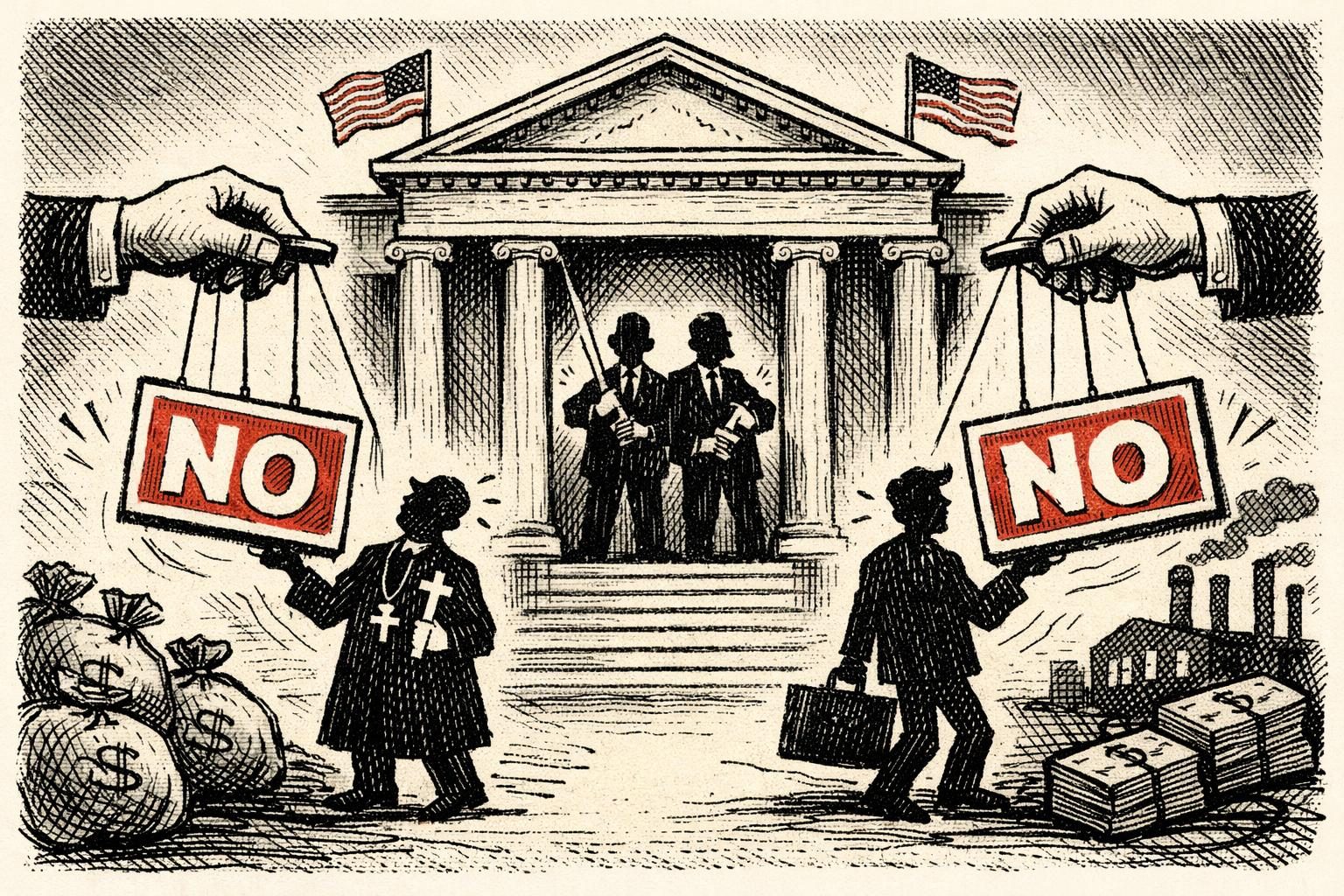
The Office of the Comptroller of the Currency said on October 14 that its supervisory review found evidence suggesting all nine of the largest national banks had policies that may have denied or restricted access to financial services because of political views, religious beliefs, or lawful business activity. The agency did not frame the findings as a courtroom verdict, and it did not claim to have proven every individual denial was improper. But the language is still unusually sharp for a banking regulator, and it lands in the middle of a broader federal effort to crack down on what officials describe as debanking. In practical terms, the OCC is saying the country’s most important banks may have used risk management not just to screen for fraud or financial danger, but to decide who was acceptable to serve. That is a serious allegation because banking access is not some optional luxury; it is the infrastructure people and businesses need to pay employees, receive deposits, move money, and stay open.
What makes the report especially combustible is that it turns a compliance question into a political one without fully separating the two. Banks have long defended account closures, loan denials, and service limits by pointing to internal risk controls, reputational concerns, anti-money-laundering rules, and other prudential factors. Regulators generally allow institutions wide discretion to manage those risks, but that discretion has limits, and those limits are exactly what the OCC is now poking at. If a bank’s internal policy or decision-making process had the effect of denying service because a customer was politically unpopular, religiously disfavored, or engaged in a legal line of work the bank disliked, that would be a very different matter from a routine risk call. The report appears to suggest the line may have been crossed often enough, and broadly enough, that the issue cannot be brushed off as a handful of isolated mistakes. That alone gives the administration a powerful talking point and gives bank executives a fresh reason to brace for scrutiny.
The release also adds fuel to an already volatile debate over whether major financial institutions are applying neutral standards or selectively closing the door on disfavored customers. Supporters of the administration’s approach are likely to argue that the report validates long-standing complaints from conservatives and certain business owners who say they were quietly pushed out of the banking system for reasons that had little to do with actual credit or compliance risk. Critics, meanwhile, are likely to warn that the government is turning bank supervision into a political theater machine, using a civil-rights style framework to attack institutions it already views with suspicion. Both reactions are predictable, and both reflect the fact that the stakes go beyond individual account holders. If banks are seen as political gatekeepers, confidence in the neutrality of the financial system erodes fast. If regulators are seen as politicizing routine supervision, banks may also become more cautious in ways that make them even less willing to serve customers whose businesses or beliefs carry any hint of controversy. The result is a system that gets less transparent and more defensive at the same time.
For the banks, the immediate fallout is likely to be less about one headline than about the long tail of oversight that follows it. A report like this invites internal document reviews, policy rewrites, board-level questions, and deeper examination of how account decisions are documented and justified. Even if the OCC has not attached fresh penalties to this release, the reputational cost is hard to miss, especially because the agency’s wording makes clear it is not talking about one or two outliers. By saying all nine of the largest national banks may have had policies that limited access for impermissible reasons, the regulator is signaling a systemic problem rather than a one-off lapse. That matters because systemic criticism tends to stick, and once that label is attached it can influence everything from customer behavior to congressional hearings to future enforcement actions. The bigger message is blunt: banks should expect their screening practices, internal emails, and risk models to be treated not just as business tools, but as evidence of political judgment. That is a far more dangerous place for them to be, and it suggests the debanking fight is just getting started rather than winding down.
Comments
Threaded replies, voting, and reports are live. New users still go through screening on their first approved comments.
Log in to comment
No comments yet. Be the first reasonably on-topic person here.