
Supreme Court stays Fourth Circuit order in FCC lowest-unit-charge dispute
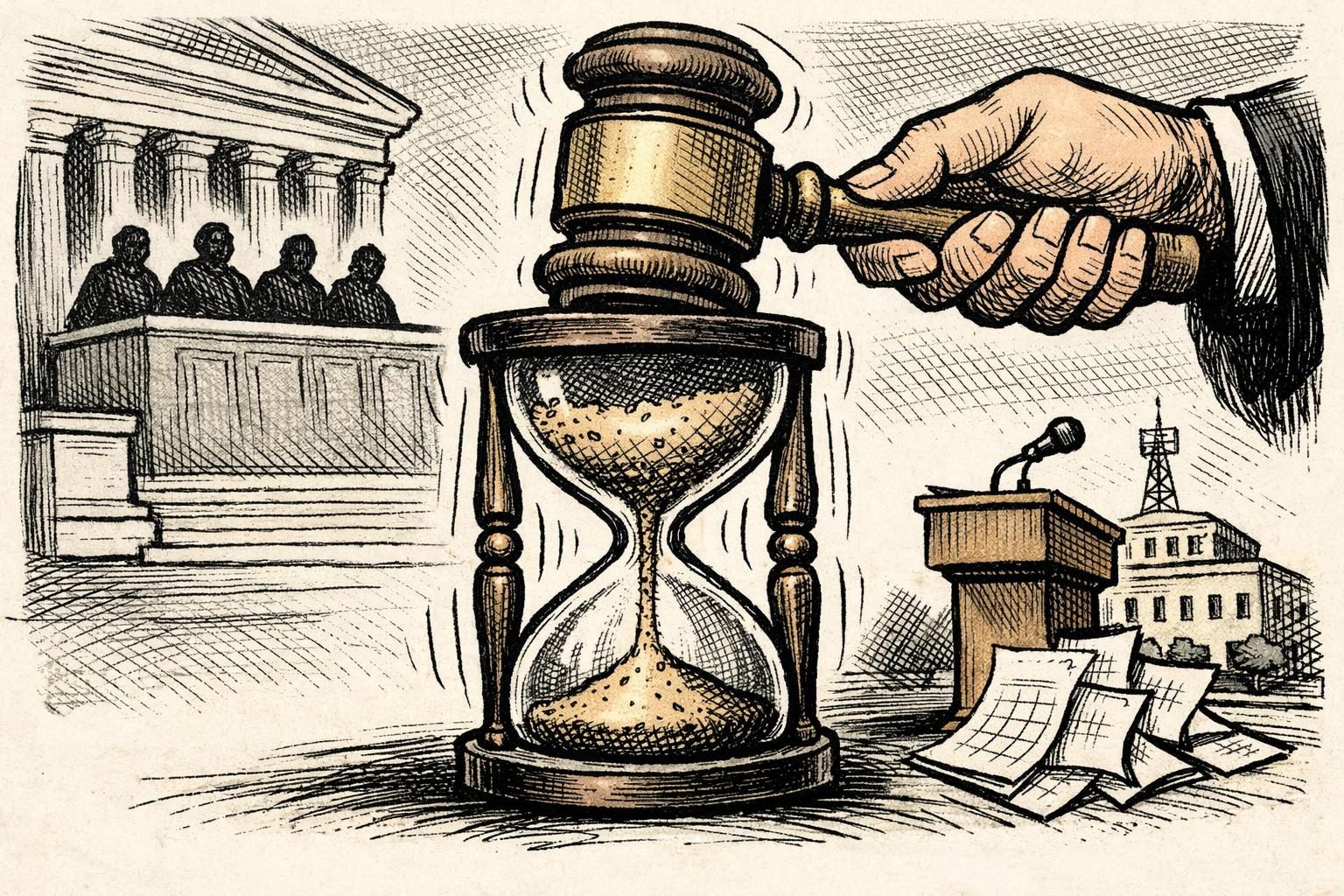
The Supreme Court on Oct. 14 put on hold a Fourth Circuit order that had required the Federal Communications Commission to issue a final decision within 48 hours in a dispute over lowest-unit-charge guidance. The case, FCC v. Brown, centers on whether political candidates and related groups are entitled to the lowest rates broadcasters must charge for campaign ads in the weeks before an election. The FCC had issued a public notice saying several categories of political actors could qualify. A group of congressional candidates challenged that notice and asked the full commission to set it aside, then took the issue to the Fourth Circuit while the administrative review was still pending.
The Fourth Circuit sided with the challengers and ordered the FCC to act quickly. The Supreme Court said that was too much, too fast. In a per curiam opinion, the justices said mandamus is a “drastic and extraordinary” remedy, reserved for unusual cases. They said the Communications Act requires the commission to act on applications for review, but does not require it to do so on a particular timetable. The opinion also said the FCC has discretion over its own procedures and schedule while its deliberations are ongoing.
The result is a stay that keeps the Fourth Circuit’s deadline from taking effect while the broader dispute works its way through the courts. The Court’s reasoning was narrow and procedural: the lower court could not force the agency to finish its review in two days, especially while the commission’s deliberative process was still underway. Justice Sotomayor and Justice Jackson said they would deny the applications.
Comments
Threaded replies, voting, and reports are live. New users still go through screening on their first approved comments.
Log in to comment
No comments yet. Be the first reasonably on-topic person here.