
Cook’s lawyers say the White House’s firing hearing is biased, and the process looks exactly as ugly as it sounds
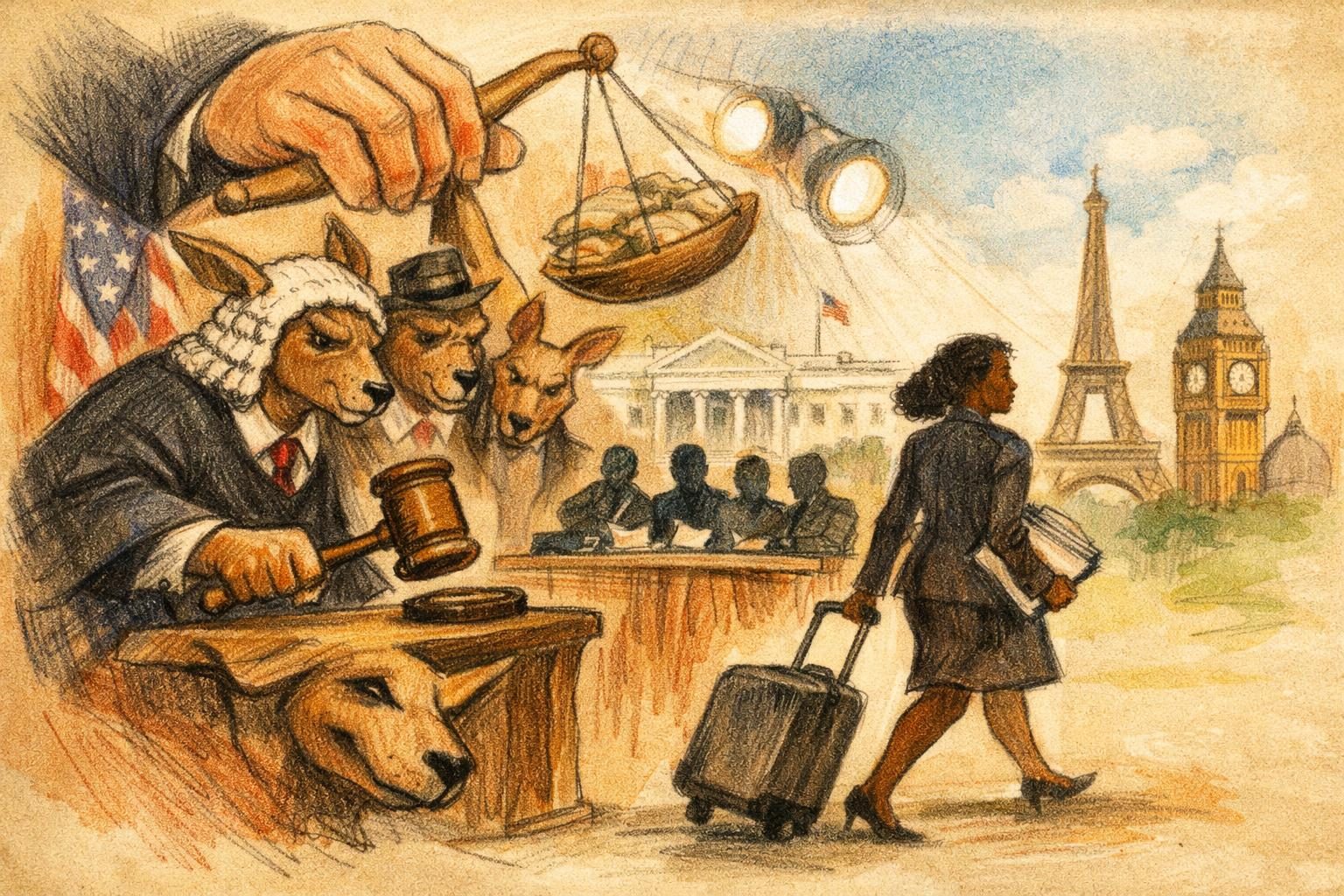
Federal Reserve governor Lisa Cook’s lawyers are pressing back against the White House with an argument that is as much about procedure as it is about politics: the panel assembled to examine her conduct is biased, and the hearing it scheduled cannot fairly proceed on the timeline the administration has chosen. In a letter sent Tuesday, Cook’s counsel said the Nov. 5 hearing date conflicts with her official obligations in Europe, where she is expected to participate in financial and monetary policy meetings. Her lawyers said the earliest practical time for her to appear would not come until after the Federal Reserve’s December policy meeting, a detail that immediately complicates the White House’s attempt to move quickly. The message from her side is plain enough. If the administration wants to remove a sitting central banker, it will have to do more than announce a date and hope the process holds up on its own. That is not a minor legal objection. It is a challenge to the legitimacy of the machinery now being used against her.
The dispute is unfolding against a backdrop that makes every step feel loaded. The Federal Reserve is supposed to operate at some remove from day-to-day political pressure, and that principle is being tested by a case that has already turned into a broader fight over how much leverage a president can exert over monetary policy through personnel decisions. If Cook’s lawyers are correct that the panel is biased, then the administration’s case is not just weakened on the merits; it becomes vulnerable on the question of fairness before the merits are even addressed. That is why the timing issue matters so much. A hearing scheduled while Cook is overseas on official business can be framed by her allies as evidence that the process was designed to move forward without her rather than to hear her. The White House may insist there is nothing improper about the schedule, but the optics are difficult to ignore. A committee convened to investigate a Fed governor already starts from a place of suspicion in the eyes of many observers, and accusations of bias only deepen that problem.
The administration’s broader effort to push Cook out of the central bank has now become entangled in its own procedural choices. What may have been intended as a firm assertion of authority is instead looking like a test of whether the White House can impose its will without inviting a fight over basic fairness. That matters because the Federal Reserve’s credibility rests not only on its formal independence, but on the public’s belief that its decisions are insulated from partisan bargaining. When the same political branch that benefits from lower interest rates is also the one pressing an action against a Fed governor, every procedural wrinkle becomes politically charged. Cook’s attorneys appear to understand that dynamic and are using it to their advantage. By focusing on the structure of the hearing, the timeline, and the apparent bias of the panel, they are shifting the debate away from the allegation itself and toward whether the process can be trusted at all. That is often where these fights are won or lost. If the procedure looks tainted, the accusation starts to matter less than the method used to pursue it.
There is also the practical reality that the calendar now sits at the center of the dispute, which is usually not a sign of confidence in the process. A clean and credible inquiry generally does not need to overlap with overseas duties or force a target to choose between official responsibilities and defending against an internal proceeding. Here, the schedule itself has become part of the controversy, and that suggests the White House is prepared to move on an aggressive timeline even if the target says that timeline is incompatible with her job. The result is a fight that extends beyond Cook as an individual and into the larger question of whether an alleged ethics or conduct inquiry can be turned into a political instrument without undermining the institution it is supposed to protect. Markets tend to dislike that kind of uncertainty, and so do central bankers who rely on the perception of independence to do their work. Even people with no direct stake in the Fed can see the danger: once the process looks personal, it becomes harder to separate oversight from pressure. That is where this episode now sits. It is not just a dispute over one hearing date or one governor’s schedule. It is a test of whether the White House can pursue removal or discipline in a way that looks orderly, fair, and defensible, or whether the entire effort will keep reading as a heavy-handed attempt to turn monetary policy into another political battlefield.
Comments
Threaded replies, voting, and reports are live. New users still go through screening on their first approved comments.
Log in to comment
No comments yet. Be the first reasonably on-topic person here.