
Judge keeps White House from kicking banned reporters out for good
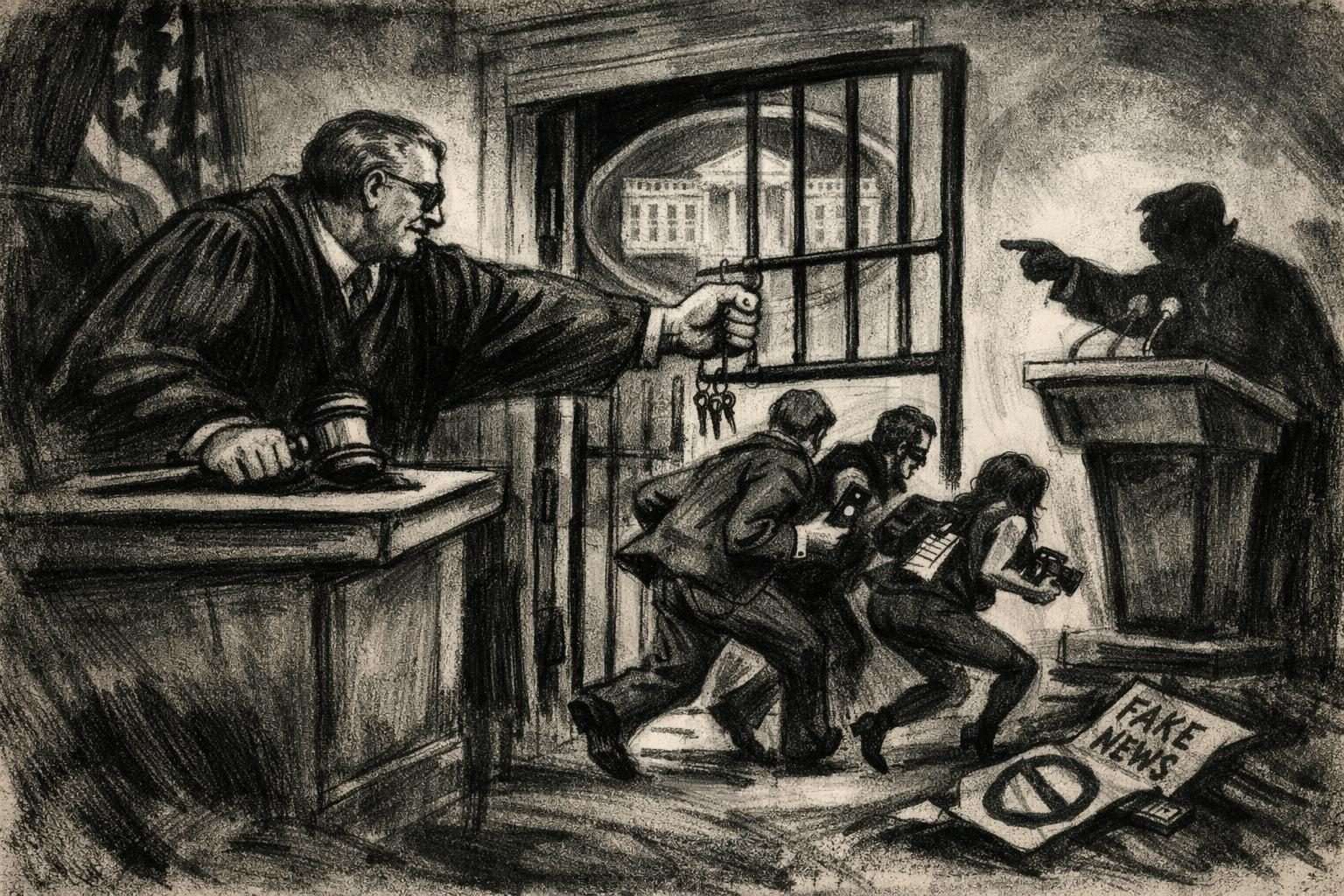
A federal judge on Oct. 14 extended an order preventing the White House from cutting off access for reporters from three news organizations while their challenge to the administration’s actions continues. The practical effect is simple: for now, the journalists keep their White House credentials, and the government cannot turn that access into a punishment mechanism while the court weighs whether the revocations were lawful. The decision adds another layer to an already ugly fight over who gets to cover the presidency and on what terms. It also makes clear that the administration’s attempt to treat press access like a privilege it can hand out or take away based on irritation is not something the court is willing to accept without scrutiny. For a White House that has repeatedly leaned on hostility toward unfavorable coverage as part of its political style, that is more than a procedural setback. It is a reminder that constitutional limits still apply even when the target is an inconvenient question, a critical headline, or a journalist the president would rather not see in the room.
The dispute centers on whether the administration unlawfully revoked credentials tied to coverage it disliked, in this case affecting reporters from CNN, MS NOW, and Politico. According to the court’s reasoning, the reporters and their employers have raised a serious First Amendment claim, and the administration is likely on shaky constitutional ground. That matters because White House access is not just a perk for the people holding the passes. It is part of the machinery of democratic accountability, giving the press the ability to witness events, ask questions, and report on the conduct of the executive branch from inside the building where decisions are made. If that access can be withheld because officials dislike the tone, framing, or presumed politics of a newsroom, the distinction between press management and viewpoint discrimination gets dangerously thin. The administration has tried to present the fight as a routine matter of access control, but the judge’s order suggests the issue is closer to government retaliation than office housekeeping. The legal system does not usually treat “we do not like your coverage” as a sufficient basis for stripping press credentials, and that point appears to be doing a lot of the work in the case.
Press freedom advocates have described the episode in exactly those terms: a classic case of viewpoint discrimination dressed up as administrative discretion. The record cited by the court seems to support that concern, though the case is still moving and the merits have not been finally resolved. That distinction matters, because the current ruling does not end the lawsuit or rule out every argument the government might still make. What it does is preserve the status quo long enough for the court to examine whether the White House crossed a constitutional line when it targeted specific reporters and, by extension, the outlets they work for. That should be embarrassing for the administration on its own. It is even more embarrassing because the White House appears to have treated the normal protections attached to press access as if they were optional, or as if the president’s displeasure could substitute for a legal theory. When the government starts treating political irritation as a basis for selective exclusion, it does not need much imagination for people to see the censorship problem. The judge’s decision also undercuts the idea that the administration can simply declare the dispute a matter of privilege and expect that label to erase the constitutional concerns underneath it.
The immediate outcome is straightforward: the reporters remain credentialed while the lawsuit continues, and the White House must keep defending the steps it took instead of locking the matter away by administrative fiat. The longer-term stakes are more serious, because the case has become a test of whether a president can punish outlets he dislikes by cutting them off from the place where federal power is most visible and consequential. If the administration loses, it will reinforce the principle that access to the presidency cannot be conditioned on obedience or praise. If it wins at any stage, the precedent could encourage future efforts to narrow access in ways that are difficult to justify as anything other than retaliation. Either way, the fight is now a live example of how fragile press freedom can become when power is used to police criticism instead of answer it. The White House may still believe it can win by framing this as a mundane credentialing issue, but the court has already signaled that the constitutional questions are too serious to wave away. For now, the reporters are back in place, and the administration is left with the far less flattering task of explaining why it thought the First Amendment would bend to a grudge.
Comments
Threaded replies, voting, and reports are live. New users still go through screening on their first approved comments.
Log in to comment
No comments yet. Be the first reasonably on-topic person here.