
BBC asks court to make Trump sit for deposition in defamation fight
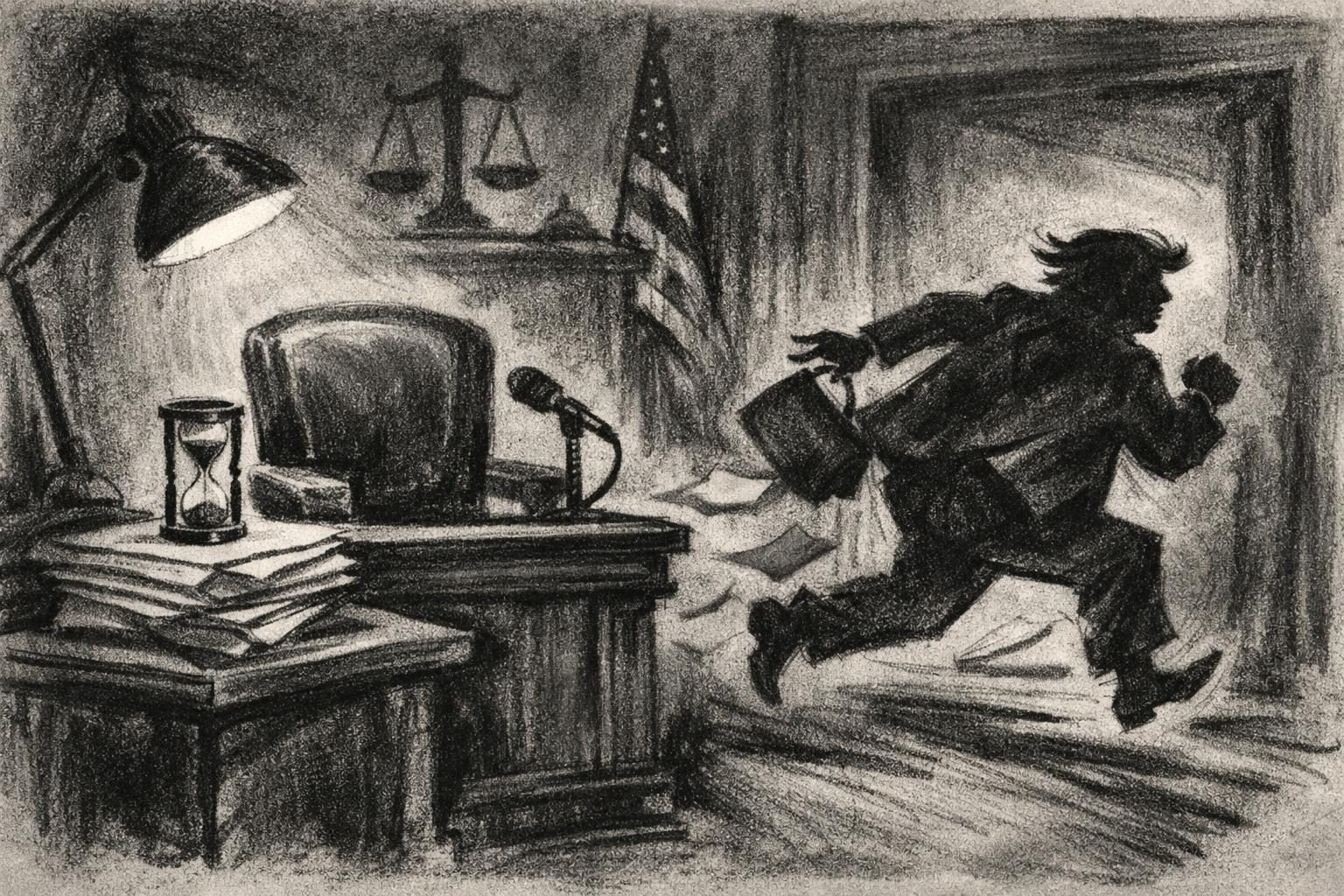
The BBC is asking a Florida court to force President Trump to sit for a deposition after he backed out of a date that had already been set in the defamation case he filed against the broadcaster. The dispute adds a new layer of awkwardness to a lawsuit that Trump himself brought last December, when he sought $10 billion in damages over a documentary he says misrepresented him and treated him unfairly. According to the broadcaster’s filing, the president canceled the scheduled session and pointed to matters of national importance as the reason he could not proceed. The request now puts the burden back on the plaintiff, who is ordinarily the one pushing for answers, not resisting them. It also gives a judge a chance to decide whether a sitting president can simply move a sworn interview out of the way because the calendar got inconvenient.
What makes the motion notable is not just the procedural fight, but the optics of it. Depositions are the part of a civil case where the arguments stop being slogans and start becoming questions under oath, which is exactly why they matter so much in high-stakes litigation. They are also the stage at which aggressive plaintiffs often discover the limits of their own confidence. Trump has spent years turning legal conflict into a form of political performance, portraying himself as a fighter while often resisting the ordinary demands that come with being a litigant. In this case, though, he is the one seeking a massive damages award, and that means he is also the one expected to submit to the fact-finding process that usually follows. The broadcaster’s motion suggests it believes the cancellation was not a serious scheduling conflict but a delay tactic. If the court agrees, Trump could be ordered to answer questions in a setting that offers far less control than the podiums and rallies he prefers.
The case also underscores a familiar tension in Trump’s legal posture: he is quick to demand dramatic remedies, but far less eager to accept the burdens that come with pursuing them. A $10 billion defamation suit is not a symbolic gesture or a passing complaint. It is an aggressive legal claim that asks a court to sort through the accuracy, meaning, and impact of a broadcast he says damaged him. That process typically requires testimony, document review, and sworn questioning of the parties involved. If Trump is asking a judge to award that much money, the court may well expect him to participate in the machinery that helps determine whether the claim has merit. The BBC’s request puts that contradiction on display in a way that is difficult to spin away. It is one thing to accuse a broadcaster of unfairness; it is another to tell a court that answering a few questions should wait because the president has more important things to do.
The broader consequence is that the lawsuit may now become as much about courtroom discipline as about the documentary itself. Judges tend to have little patience for litigants who want the benefits of litigation without the obligations. That is especially true when the litigant is a public figure whose own conduct invites closer scrutiny. If the court compels the deposition, the immediate effect would be another embarrassment for Trump and a reminder that even high office does not necessarily exempt him from the ordinary rules of civil procedure. If it does not, the broadcaster may still have succeeded in framing the cancellation as part of a larger pattern of evasiveness. Either way, the dispute reinforces a simple truth about Trump’s media fights: he is often eager to escalate them, but less enthusiastic once the case reaches the part where facts have to be pinned down under oath. For a president who has built a political brand around confrontation, the irony is hard to miss. He wanted the lawsuit to be a weapon, and now the weapon is pointed back at the hand that fired it.
Comments
Threaded replies, voting, and reports are live. New users still go through screening on their first approved comments.
Log in to comment
No comments yet. Be the first reasonably on-topic person here.