
DOJ and HHS rewrite the playbook for health-care fraud self-disclosure
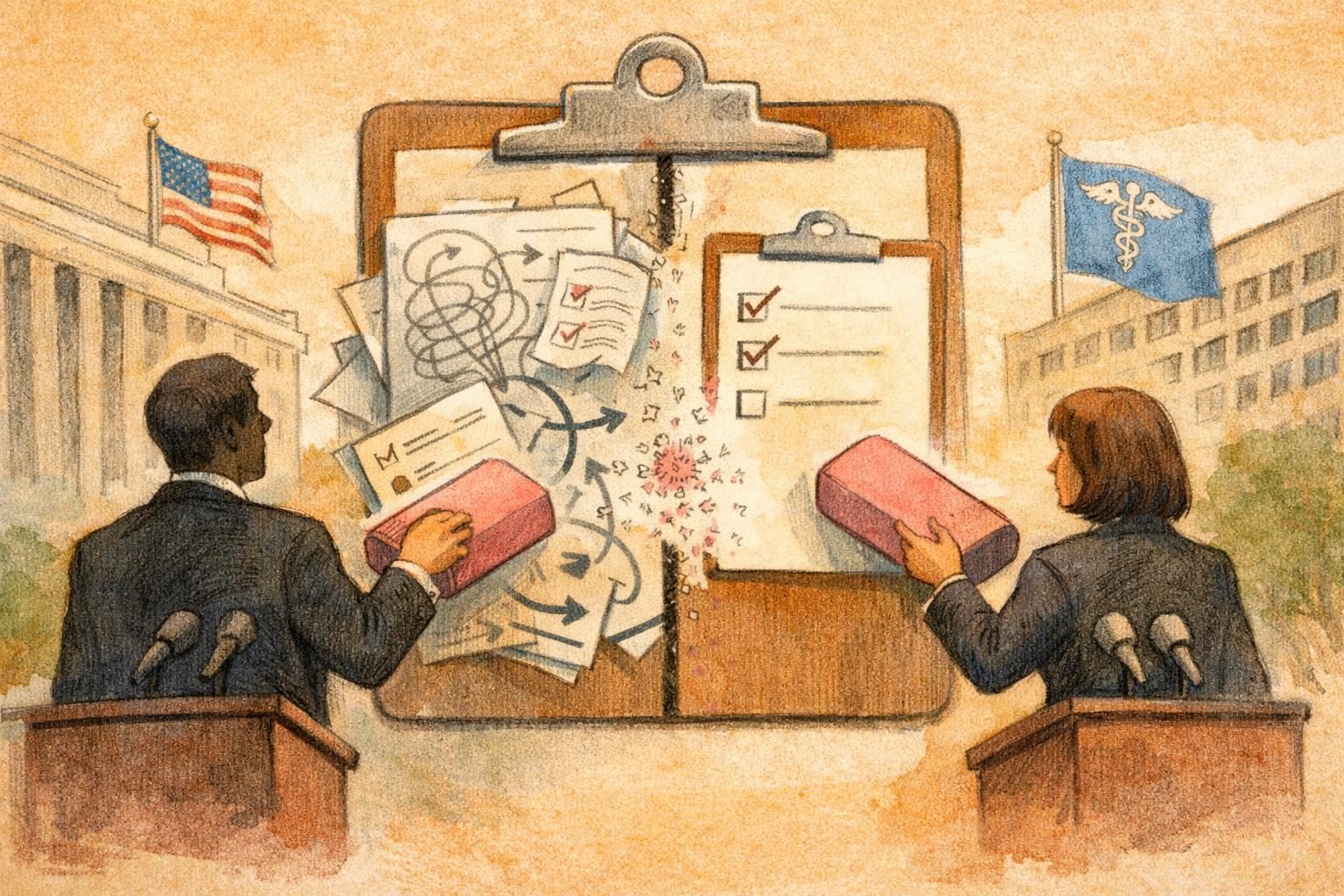
The Justice Department and the Department of Health and Human Services on October 15 unveiled a new self-disclosure protocol for criminal health-care fraud, a change that is less flashy than it sounds but potentially important for any company that has discovered it may have crossed a legal line. Under the new setup, a company that voluntarily discloses potential criminal conduct to DOJ’s Health Care Fraud Section can obtain the benefits of both DOJ’s corporate enforcement policy and HHS-OIG’s self-disclosure protocol through a single process. HHS-OIG has also revised its own protocol so that criminal health-care matters are routed back to DOJ, which means the agencies are trying to turn a previously split path into one coordinated track. That may not sound dramatic, but for lawyers, compliance officers, and corporate executives, the difference between two overlapping disclosure systems and one integrated process can be the difference between delay and action. The government is presenting the change as a matter of efficiency and clarity. It also reads like an acknowledgment that the old arrangement was clunky enough to discourage the very candor the agencies say they want.
The practical effect is to centralize how companies confess, cooperate, and try to limit damage when they uncover criminal health-care fraud. In a sector where billing mistakes, overpayments, kickback schemes, and compliance theater can blur into each other, the line between administrative problems and criminal exposure is often not obvious until a company is already deep into an internal investigation. A cleaner disclosure path may make it easier for companies to come forward early, especially when they are trying to show good faith and preserve some control over the outcome. But easier disclosure is not the same thing as leniency. If the process becomes more understandable and less duplicative, companies may decide they have fewer excuses for waiting, which could mean more self-reports and more matters landing on prosecutors’ desks. That could be good for fraud detection and recovery, but it also means more scrutiny for providers, suppliers, and other participants in the health-care system that have spent years relying on complicated compliance defenses. The government is betting that clarity will improve enforcement. Corporations may find that clarity also removes one of the more useful sources of friction between suspicion and disclosure.
The change also says something about how the administration wants to enforce white-collar crime in health care. Rather than relying only on broad promises to be tough, the agencies are building a more streamlined machine for surfacing misconduct and moving cases toward resolution. That kind of institutional design can matter as much as rhetoric, because an enforcement system that is faster, more legible, and better coordinated tends to generate more usable information. It can also increase pressure on companies to conduct internal reviews quickly, preserve documents, and decide whether to disclose before the government learns of the conduct through some other channel. From the government’s point of view, a single disclosure route may reduce confusion, prevent duplicate filings, and make it easier to coordinate remedies. From the corporate side, it may shorten the runway for delay and raise the cost of staying quiet while hoping a problem goes away. The result could be a more active fraud pipeline, with agencies seeing matters sooner and companies forced to make harder choices earlier. That is not necessarily a bad thing. But it does suggest the government expects a substantial volume of health-care fraud matters and wants a system that can process them without wasting time on procedural detours.
For compliance departments, auditors, and outside counsel, the immediate consequence is a cleaner decision tree. A company that identifies possible criminal health-care fraud now has a more straightforward question to answer: whether and when to self-disclose, and through which channel to do it. That may prompt a wave of internal reviews, especially at organizations that have already been uneasy about billing practices, referral relationships, coding issues, or other areas where a mistake can become a case. It may also push companies to revisit existing compliance programs and make sure employees understand that the government has tightened the route to disclosure rather than relaxed its standards. If the protocol works as intended, patients and taxpayers could benefit from earlier detection of schemes that drain public and private health dollars. If it does not, the new framework could simply become another formal process layered on top of an already heavy enforcement environment. Either way, the agencies have signaled that they want fewer excuses about where to file, who to call, or which policy governs. In a system already crowded with incentives to minimize bad news, that administrative simplicity may itself become an enforcement tool.
Comments
Threaded replies, voting, and reports are live. New users still go through screening on their first approved comments.
Log in to comment
No comments yet. Be the first reasonably on-topic person here.