
Justice Department sues St. Paul and Portland over mask and ID rules
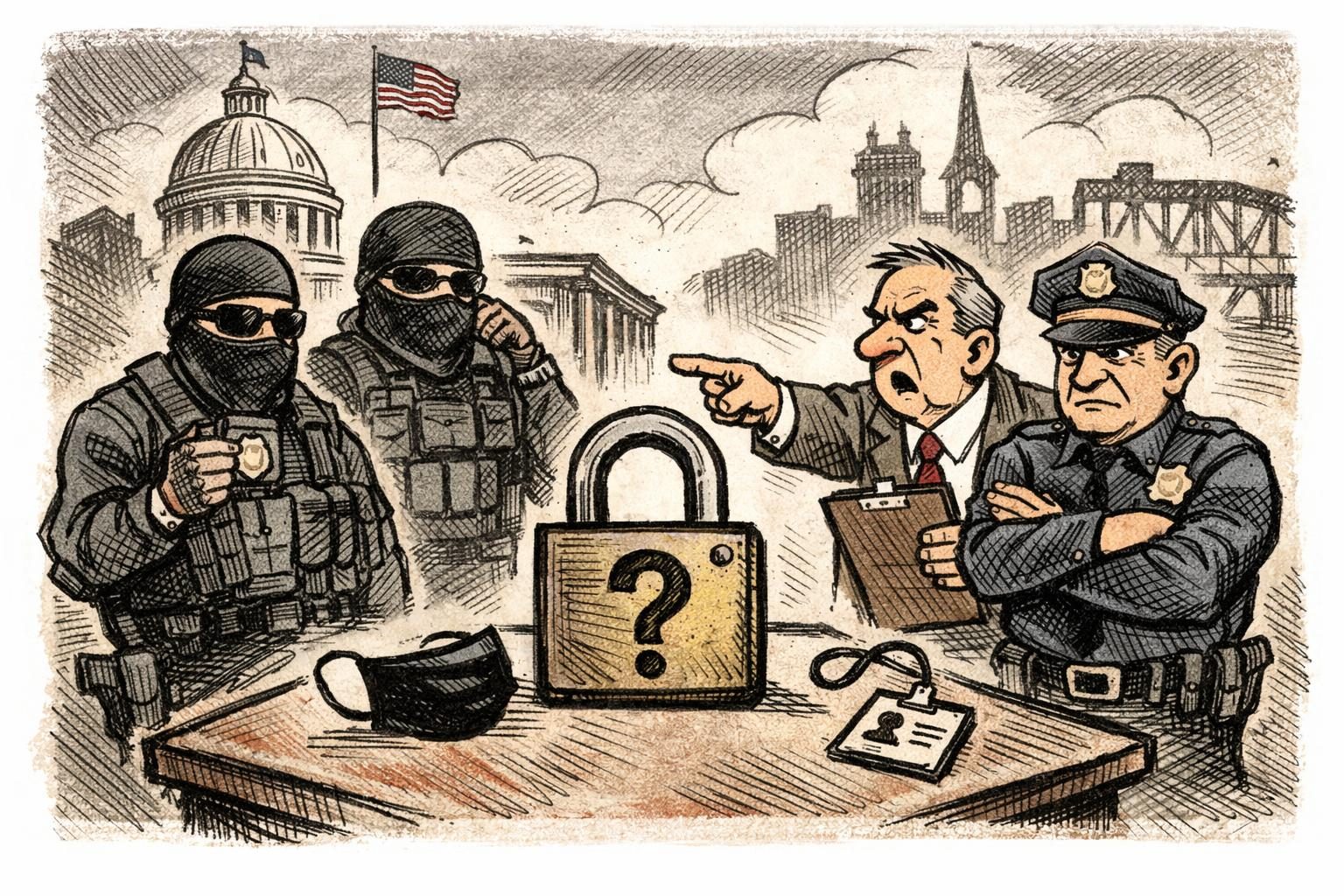
The Justice Department on Oct. 15 moved to sue St. Paul, Minnesota, and Portland, Oregon, in a pair of cases that turn a narrow-sounding question into a bigger fight over secrecy, accountability, and who gets to set the rules when federal officers show up in local neighborhoods. At issue are city limits on when federal law-enforcement personnel may cover their faces and how they must identify themselves while on duty. The department argues those local measures unlawfully interfere with federal operations and put officers at risk, while city leaders say the rules are meant to protect residents from unidentified authority figures operating in public view. What makes the case politically combustible is that it lands in the middle of an already fraught national argument over masked policing, immigration enforcement, and whether federal agents should be allowed to move through cities with little visible accountability. The lawsuits suggest the administration is prepared to test that argument in court rather than leave it to local negotiation.
According to the complaints, the cities cannot compel federal officers to follow local ordinances that tell them when to wear masks or prescribe the form of identification they must display. The Justice Department’s position is that those requirements intrude on federal law enforcement and jeopardize officer safety by exposing agents to harassment, doxxing, and possible violence. That safety argument is a familiar one in disputes over public identification, especially where officials say officers are working in volatile environments and worry that being named or photographed can invite retaliation later. City officials see the matter differently, treating masks and minimal identification as part of a broader pattern of opaque policing that can leave the public unable to tell who is exercising state power. The tension is not just legal but practical: the more invisible federal officers appear, the more residents may assume they are beyond local norms and oversight. That perception, in turn, can deepen suspicion in communities that already have little trust in federal law enforcement.
The dispute also reflects a deeper clash over how much room cities have to impose guardrails on federal activity within their borders. St. Paul and Portland are not trying to command federal agencies in the abstract; they are attempting to regulate the visible conduct of agents while they are interacting with the public. That distinction matters because it frames the ordinances as public-safety measures rather than symbolic gestures against Washington. Supporters of such rules argue that if an officer is going to confront people on a city street, during an immigration operation, or amid a protest, the public ought to know who that officer is and whether the person approaching them is acting under lawful authority. The Justice Department, by contrast, is pressing the idea that the Supremacy Clause and federal operational needs prevent cities from setting those conditions. The practical outcome depends on how courts weigh local authority against federal autonomy, but the immediate effect is to sharpen a question that has no easy answer: can a city demand transparency from officers it does not employ? In places where immigration enforcement or protest policing already stokes fears of arbitrary force, that question is likely to keep returning. The lawsuits also underscore how much of the current argument is less about fabric and badges than about power and trust.
The filing appears to fit into a broader strategy by the department, which says it is looking for local laws that impede federal law enforcement and is prepared to challenge them in court. That means the St. Paul and Portland cases may be less like isolated skirmishes than opening shots in a wider campaign to roll back local oversight rules wherever they conflict with federal tactics. If so, cities that have adopted similar measures may now have reason to watch the litigation closely, because the outcome could shape how far local governments can go in demanding identification from federal personnel. For residents, the stakes are concrete rather than theoretical. A court ruling in the department’s favor could leave federal officers freer to operate with faces covered and identification limited to what federal rules require, while an adverse ruling could encourage more cities to pass similar transparency ordinances. Either way, the cases are likely to prolong the street-level friction that has grown around masked law enforcement, especially in communities where federal presence already feels like an imposition. The lawsuit is therefore not only a legal challenge, but a signal that both sides are digging in for a broader struggle over what federal agents can hide, what they must disclose, and who gets to decide.
Comments
Threaded replies, voting, and reports are live. New users still go through screening on their first approved comments.
Log in to comment
No comments yet. Be the first reasonably on-topic person here.