
North Carolina federal indictments supercharge the noncitizen-voting narrative
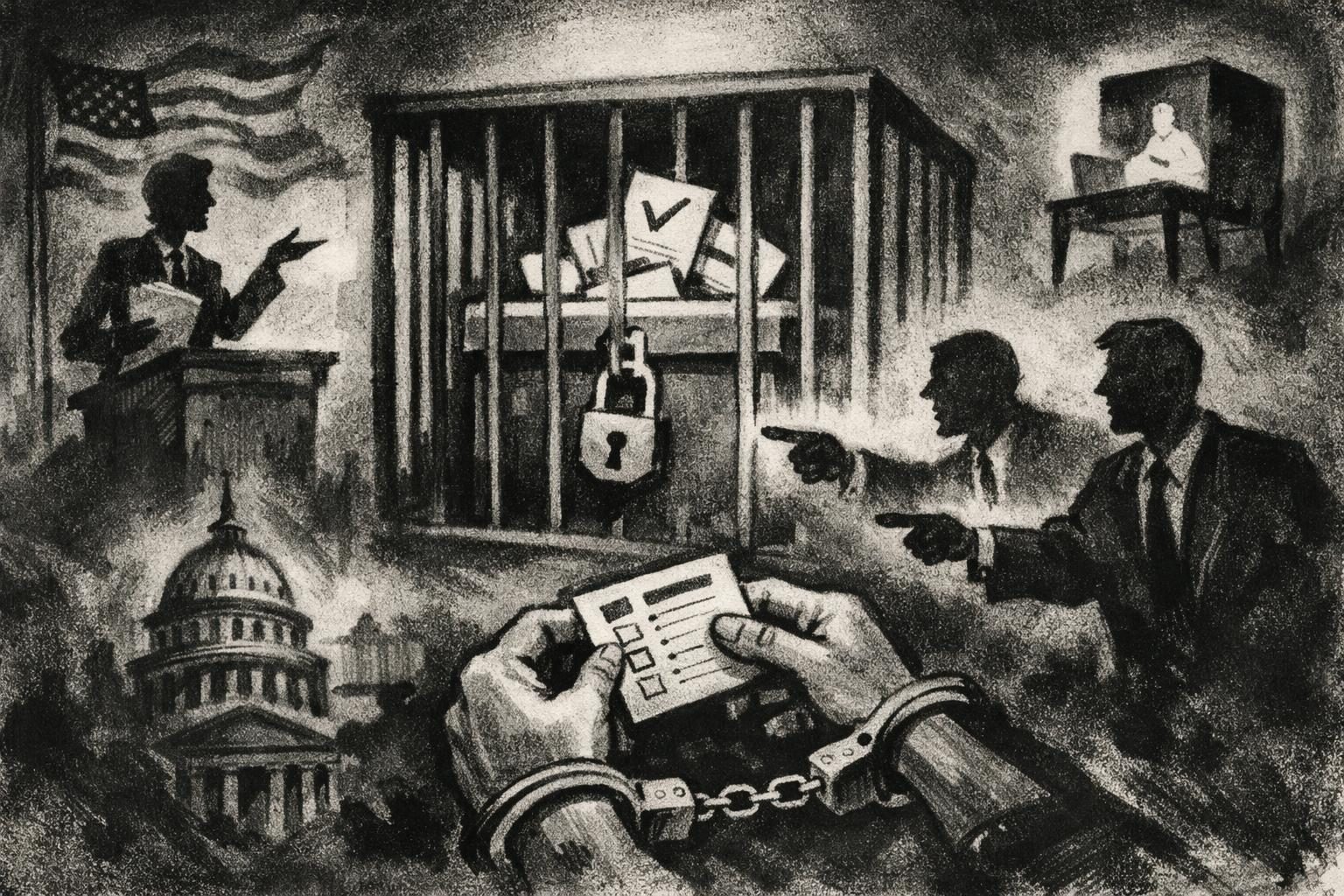
Federal prosecutors in the Eastern District of North Carolina moved this week with a series of ten indictments alleging that noncitizens voted in the 2024 election, a development that is legally significant and politically radioactive at the same time. The filings are concrete criminal charges, not rumors or social media speculation, and each case will now have to pass through the ordinary grind of the justice system. That means evidence, defense motions, discovery disputes, and eventually court rulings that may confirm, narrow, or complicate what prosecutors say happened. It also means the public should resist the temptation to treat the indictments as a final answer before the facts are tested. In election politics, that distinction often gets blurred the moment a prosecutor steps to a microphone, and this case appears no different.
The administration’s interest in these cases is not hard to understand. Ten indictments may be a small number in the context of a presidential election that drew millions of ballots, but the symbolic value is much larger than the raw count suggests. A stack of criminal filings allows officials to argue that noncitizen voting is not just a theoretical vulnerability or a campaign talking point, but a documented threat that demands attention. That is the basic mechanics of political narrative-building: take a narrow enforcement action, present it as a window into a broader danger, and use the authority of the federal government to amplify the message. The risk is that the story begins to outrun the evidence. If isolated alleged violations are repeatedly framed as proof of a system-wide collapse, the public can be pushed toward alarm before the underlying cases have even been adjudicated.
That does not mean the indictments should be dismissed or treated as somehow less serious because they are politically useful to some actors. If prosecutors can prove the allegations, then the cases represent straightforward breaches of election law and should be handled accordingly. Voting by someone who is not legally eligible to do so is not a trivial matter, and public confidence in elections depends on the credible enforcement of the rules that govern them. But criminal law has a habit of punishing exaggeration, especially when officials lean too heavily on rhetoric before the evidentiary record is fully assembled. If any of these cases are weaker than the public framing suggests, the administration could end up handing critics a vivid example of overreach packaged as vigilance. That would not only weaken the immediate political argument; it would also make the broader enforcement effort harder to defend the next time officials claim they are simply following the facts.
The bigger fight, as usual, is not only about the defendants named in North Carolina. It is about the larger theory of the electorate that those indictments are being used to support. One side will point to the filings and say they demonstrate a real need for tougher verification, tighter registration rules, and more aggressive federal scrutiny of voter rolls. The other side will argue that the cases are being inflated into a national alarm bell in order to justify voter suppression, deepen suspicion around immigrant communities, and seed doubt about election legitimacy. Those arguments are not happening in a vacuum. They fit into a larger struggle over who gets to vote, how errors are identified, and whether the federal government should approach election administration as a matter of routine compliance or high-stakes suspicion. For now, the only thing the indictments definitively establish is that prosecutors have brought charges and that the claims will now be tested in court. Everything else — the size of the problem, the political meaning of the cases, and whether the rollout was measured enforcement or theatrical escalation — remains contested, and probably will for some time.
Comments
Threaded replies, voting, and reports are live. New users still go through screening on their first approved comments.
Log in to comment
No comments yet. Be the first reasonably on-topic person here.