
Eleventh Circuit hands state lawmakers a fresh headache in NetChoice fight
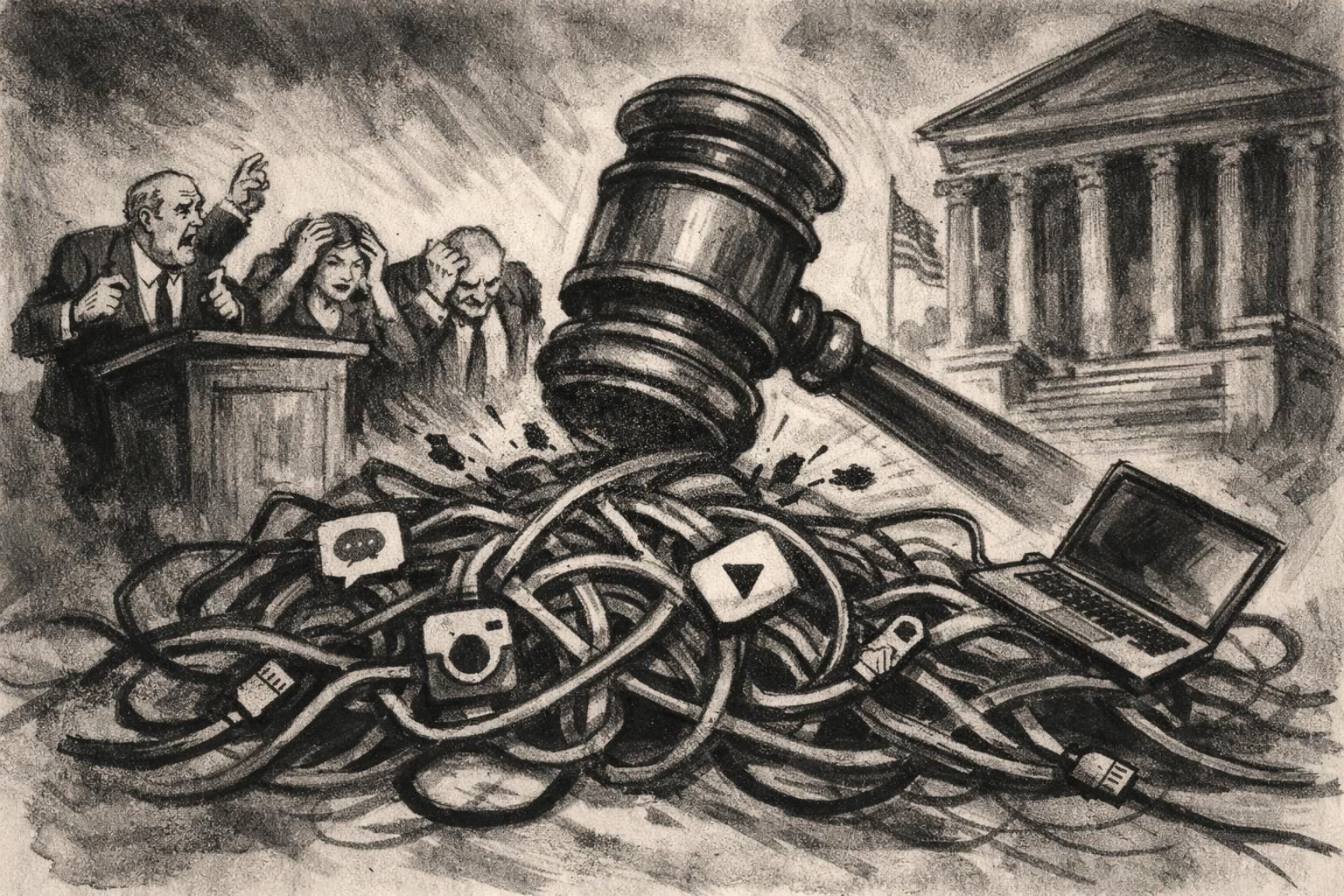
The Eleventh Circuit added a fresh twist on October 15 to the long-running legal fight over whether state lawmakers can treat social media platforms like regulated public utilities. In a published opinion in NetChoice v. Attorney General, State of Georgia, the court put new language on the record in a case that has become one of the most closely watched tests of how far states can go in telling private online companies what speech they must host, how they may rank it, and when they may remove it. The ruling matters not just because it is new, but because published appellate opinions carry weight well beyond the immediate parties. They can shape how lawyers, judges, and legislators think about similar efforts in other states. For politicians eager to squeeze platforms over content decisions they dislike, that makes every line of an appellate decision worth reading twice.
The underlying dispute sits at the intersection of free speech doctrine and the increasingly familiar political effort to turn tech companies into foil and punching bag. NetChoice, the industry group that has spent years challenging state laws aimed at forcing platforms to carry speech or label it in prescribed ways, has argued that many of these measures amount to government-compelled speech or unconstitutional interference with editorial judgment. State officials, by contrast, have often framed the same laws as consumer protection or viewpoint neutrality, casting platforms as powerful gatekeepers that need stronger oversight. The tension is easy to describe and hard to resolve, which is why these cases keep cycling through the courts. Even when lawmakers insist they are only trying to ensure fairness online, the constitutional question remains whether the state is trying to manage private speech decisions as if they were the decisions of a regulated monopoly.
That is the headache now landing back on lawmakers’ desks. The Eleventh Circuit’s move does not end the larger controversy, but it gives the fight another formal judicial waypoint at a time when the politics around online content moderation are still highly combustible. Conservative officials in particular have pushed the idea that platforms are biased against them and that states should be able to force different rules on the companies that host public debate. The courts have repeatedly had to decide whether those claims translate into a valid legal theory or just another effort to punish private companies for disfavored speech judgments. The answer has not been simple, and the disagreement has produced a maze of injunctions, appeals, and revisited arguments. Each new appellate opinion becomes both a legal event and a political signal, telling statehouses whether they are entering a courthouse with a viable theory or just another constitutional minefield.
The broader significance here is less about one company or one statute than about the durability of the First Amendment in an era of escalating state-level experimentation. If the Eleventh Circuit’s reasoning tightens the space available for these kinds of laws, it reinforces the idea that states cannot simply relabel online moderation as a public-utility problem and expect the Constitution to bend around that framing. If the opinion leaves more room for regulation, even in part, it may invite lawmakers to keep pressing ahead with new versions of similar bills, hoping to find one that survives judicial review. Either way, the case feeds a pattern that has become familiar across the country: lawmakers announce a crusade against tech platforms, litigators spend years sorting through the wreckage, and courts are left to decide whether the political message was ever legally serious. For now, the Eleventh Circuit has made clear that the fight is not going away, and that state politicians looking for an easy way to discipline online speech are still running into judges who are willing to ask uncomfortable questions. In practical terms, that means the anti-tech campaign remains stuck in the same place it has occupied for years, somewhere between rhetorical thunder and constitutional reality."}]}
Comments
Threaded replies, voting, and reports are live. New users still go through screening on their first approved comments.
Log in to comment
No comments yet. Be the first reasonably on-topic person here.