
FERC Tries to Fast-Track Gas Projects by Rewriting Its NEPA Playbook
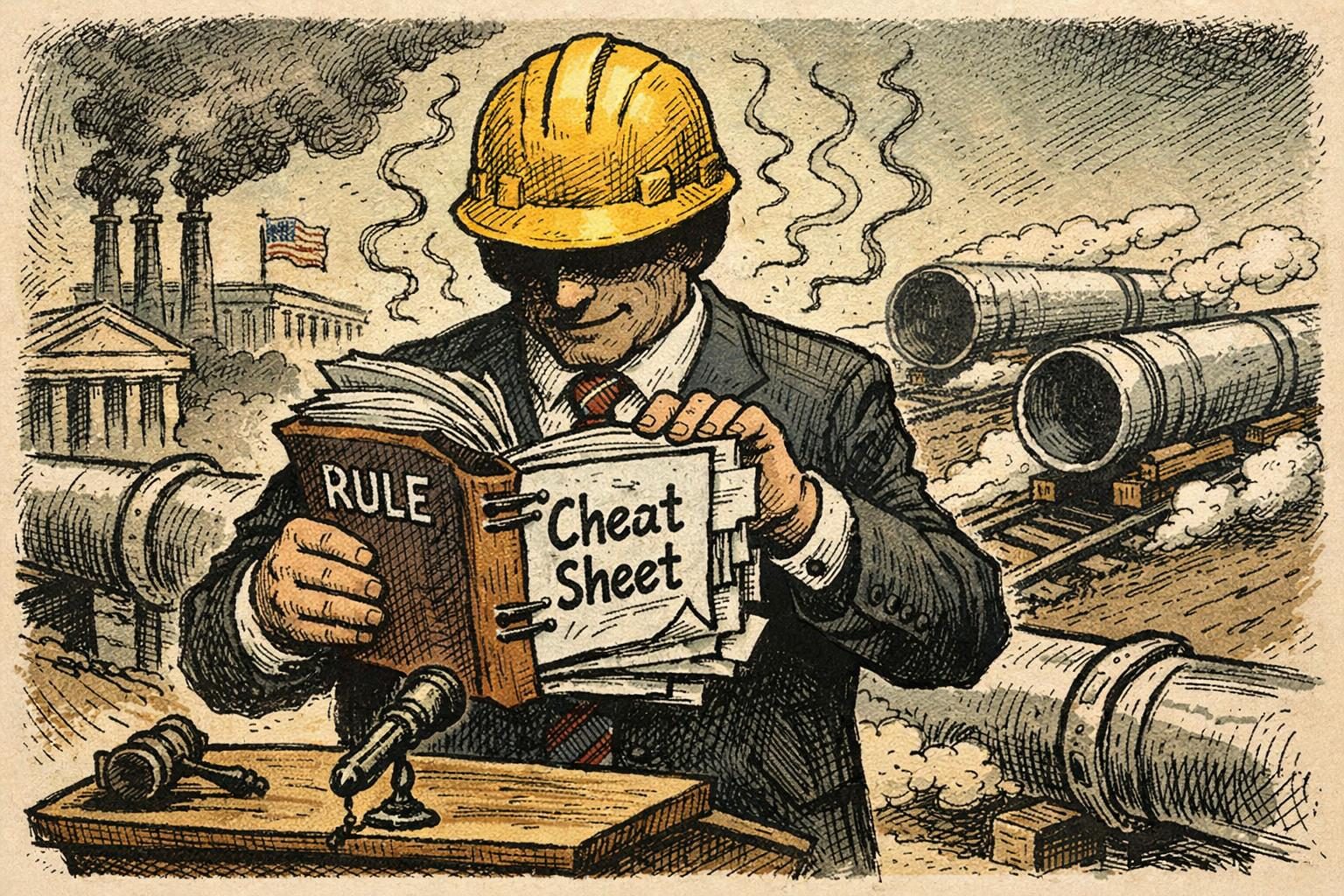
The Federal Energy Regulatory Commission is moving to rewrite a key part of how it evaluates natural gas projects under the National Environmental Policy Act, a change that could make it easier and faster for pipelines and related infrastructure to clear federal review. The proposal would narrow the agency’s treatment of air-quality impacts by relying more heavily on protections and mitigation measures already embedded in the Clean Air Act, rather than using NEPA review as a broader checkpoint for pollution concerns. In practical terms, that means FERC is trying to make the environmental review process less of a substantive speed bump for gas development and more of an administrative pass-through. The commission says the change is about efficiency and modernization, but the policy direction is unmistakable: shorten the review, reduce duplication, and get projects moving sooner. That may sound like a tidy bureaucratic cleanup, but for people who live near the places where these projects get built, it can feel more like the federal government deciding that air pollution questions are best handled after the fact.
The stakes are high because NEPA is not just a paperwork exercise; in many infrastructure fights, it is the place where real scrutiny happens. Environmental review can force agencies to confront how a proposed project will affect local air quality, health burdens, and cumulative pollution, especially when a region is already crowded with industrial facilities. Under the proposed approach, FERC would lean more heavily on the idea that existing statutes and mitigation requirements already cover those harms, which would leave the agency with less room to press developers on the full range of environmental consequences. That shift could matter most for communities that are already living with compressor stations, pipelines, processing plants, and other fossil-fuel infrastructure that tends to arrive with promises of jobs and leave behind long-term exposure. Critics are likely to argue that the proposal trims away one of the few chokepoints that can slow down a project long enough for the public to question whether it should be built at all. Supporters, by contrast, are likely to say the commission is simply avoiding duplication and aligning its review with other federal pollution rules. Either way, the practical effect is the same: fewer questions asked at the point when questions still have the power to matter.
That is why this proposal is likely to draw sharp pushback from environmental and public-interest groups, even though it is framed in the tame language of process reform. Regulatory changes like this rarely sound dramatic when first announced, but they can reshape the balance of power between developers and the communities affected by their projects. If FERC succeeds in narrowing the scope of its NEPA analysis, gas project sponsors would face fewer obstacles at the federal review stage, while opponents would have fewer procedural footholds to demand changes or delays. The burden would then shift more heavily onto local governments, state permitting processes, and the courts, where fights are often slower, more expensive, and harder for communities with limited resources to sustain. That raises a familiar concern: when federal regulators remove friction from fossil-fuel buildouts, the benefits tend to accrue to developers while the costs land in neighborhoods already carrying a disproportionate share of industrial pollution. It is especially consequential for low-income communities and communities of color, which are often the ones asked to absorb the smog, the noise, the traffic, and the risk while being told the project is in the national interest. The commission may describe the move as a more efficient use of its authority, but efficiency is a slippery word when what gets streamlined is scrutiny of dirty air.
For now, the proposal is exactly that: a proposal. It still has to go through the comment process, and the final version could change before the agency locks anything in. Even so, this is not a symbolic gesture or a minor technical update; it is a concrete step by a powerful federal regulator toward a more permissive posture on natural gas infrastructure. The timing matters as well, because agency rulemaking signals where political power is trying to move, even before the ink dries on the final text. If the commission adopts the rule substantially as proposed, it is likely to trigger immediate opposition from environmental advocates, community groups, and others who have long argued that gas infrastructure should face stronger, not weaker, review. The broader message is hard to miss: when FERC talks about streamlining, opponents will hear fewer safeguards, less public leverage, and a more polished pathway for fossil-fuel expansion. And in this case, that suspicion is not paranoia or partisan melodrama. It is a reasonable reading of a proposal that seems designed to make a major category of projects easier to approve while asking the public to accept that nothing important has been lost along the way.
Comments
Threaded replies, voting, and reports are live. New users still go through screening on their first approved comments.
Log in to comment
No comments yet. Be the first reasonably on-topic person here.