
Senate Democrats press Education Department over minority-serving funds it shifted elsewhere
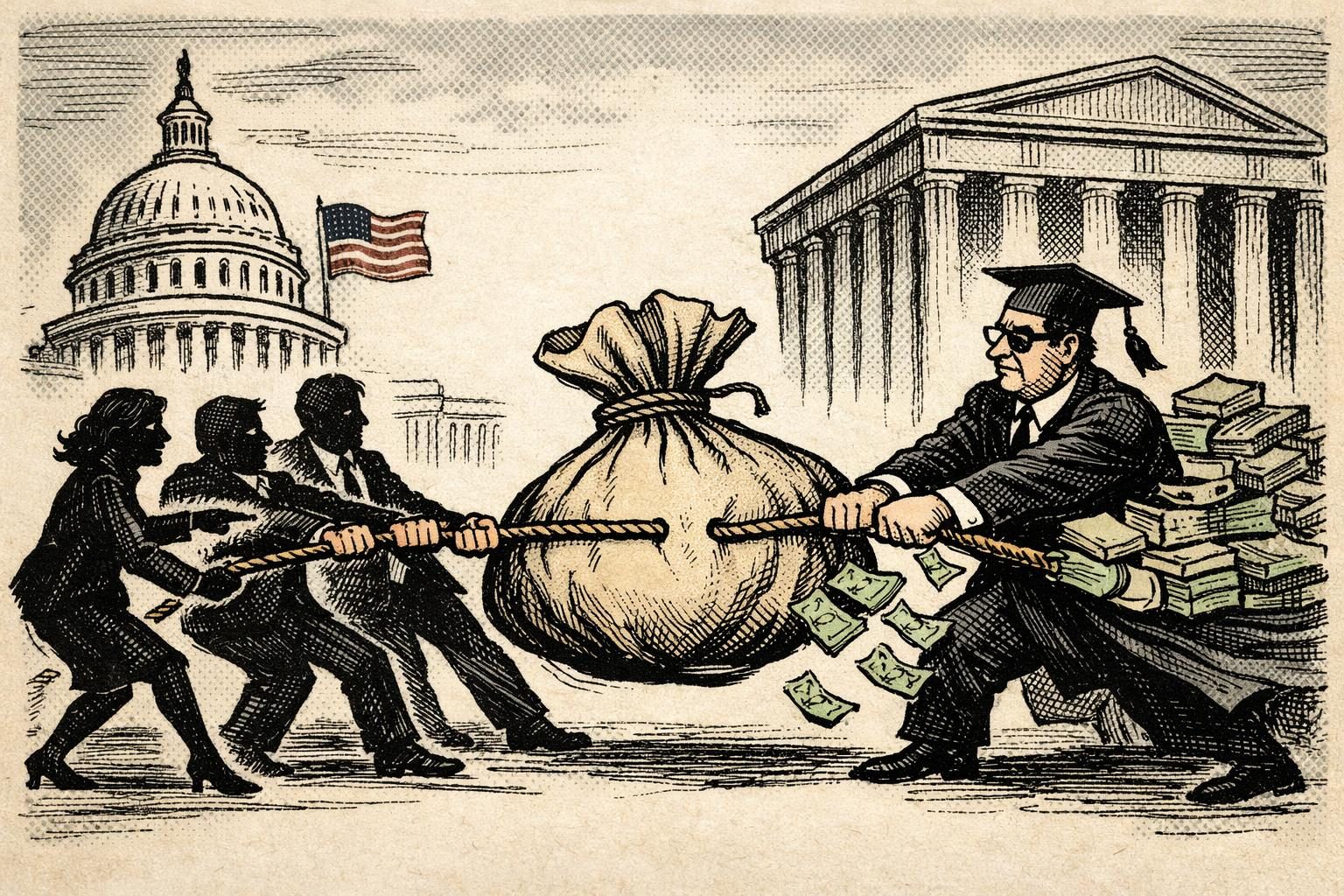
Senate Democrats are turning up the pressure on the Education Department over its decision to steer money away from minority-serving institutions, arguing that the administration is trying to do by executive muscle what Congress never authorized. In a letter sent Oct. 15, Sen. Mazie Hirono and other Democratic lawmakers warned that the department’s handling of the funds appears to amount to an illegal reallocation of money that was set aside for colleges and universities serving large numbers of students of color and other underserved populations. The dispute is especially charged because it lands at the intersection of higher-education funding, race-conscious programs, and an administration that critics say has repeatedly treated congressional intent as something to be worked around rather than followed. At stake are not just accounting choices and budget language, but the future of programs that many campuses say are essential to keeping services running. The senators are framing the issue as a test of whether the department intends to honor the law or simply reinterpret it until the money ends up where the White House wants it.
The funding in question is not an abstract policy line that disappears into a federal spreadsheet. Minority-serving institutions, including historically Black colleges and universities, tribally controlled colleges and universities, and other campuses designated by federal law, often depend on these grants to help pay for core academic and student-support functions. For schools operating on thin margins, even a temporary disruption can mean delayed hiring, reduced programming, postponed maintenance, or shortfalls in services that students notice quickly. That is why the Democratic complaint is landing with so much force: the concern is not only whether the department has the legal authority to redirect the money, but whether it understands the real-world consequences of doing so. If colleges have to budget around uncertainty, the damage can ripple through an entire academic year. Even where funds are eventually restored, the interruption itself can leave institutions scrambling to patch holes they did not create. In that sense, the controversy is about both legality and institutional stability, and those two questions tend to reinforce one another once litigation enters the picture.
The politics of the fight are combustible in a way that education funding disputes usually are not. Democrats are casting the administration’s move as an attack on access, equity, and the federal government’s obligation to support schools that have historically been underfunded. They are also warning that the reallocation fits a broader pattern in which statutory guardrails are treated as flexible when they conflict with the current agenda. The administration, if past disputes are any guide, is likely to argue that it is simply making a budgetary correction or prioritizing spending in a way it believes is lawful and prudent. But that defense may be difficult to sustain if lawmakers can point to clear congressional direction about where the money was supposed to go. The optics are even worse because the programs at issue are associated with institutions that already have to fight for resources other schools take for granted. That gives Democrats a clean, if politically loaded, message: the administration is not just adjusting policy, it is undermining schools that rely on federal support to serve students who cannot afford another setback.
The letter also underscores how much of the Education Department fight now revolves around whether the administration can justify its actions in writing and with explicit statutory backing. That may sound like a narrow procedural question, but in practice it often determines whether a policy survives legal scrutiny. If the department cannot point to a solid legal rationale, critics will be able to argue that the shift is less a discretionary budget choice than a deliberate override of Congress. That would raise the likelihood of a court challenge and create a paper trail that could prove awkward for officials defending the decision later. It also gives Senate Democrats a broader narrative to work with: that the administration’s education agenda is not only ideological but fiscally disruptive, with consequences that are felt most acutely by institutions already operating under tight constraints. The issue may not dominate the news cycle for long, but it adds to a larger pattern of conflict over how aggressively the executive branch can interpret spending authority. For now, the senators are betting that forcing the department to answer publicly is enough to make the legal and political risks harder to ignore. If the administration digs in, the fight is likely to shift from a warning shot to a more formal confrontation over both money and power.
Comments
Threaded replies, voting, and reports are live. New users still go through screening on their first approved comments.
Log in to comment
No comments yet. Be the first reasonably on-topic person here.