
House Republicans advance another batch of law-and-order bills with plenty of political theater
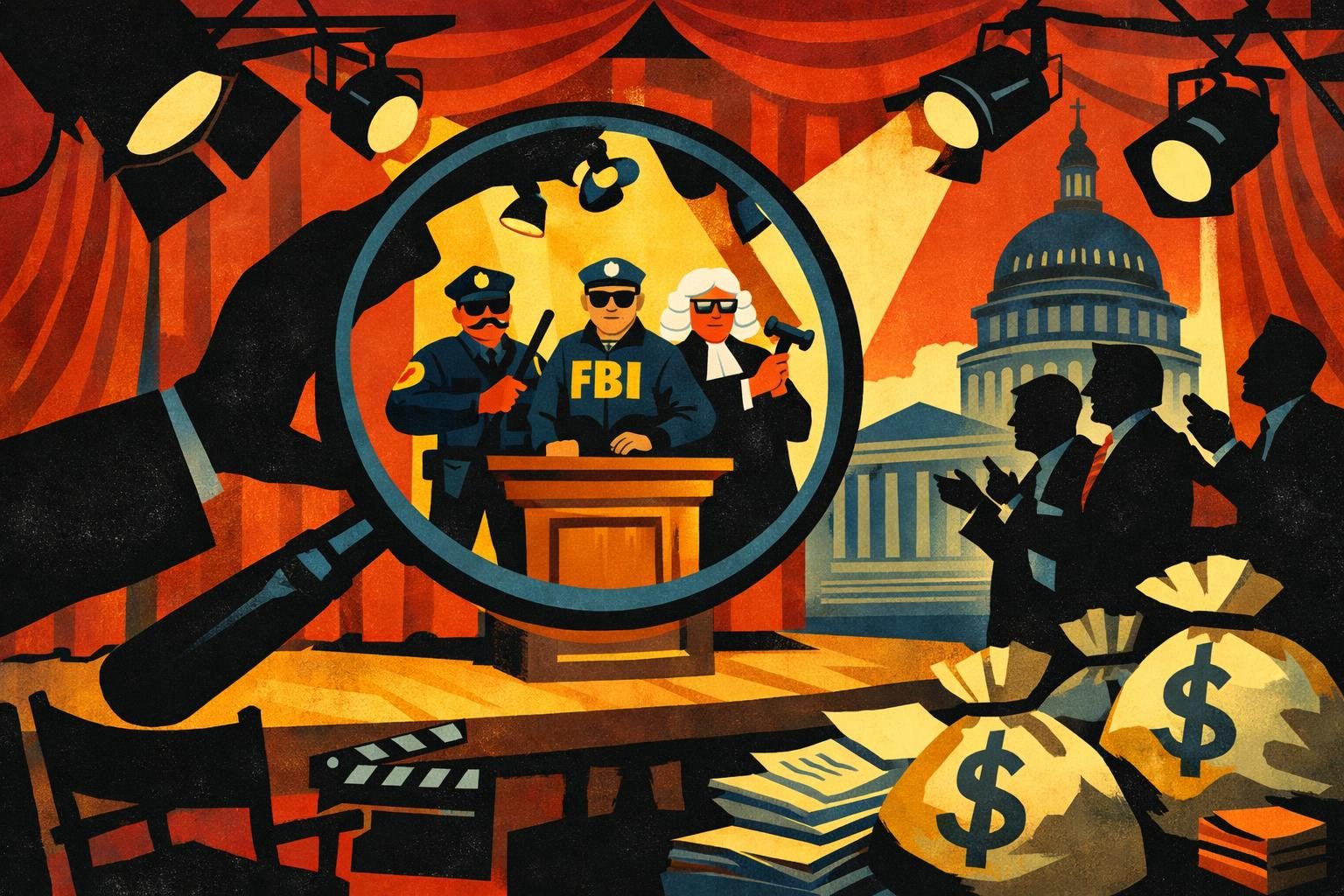
House Republicans spent October 15 moving another package of bills that fit neatly into the chamber’s favorite genre of governing-by-slogan: measures billed as tough, moral, and anti-fraud, with just enough legislative structure to look serious from across the aisle. Among the items advanced were the National Fraud Enforcement Division Act and another oversight-oriented bill presented as a crackdown on rip-offs and misuse of funds. The votes matter because they were real floor action, not just talking points, and the House does have to decide what deserves its limited time. But the broader impression is hard to miss: this is a majority using precious calendar space to dramatize its commitment to enforcement and accountability while leaving the most consequential work of the chamber unresolved or deferred. The House also agreed to Senate amendments to a sanctions bill, a reminder that not everything on the floor was pure messaging, even if the day’s emphasis leaned heavily in that direction.
That mix of actual legislating and political stagecraft is what makes the episode worth watching. The House is not short on urgent business, and everyone involved knows it. Appropriations are still among the biggest obligations hanging over Congress, and lawmakers continue to face the usual list of unfinished tasks on disaster aid, health policy, and the ordinary maintenance of government that rarely produces tidy slogans for campaign ads. Against that backdrop, a fraud-themed package can look less like a governing breakthrough than a carefully chosen prop. It lets members claim they are fighting waste and abuse without having to grapple with the harder questions of how fraud is defined, where the enforcement gaps actually are, and what kind of oversight would be effective rather than decorative. The practical effect is not that these bills are meaningless, exactly, but that they are being placed in a political frame that does most of the work. The House leadership gets to advertise toughness, while the substance of the legislation can remain comparatively vague to anyone not following the details closely.
The appeal is obvious because “fraud” is one of those words that does a lot of work with very little explanation. It sounds like corruption, vigilance, and common sense all at once, which is why it travels so well in campaign messaging. But the term can also function as a kind of rhetorical fog, allowing lawmakers to suggest urgency without specifying the target, the evidence, or the scale of the problem they are claiming to solve. That is especially useful in a chamber where symbolism can matter almost as much as statute text. A bill with an enforcement-heavy title can project resolve even if the underlying mechanics are still unsettled or if its real-world impact is modest. The political utility is clear: voters hear that Republicans are doing something about fraud, and the majority can point to floor votes as proof of action. The harder part is whether any of it survives the full legislative process in a way that changes conduct, recovers money, or improves accountability in a measurable sense. Until then, the safer reading is that the House is performing seriousness while also trying to bank the appearance of seriousness for later use.
None of that means the votes should be dismissed as empty theater, because they are still part of the chamber’s governing record and they do show what the majority wants to emphasize. A Congress that keeps choosing fraud and oversight branding over more grinding, less photogenic work is making a statement about priorities, even if it is not always making policy in the deepest sense. That statement is political as much as legislative. It signals a preference for punishment, suspicion, and a familiar narrative in which government is best cast as a battlefield of watchdogs and wrongdoers rather than a place where durable compromises are assembled. This is why the day’s action reads as a useful indicator of mood rather than a transformative shift in law. The House is still capable of doing real business, and the sanctions bill amendment agreement shows that plainly enough, but the balance of attention remains tilted toward bills that play well in a partisan environment. The result is a chamber that can point to activity while still inviting the criticism that it is spending scarce floor time on branding-friendly fights instead of the messier, less theatrical obligations of governance.
Comments
Threaded replies, voting, and reports are live. New users still go through screening on their first approved comments.
Log in to comment
No comments yet. Be the first reasonably on-topic person here.