
Justice Department turns a warning letter into a Portland complaint
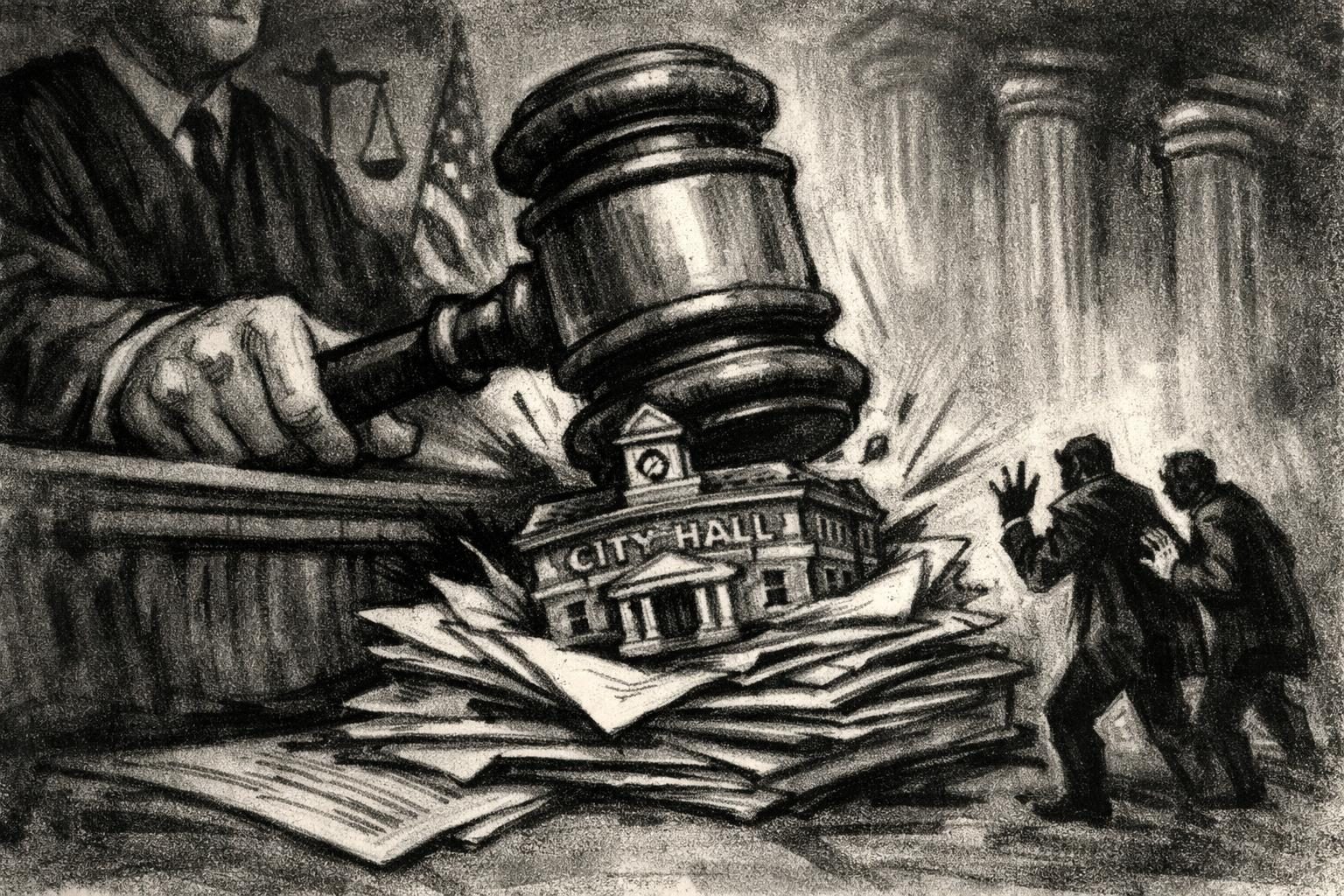
The Justice Department’s new complaint against Portland is not just another constitutional filing tucked into a busy federal docket. It is also a useful look at how the administration is handling resistance from local governments that try to place conditions on how federal officers identify themselves or interact with the public. According to the filing, federal officials first sent the city a warning letter on October 9, asking for assurances that the ordinance would not be enforced against federal personnel, and only then moved ahead with the lawsuit after the city stood by its position. That sequence matters because it shows the government is not sprinting straight to court every time it encounters a local restriction. It is building a paper trail first, then turning that paper trail into part of the legal and political case for federal supremacy.
That approach is not unusual in federal litigation, where notices, demands, and cure letters often precede a complaint. But the Portland case suggests the administration sees value in treating those letters as more than routine procedural steps. They function as a kind of pre-litigation theater, a formal warning meant to show the city was given a chance to back down and chose not to do so. From the federal government’s perspective, that helps frame the lawsuit as a reluctant response to local defiance rather than an aggressive first strike. From the city’s perspective, the letter may look more like a prearranged step in a predictable escalation, one designed to put pressure on local officials before a judge ever sees the merits. Either way, the warning letter is now part of the case’s architecture, and it gives the administration another way to argue that it tried compliance before it chose confrontation.
The underlying dispute is bigger than one city ordinance, and the complaint is aimed at more than a local policy choice. The federal position appears to be that Portland cannot enforce rules that interfere with federal officers carrying out their duties or that impose identification and transparency requirements the government says conflict with federal operations. That is the legal heart of the fight, and it is the place where the constitutional arguments will get sorted out, likely through a mix of preemption claims, questions about federal immunity, and arguments over the scope of local authority. But there is also a political layer to the filing that is hard to miss. The administration has been increasingly comfortable presenting local governments as if they are not simply mistaken but actively obstructive, even lawless, when they resist federal demands. That posture turns a narrow legal disagreement into a broader public conflict over who gets to set the terms for policing, oversight, and accountability.
The case may also matter because it fits into a broader pattern that is becoming harder to ignore: the use of federal lawsuits to push back against city rules that seek to regulate how law enforcement operates in public view. When municipalities try to require identification, limit certain tactics, or demand transparency from officers, the federal government now seems more likely to answer with a preemption theory and a warning that local rules cannot stand. That does not mean the government will prevail. It does mean cities like Portland are being drawn into expensive, high-stakes litigation over whether local lawmakers can shape conduct that federal officials view as part of their core authority. The result is a fresh institutional clash with immediate practical consequences, since these fights can chill local enforcement efforts even before a court reaches a final decision. In that sense, the complaint is about more than one ordinance. It is about how much room cities have left to regulate the visible conduct of federal policing in their own streets, and how far the administration is willing to go to stop them.
Comments
Threaded replies, voting, and reports are live. New users still go through screening on their first approved comments.
Log in to comment
No comments yet. Be the first reasonably on-topic person here.