
SEC charges multiple fraud schemes that used WhatsApp to trap investors
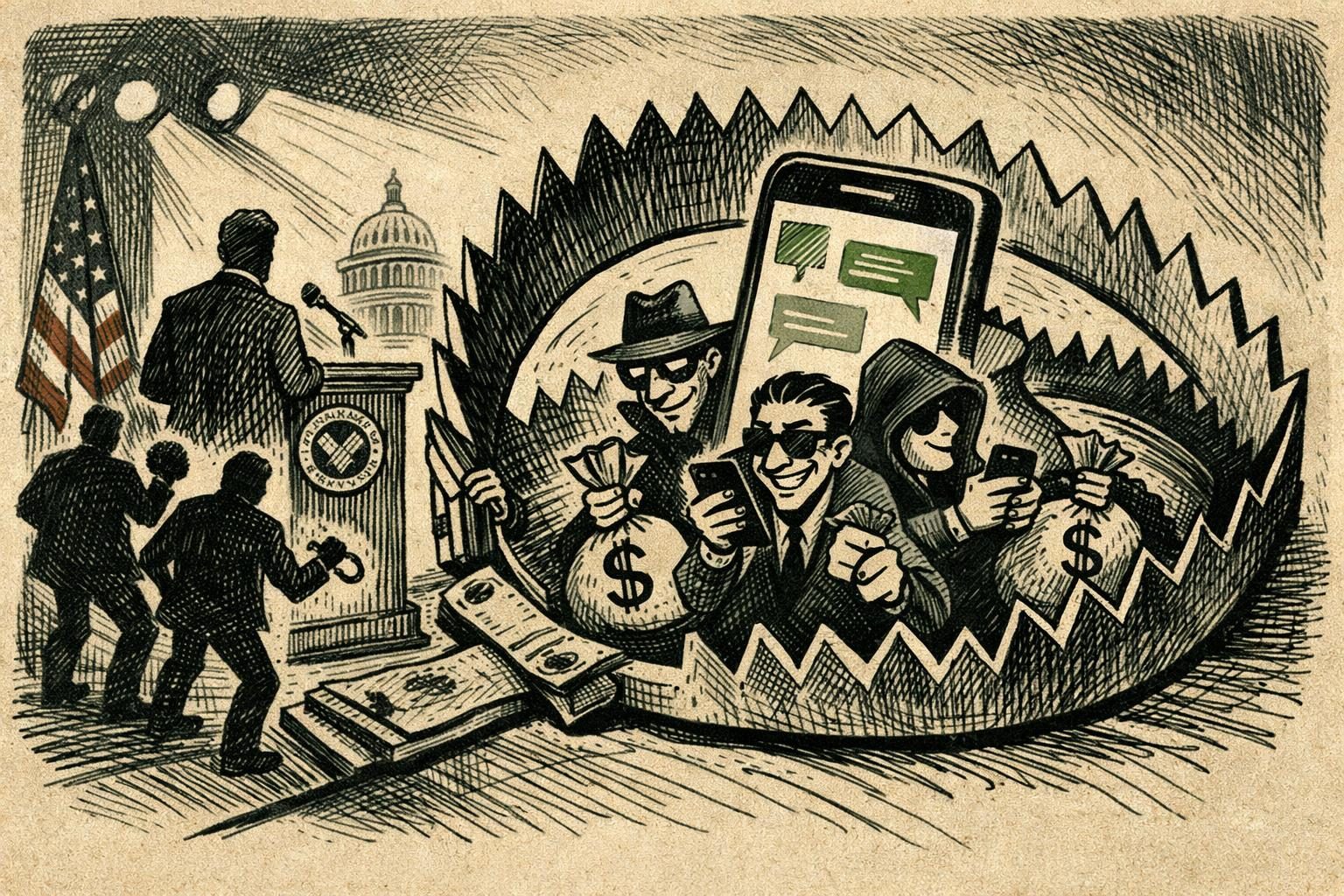
The Securities and Exchange Commission on October 15 announced a new enforcement action aimed at multiple entities the agency says ran investment fraud schemes that used WhatsApp and similar platforms to reach victims. According to the SEC, the schemes together involved at least $15 million and relied on a familiar mix of false promises, fake legitimacy, and relentless digital outreach to pull money from investors. The complaint is part of the agency’s continuing effort to chase scams that no longer depend on a cold-call boiler room or a glossy brochure but instead arrive as a message on a phone screen. That shift matters because the mechanics of the fraud have changed even when the underlying sales pitch has not. The basic pattern remains the same: promise outsized returns, build trust quickly, and move the money before the target has time to think too hard.
The SEC’s account describes a scheme architecture that should feel painfully recognizable to anyone who has followed investment fraud over the years. Operators allegedly used messaging apps and other online platforms to lure people into what looked like credible opportunities, then backed the pitch with claims that were designed to sound official and reassuring. Once money was transferred, the agency says, the operators stole it. That may sound blunt, but it reflects the reason these cases keep showing up in enforcement dockets: fraudsters do not need a complex financial instrument to do damage, only a convincing story and a fast channel for delivery. WhatsApp and similar services make that task easier by putting the con directly into private, persistent, and often hard-to-audit conversations. The message can arrive with a profile photo, a polished script, and a stream of follow-up pressure that feels personalized enough to lower suspicion.
What makes the case notable is not just the dollar figure, though $15 million is hardly pocket change, but the way it illustrates the modern shape of financial crime. Social and messaging platforms let bad actors scale up trust manipulation with very little overhead and very little warning. A scammer no longer needs a physical office, a landline, or even a stable identity for long; one account can be discarded and replaced with another, while the pitch keeps circulating. That creates a moving target for regulators and investigators, especially when the fraudsters are exploiting channels built for speed and convenience rather than verification and oversight. The SEC’s action suggests that the agency sees this as a live and persistent threat, not an isolated incident or a relic of an older era. In practical terms, that means enforcement is increasingly being asked to catch behavior that can spread faster than the paperwork used to stop it.
There is also a broader policy issue sitting underneath the case, even if the agency’s announcement is focused on charges rather than reform. Modern investment fraud is now deeply intertwined with social-network behavior, group chats, and direct-message outreach, which means consumer protection has become partly a platform problem as well as a securities-law problem. Traditional anti-fraud tools were built for a world in which the scammer often had to make repeated phone calls, mail documents, or operate through more visible channels. Today, the pressure can be continuous, the recruitment can be highly targeted, and the false credibility can be built out of little more than screenshots, references to supposed insiders, and urgent instructions to move money quickly. None of that guarantees a successful prosecution, and the SEC’s case does not pretend otherwise. But it does show that the agency is still trying to keep pace with a fraud economy that has adapted to mobile communication and keeps finding new ways to hide in plain sight. That is the larger lesson here: the technology may be new, but the ripoff is old, and the enforcement challenge is only getting more complicated.
Comments
Threaded replies, voting, and reports are live. New users still go through screening on their first approved comments.
Log in to comment
No comments yet. Be the first reasonably on-topic person here.