
States, privacy groups sue over DHS voter-data collection
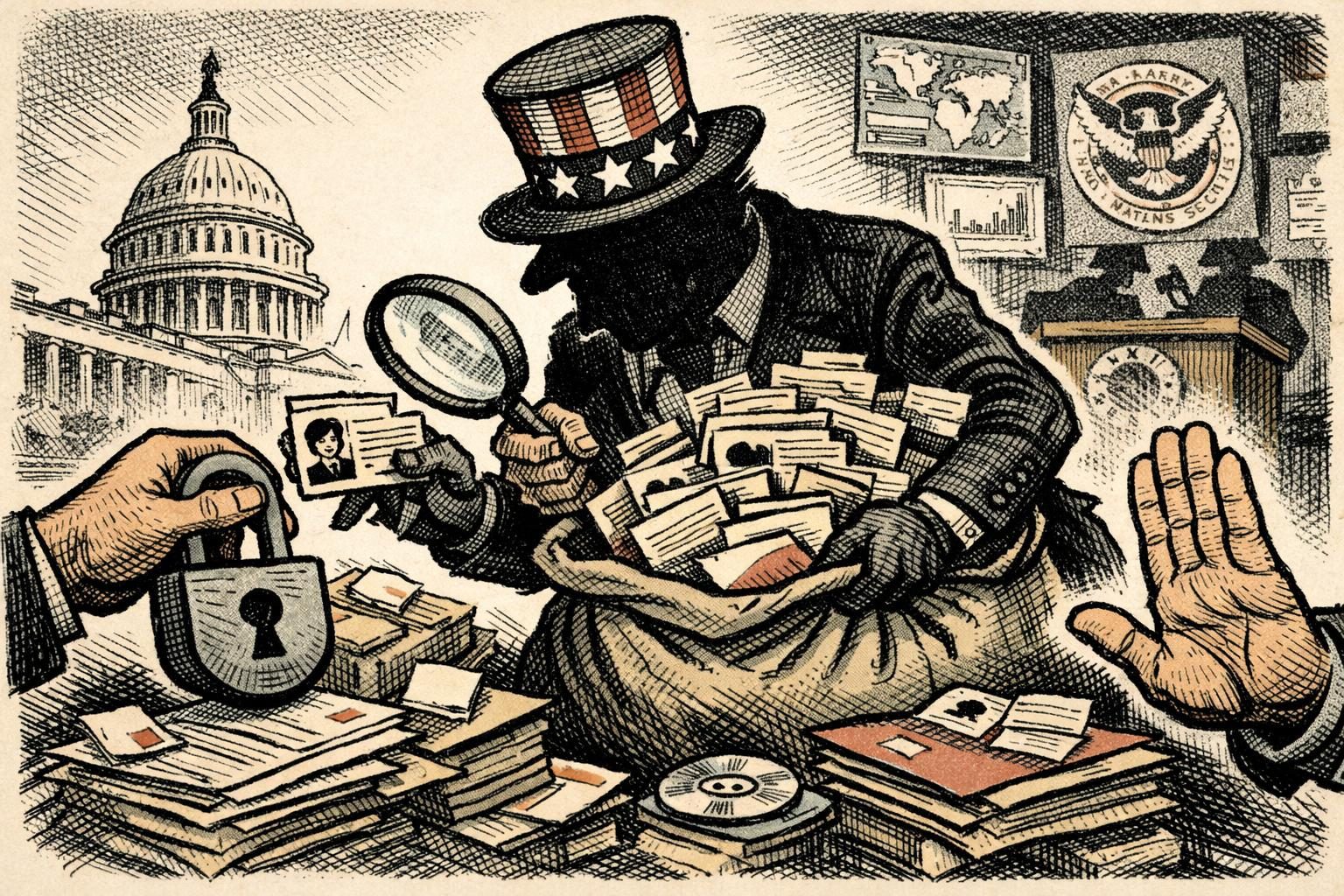
A coalition of voting rights and privacy groups sued the Trump administration on Thursday, saying the Department of Homeland Security has built a national cache of voter-registration records without legal authority.
The complaint, filed in federal court in Washington, says DHS obtained voter files from at least 47 states and combined them with commercial datasets. The plaintiffs — the League of Women Voters, the Electronic Privacy Information Center and the League of United Latin American Citizens — say that process broke federal privacy protections and put sensitive personal information at risk.
According to the lawsuit, the records can include names, addresses, dates of birth, voting history, political affiliation and, in some cases, other identifiers such as Social Security numbers or driver’s license numbers. The filing says DHS used the material as part of an effort to investigate claims of noncitizen voting, a claim the plaintiffs say has not been substantiated at the scale the government suggests.
The lawsuit asks a judge to block DHS from continuing the collection effort, bar the agency from using or sharing the data it already has, and order it to delete the records. It also argues that the agency has not given the public the notice or safeguards required when the government assembles a database of this size.
The challenge lands as election officials in several states have resisted federal demands for voter files and pushed back on accusations that their rolls are being overrun by ineligible voters. The plaintiffs say the federal government is crossing a line by turning state voter records into a centralized federal repository tied to immigration and enforcement systems. DHS did not immediately respond to a request for comment.
The case is the latest legal fight over how far federal agencies can go when they say they are protecting election integrity. Here, the dispute is not over a single suspected bad ballot. It is over whether the government can collect and merge voter data on millions of people first, and ask questions later.
Comments
Threaded replies, voting, and reports are live. New users still go through screening on their first approved comments.
Log in to comment
No comments yet. Be the first reasonably on-topic person here.