
Federal authorities probe suspicious mail sent to Congress and election offices
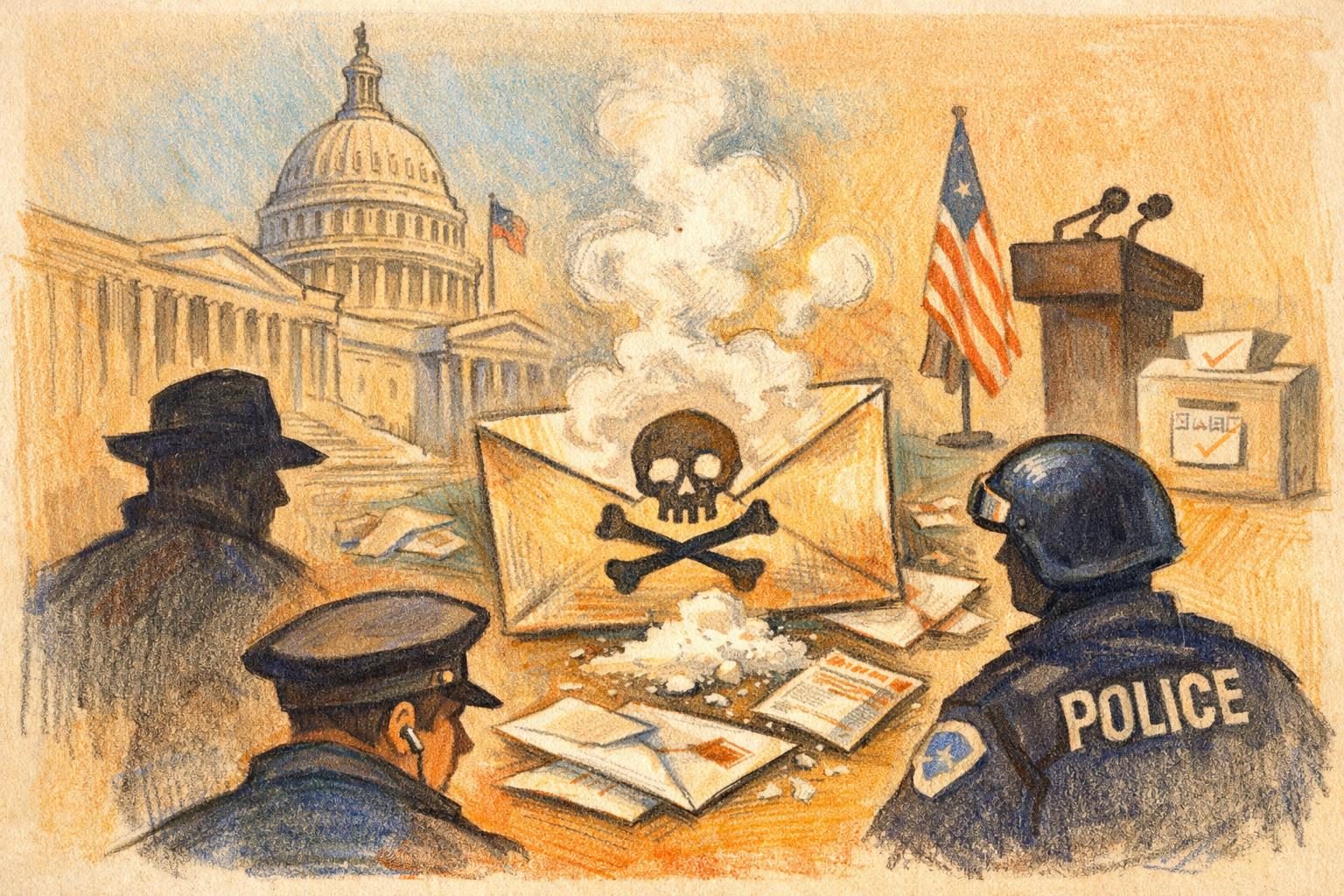
Federal authorities are investigating a series of suspicious letters and packages mailed to congressional offices and election-related offices across the country, a development that once again puts the machinery of American democracy in the uncomfortable position of having to defend itself against anonymous intimidation. The FBI, the U.S. Postal Inspection Service, and Capitol Police are involved in the response, and officials have been treating the mailings as potentially hazardous while they work to determine where the pieces came from and what, if anything, was inside them. Senate offices were warned that some of the letters may still be moving through the mail and could yet arrive at their intended destinations. At least several senators reported that packages or letters had already been intercepted, and some state election offices said they had received or stopped suspicious items as well. That combination of uncertainty and spread is exactly what gives these incidents their force: even before investigators identify the sender or confirm the substance, the disruption has already begun.
The timing makes the episode especially corrosive. The country is already deep into election season, which means office staff, election administrators, and lawmakers are operating under the usual pressure of deadlines, public scrutiny, and routine security concerns. Suspicious mail does not just create a one-off law-enforcement headache; it interrupts the basic work that keeps elections and representative government functioning. Offices may need to evacuate, isolate mailrooms, summon bomb squads or hazmat teams, and delay normal operations while testing is conducted. Even if a substance later proves harmless, that does not erase the costs in time, money, and anxiety. The point of this kind of act is often not the physical harm alone but the disruption it causes and the fear it spreads. In that sense, the mailings fit a grim pattern familiar to public agencies that have spent years warning that threats, harassment, and intimidation are becoming part of the job.
Election officials have been especially vocal about the toll such incidents take on the people who actually run elections day to day. Their work depends on routine competence, not drama, and the current climate has made that harder to maintain. Administrators across the country have repeatedly said that threats make it more difficult to recruit and retain staff, especially in smaller jurisdictions where workers already juggle limited resources and heightened public anger. Mail-based threats add another layer of strain because they force offices to treat ordinary deliveries with suspicion and spend scarce attention on security procedures instead of voter service. That burden falls on people whose jobs are usually invisible unless something goes wrong. When something like this happens, the public sees only the interruption, but the hidden cost is the erosion of confidence among the workers who keep the process moving. Even if the investigation eventually leads to an arrest, the broader message delivered by the mail is already clear enough: someone wants election workers to feel exposed.
Federal investigators now face the dual task of identifying the source of the letters and assessing whether any of the materials posed a real hazard. If the contents included a dangerous substance, the case becomes not just a security matter but a public-safety emergency with potentially wider consequences. If the mailings were meant mainly to frighten recipients and gum up the system, they would still amount to an attack on the infrastructure that supports voting and representation. Either way, the practical result is the same for the offices affected: more caution, more security measures, and more time lost to checking envelopes instead of serving constituents. The episode also underscores how easily political intimidation can be delivered through something as mundane as the postal system. That is part of what makes these incidents so unsettling. They do not require a dramatic breach or a visible assailant. They arrive quietly, in routine mail, and force government offices to spend precious time proving that they can still function under pressure. For now, the investigation remains active, the scope of the mailings is still being sorted out, and officials are left dealing with the immediate damage while trying to prevent the next envelope from becoming the next crisis.
Comments
Threaded replies, voting, and reports are live. New users still go through screening on their first approved comments.
Log in to comment
No comments yet. Be the first reasonably on-topic person here.