
Treasury launches another Iran sanctions punch in Operation Economic Outcast
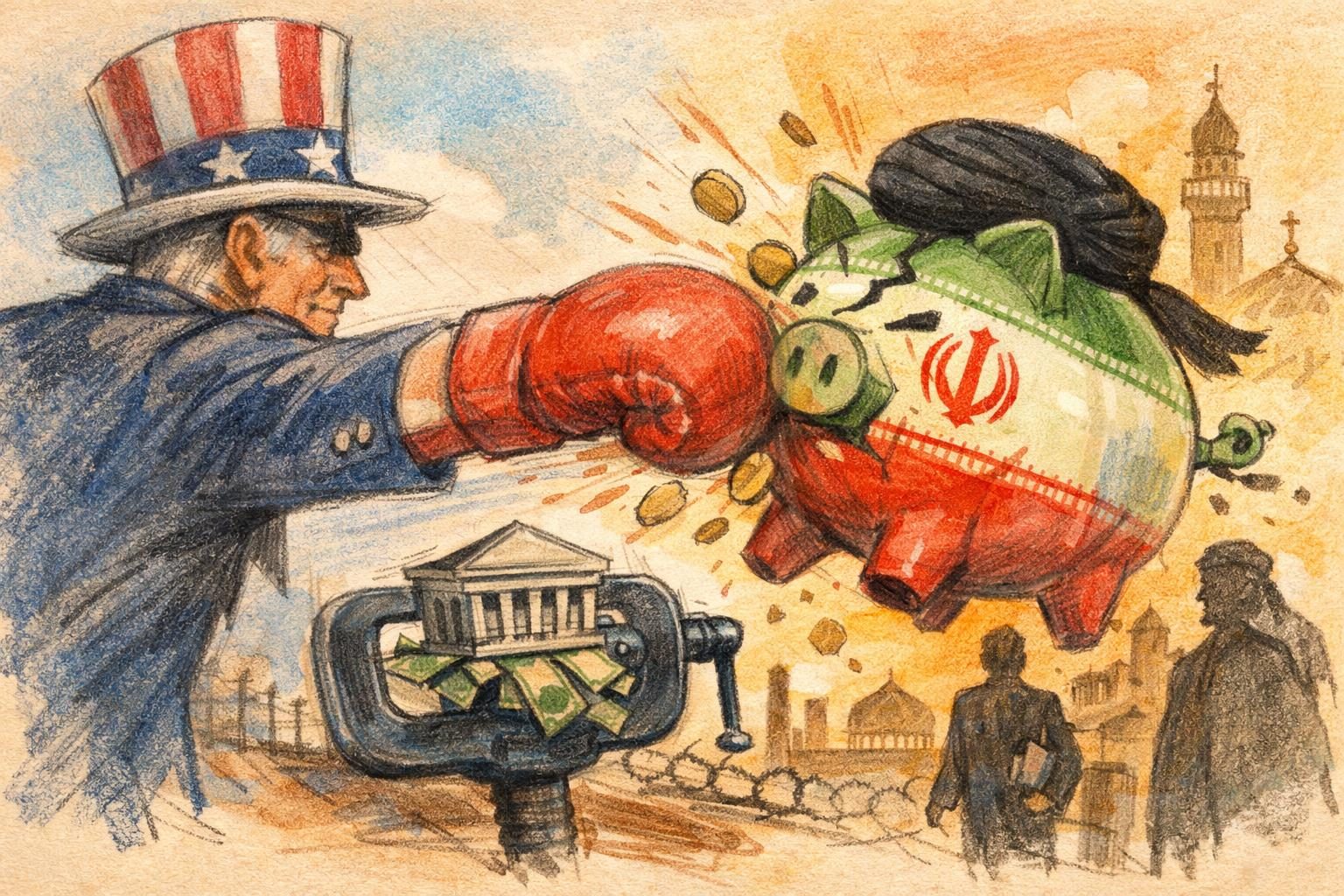
The Treasury Department unveiled another sanctions action on October 15, rolling the latest move into what it is calling Operation Economic Outcast, a campaign aimed at Iran’s financial lifelines and the intermediaries that help move money on its behalf. In practical terms, the new designations target an Iraqi bank and a wider shadow-banking network that Treasury says has been used to route funds through the international financial system for Tehran and its proxy groups. The department framed the action as an effort to choke off revenue streams that keep Iran’s regional operations funded, while also signaling that more designations and related licensing measures could follow. That framing matters because it suggests Treasury is not treating this as a one-off enforcement press release, but as part of a continuing pressure campaign. Even by the standards of modern sanctions policy, the message is blunt: Washington wants to make it harder, slower, and riskier for anyone touching Iranian money to keep doing business as usual.
The new action fits squarely into the administration’s broader reliance on economic coercion as a foreign-policy tool, especially where Iran is concerned. Treasury has increasingly used sanctions not just to punish bad actors, but to shape the behavior of banks, traders, brokers, and foreign institutions that might otherwise accept the legal and commercial risk of handling Iranian-linked transactions. That can have consequences well beyond the entities named in the announcement, because counterparties often respond defensively even before the full secondary effects are clear. Banks in the Middle East and elsewhere are likely to review exposure to the designated network, and some may tighten compliance or step back from transactions that look even remotely connected to Tehran. That ripple effect is part of the point. Sanctions work best, from the government’s perspective, when they do more than freeze assets on paper and instead change how the market behaves around the target.
At the same time, the policy question hanging over any sanctions campaign is whether pressure alone can achieve more than temporary disruption. Treasury can cut off routes, expose facilitators, and raise the cost of moving money, but networks built to evade financial controls often adapt by shifting jurisdictions, changing intermediaries, or leaning harder on front companies and informal channels. That means the immediate significance of this action may be less about an instant collapse in Iranian financing than about the accumulation of friction it creates over time. Each designation can make it harder for the targeted institutions to clear transactions, maintain correspondent relationships, or reassure cautious business partners that they are not stepping into a sanctions violation. Still, the limits are real. Unless the sanctions are paired with a broader diplomatic or security strategy, they risk becoming another layer of pressure that signals resolve without necessarily changing the underlying strategic picture. That tension has long defined U.S. policy toward Iran, and this latest move does not resolve it so much as underline it.
Politically, the announcement gives the White House a familiar kind of leverage: it can claim toughness on Iran without committing to a more overt escalation. Treasury, for its part, can point to a concrete enforcement action rather than a speech or warning, and that distinction matters in Washington, where sanctions are often treated as proof that the government is doing something measurable. The Iraqi bank angle also adds a regional dimension that is likely to draw attention from governments and institutions trying to avoid being caught in the crossfire of U.S.-Iran tensions. If the department believes the bank helped route money for Tehran or its proxies, the implication is that this was not merely a technical compliance problem but part of a larger architecture supporting Iranian influence operations. Even so, the longer-term effect will depend on how aggressively Treasury follows through, how broadly it interprets the network around the designated entities, and whether foreign banks decide the risk of contact with Iranian-linked channels is now too high to justify. For now, the action is a real enforcement step with immediate international consequences, but it is also a reminder that sanctions are only as effective as the pressure they sustain and the political strategy behind them.
Comments
Threaded replies, voting, and reports are live. New users still go through screening on their first approved comments.
Log in to comment
No comments yet. Be the first reasonably on-topic person here.