
Justice escalates California ballot fight with threat of prosecution
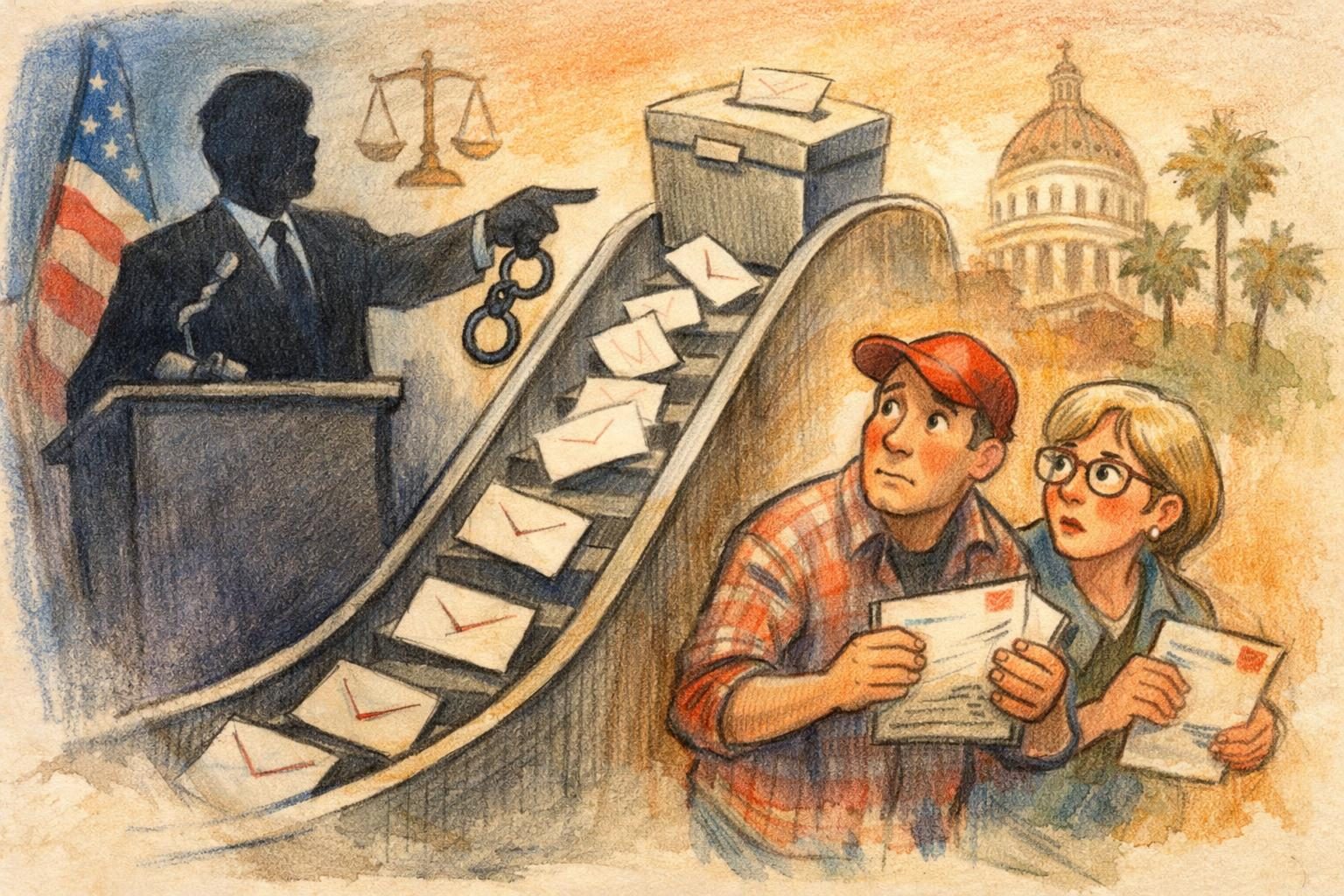
A senior Justice Department official has escalated a dispute over California election administration by warning that state workers could face prosecution if they process ballots associated with people the federal government identifies as suspected noncitizens. The warning adds a new layer of pressure to a fight that was already moving through the courts, and it signals a more confrontational federal posture toward local election officials than many routine ballot disputes ever see. According to the draft account, the threat came after the federal government had already turned the issue into a formal lawsuit, making the timing especially stark. Instead of narrowing the conflict to questions of eligibility, verification, and record-matching, the department appears to have widened the stakes by introducing the possibility of criminal exposure for officials carrying out ordinary duties under state law. That alone is enough to make election administrators pause, because the difference between an administrative challenge and a criminal investigation can reshape how public employees do their jobs.
The sequence is important because it suggests a strategy that is about more than litigation. By pairing a legal challenge with a warning about prosecution, the federal government is signaling that it wants state officials to treat these ballot questions as something far more serious than a paperwork dispute or a clerical mismatch. The letter, as described in the draft, is aimed not at voters but at the workers who handle ballots, process registrations, and administer elections on the ground. Those employees normally operate in a system built around notice, review, and opportunities to correct errors before a ballot is rejected or set aside. Replacing that framework with the possibility of punishment can have a chilling effect even if no charges are ever filed. In practical terms, local officials may become more hesitant, more defensive, and more likely to slow their work in order to avoid becoming the next target of federal scrutiny.
That is why critics are likely to view the move as part of a broader pattern in which the administration uses pressure as a substitute for proof. The government’s language about “suspected” or “likely” noncitizens does a great deal of work here, because suspicion is not the same thing as evidence and a database match is not automatically the same thing as a crime. Election systems regularly rely on imperfect records, mismatched data, and follow-up procedures to sort out questionable cases without undermining valid ballots. The concern raised by this escalation is that the federal government is collapsing those distinctions and treating an unresolved question as though it were already settled. If state workers begin to second-guess lawful ballots because they fear federal retaliation, the result could be confusion, delayed processing, and a new incentive to err on the side of caution even when caution means suppressing legitimate votes. That kind of pressure can be especially corrosive because it does not require an actual prosecution to change behavior; the threat itself may do most of the work.
The political consequences are likely to be immediate and broader than the California case itself. California is a large, heavily watched state, and disputes there often take on national meaning because they can shape talking points, legal strategies, and public perceptions far beyond state lines. The federal government’s decision to escalate the matter this way also feeds a familiar narrative: that Washington prefers confrontation over evidence-based problem-solving when election issues become politically useful. Supporters of the move may argue that the Justice Department is simply enforcing the law and protecting election integrity, but the draft makes clear that the administration is moving aggressively enough to raise alarms about intimidation and overreach. Even if the courts ultimately reject the government’s approach, the short-term effect may still be to increase fear among local officials and deepen public suspicion about the voting process. In a political environment already prone to distrust, that is not a small consequence. It is the kind of action that can outlast the litigation itself, leaving behind a more anxious and less confident electorate long after the immediate legal fight is over.
Comments
Threaded replies, voting, and reports are live. New users still go through screening on their first approved comments.
Log in to comment
No comments yet. Be the first reasonably on-topic person here.