
Federal appeals courts dump a fresh stack of opinions into the political bloodstream
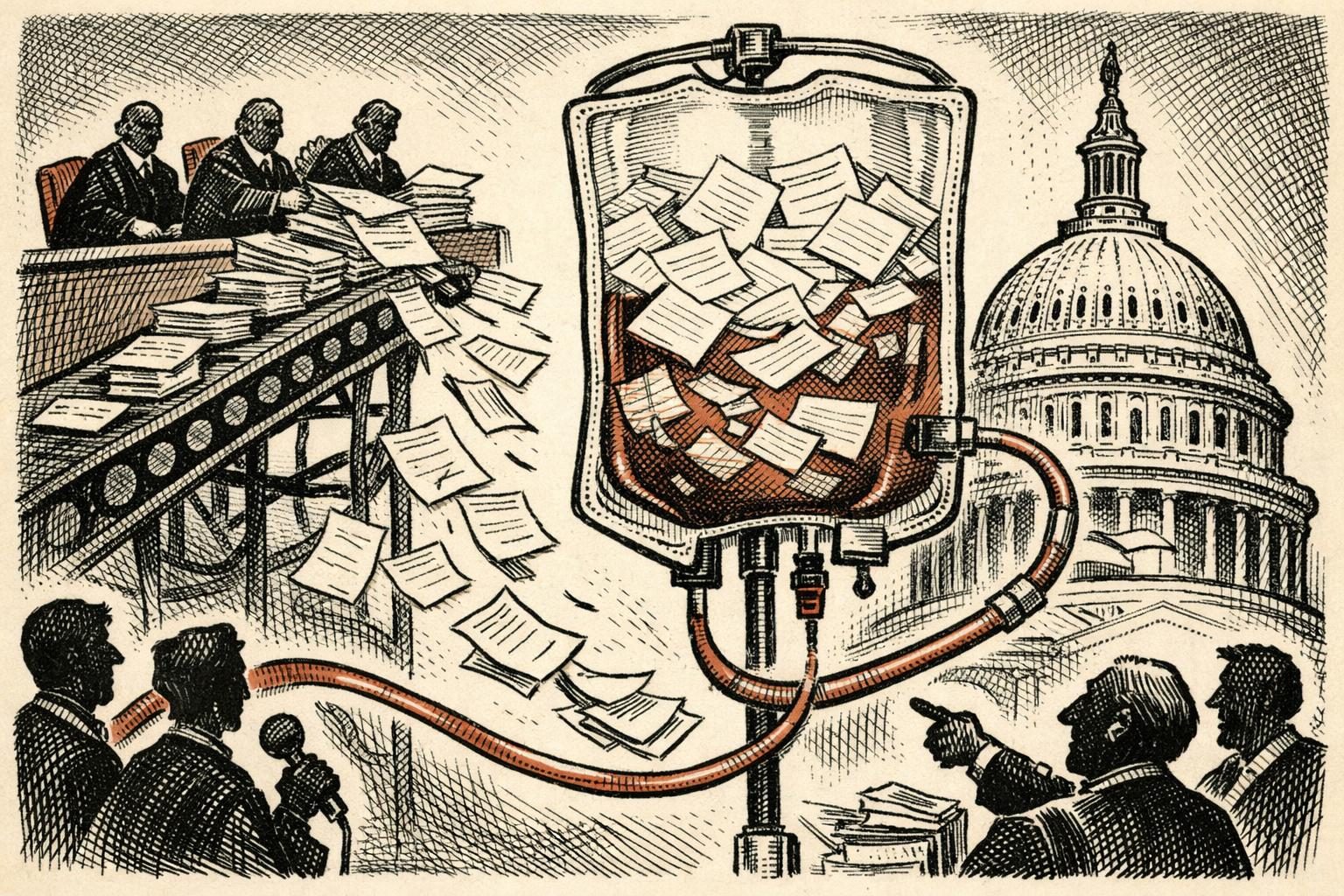
Federal appeals courts spent October 15 and 16 doing what they so often do when the political world is looking elsewhere: they quietly added more opinions to the national pile. The Sixth Circuit’s published-opinions list shows new October 16 decisions in United States v. Antoine Cook and Appalachian Voices v. TVA. The Fourth Circuit posted a new October 15 opinion in Fairfax County School Board v. Linda McMahon. The Fifth Circuit also showed opinion activity across October 15 and October 16. None of that arrives with the theatrical blast radius of a Supreme Court ruling or a presidential order, but it is still the kind of judicial churn that can end up mattering far more than the press-release class would like to admit.
That is because appellate courts are where a great deal of the country’s actual governing gets sorted out after the slogans have faded. These decisions can narrow or expand the government’s practical room to maneuver, uphold a conviction, revive a challenge, or push an agency dispute into a new phase of litigation. When those rulings touch the federal government, immigration, labor, or administrative questions, the effects can reach quickly into policy fights already simmering in Washington and in the states. A ruling that looks procedural at first glance can still change how much money moves, how enforcement is carried out, or whether a regulator keeps the same leverage it had the day before. That is why the court docket matters even when nobody is holding a microphone in front of it.
The late-week appellate activity also fits a broader pattern of legal combat that has become hard to ignore. In a political environment already defined by aggressive executive action and nearly immediate backlash, each new opinion is a possible trigger for the next round of partisan outrage and legal counterpunching. If a court trims agency authority, someone will call it judicial overreach. If it sustains a federal action, someone else will claim the judges are greenlighting a power grab. If it keeps a case alive, the parties are dragged back into the fight for another round, often after months of money and energy have already been spent. The result is a constant churn in which the legal system doesn’t just respond to politics; it helps set the boundaries of what politics can do next. That makes even modest-looking appellate decisions worth watching, especially when they stack up in a short span of time.
For now, the immediate consequences are mostly procedural, but that should not be mistaken for insignificance. Published opinions can alter the posture of ongoing disputes, shape the leverage of agencies and litigants, and influence how quickly a controversy moves to the next stage. They can also hand elected officials new material for speeches about activist judges, runaway bureaucrats, or the need to protect federal authority, depending on who is talking and which side of the issue they happen to be on. The bigger point is that these courts often decide the legal terrain long before the public notices the map has changed. In a year where legal conflict has become a central form of politics, the appellate courts are quietly performing the work of moving boundaries, one opinion at a time. That may not produce instant drama, but it does help determine who gets to claim victory, who has to keep litigating, and what the next political argument will actually be about.
Comments
Threaded replies, voting, and reports are live. New users still go through screening on their first approved comments.
Log in to comment
No comments yet. Be the first reasonably on-topic person here.