
DOJ files voter-fraud charges against 16 noncitizens in a fresh election-crimes push
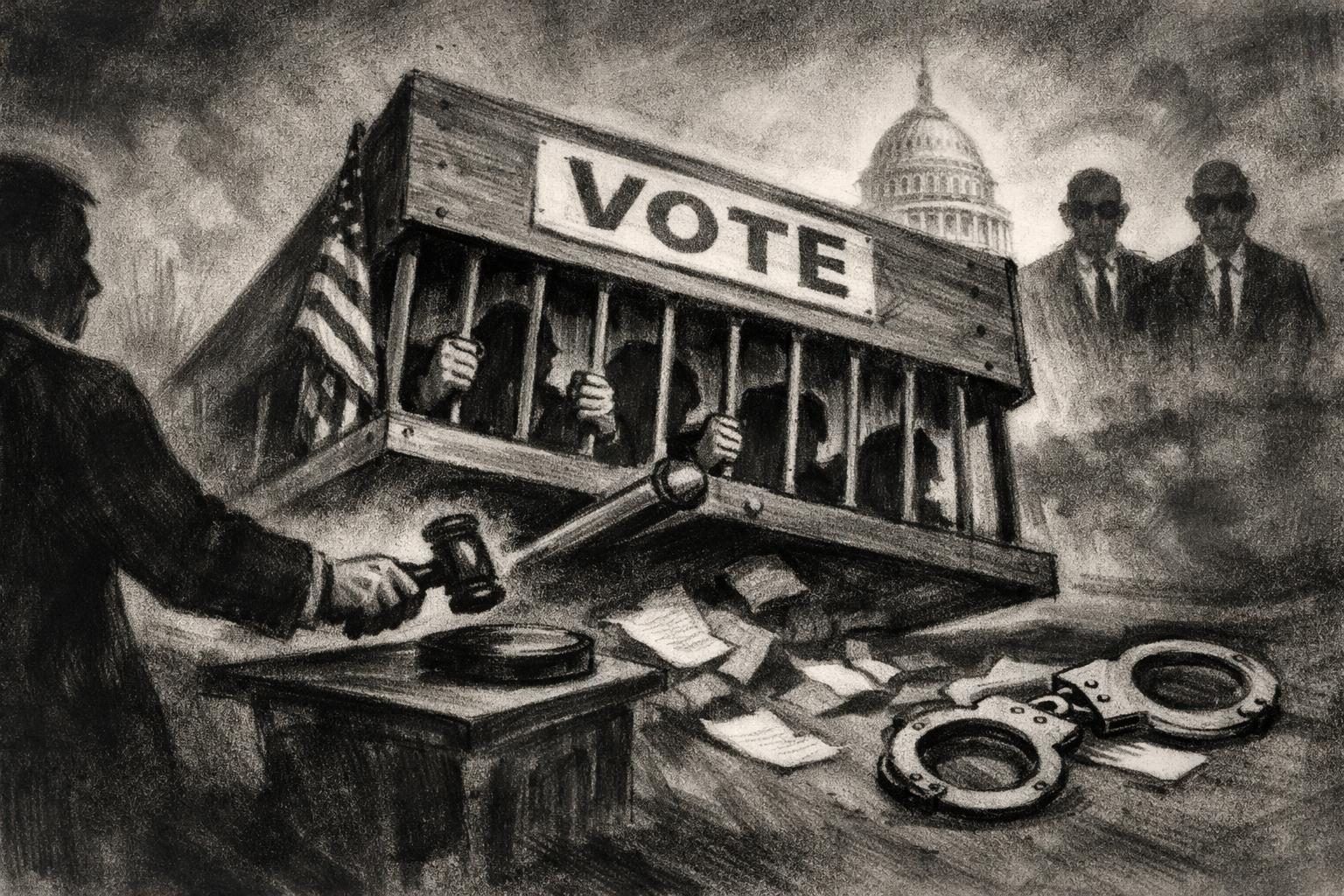
The Justice Department said Friday that it has brought charges against 16 noncitizens in North Carolina, New York, and Idaho in a set of cases involving alleged illegal voting, false claims of U.S. citizenship, and related election offenses. The announcement bundled together different kinds of conduct, from allegedly voting without legal eligibility to making false statements on citizenship-related applications. Federal officials presented the cases as part of a broader warning that election fraud remains an enforcement priority, even as the political conversation around voting rules has shifted into a more openly partisan and constitutional fight. The department’s framing did not leave much room for ambiguity about its intent: this was not just a routine release of criminal allegations, but a public declaration that election integrity remains a front-burner federal issue. That matters because the story lands in a political environment where proof-of-citizenship laws, voter registration systems, and post-2024 confidence in elections are all still being argued over as if the outcome of the last cycle had never settled anything.
The timing gives the announcement extra weight. Election-related prosecutions do not happen in a vacuum, and this one arrives when both parties are still using voting rules as a proxy fight over trust in democratic institutions. Supporters of tighter eligibility enforcement are likely to cite the charges as evidence that the system needs guardrails and that noncitizen voting is a real enough problem to justify aggressive oversight. They will argue that even a relatively small number of cases can have outsized importance because elections depend on public confidence, not just on final vote counts. Critics, by contrast, are likely to say the department is amplifying a narrow set of prosecutions to encourage suspicion about elections, especially when there is no public indication that these cases amount to a sweeping or organized scheme. The truth may be more limited and more political at the same time: these are real allegations, but they are also being deployed in a way that clearly reinforces a larger narrative about voter eligibility and enforcement.
That dual use is what makes the announcement politically potent. The Justice Department is not just describing criminal allegations; it is signaling how it wants the country to think about the boundary between lawful participation and unlawful voting activity. In that sense, the message is as important as the charging decisions themselves. Officials are effectively telling the public that election law is not some obscure corner of the code but a live enforcement area with consequences for anyone who misrepresents citizenship status or votes when they are not eligible. At the same time, the department is inviting a predictable backlash from advocates who worry that high-profile announcements can have a chilling effect on immigrant communities, eligible voters with documentation problems, or local election administrators already operating under intense partisan scrutiny. The cases may be narrow, but the politics around them are not, and that is why the announcement was designed to resonate far beyond the specific defendants named.
The practical fallout is likely to unfold more in statehouses, campaign speeches, and hearings than in the immediate criminal proceedings. Election officials may point to the cases as justification for more verification tools, tighter registration procedures, and expanded coordination with federal authorities. Civil-rights groups are likely to respond that selective enforcement and loud public messaging can distort the public’s understanding of how rare such cases may be relative to the size of the electorate. Lawmakers will probably seize on the announcement to support whatever side they already occupy in the broader debate over access and integrity, which is to say that the facts of the prosecution may matter less in the short term than the political uses made of them. The department’s own language suggests this is not intended to stand alone as a one-day news event, but as one more entry in a longer running campaign to keep election crime in the spotlight. For now, the government has put forward charges, not a verdict, and the allegations still need to be tested in court. Even so, the announcement clearly serves a second purpose beyond the courtroom: it pushes election enforcement back to the center of a national argument that neither party seems eager to let fade away.
Comments
Threaded replies, voting, and reports are live. New users still go through screening on their first approved comments.
Log in to comment
No comments yet. Be the first reasonably on-topic person here.