
DOJ and Labor hit Cloudera with PERM debarment and back pay settlement
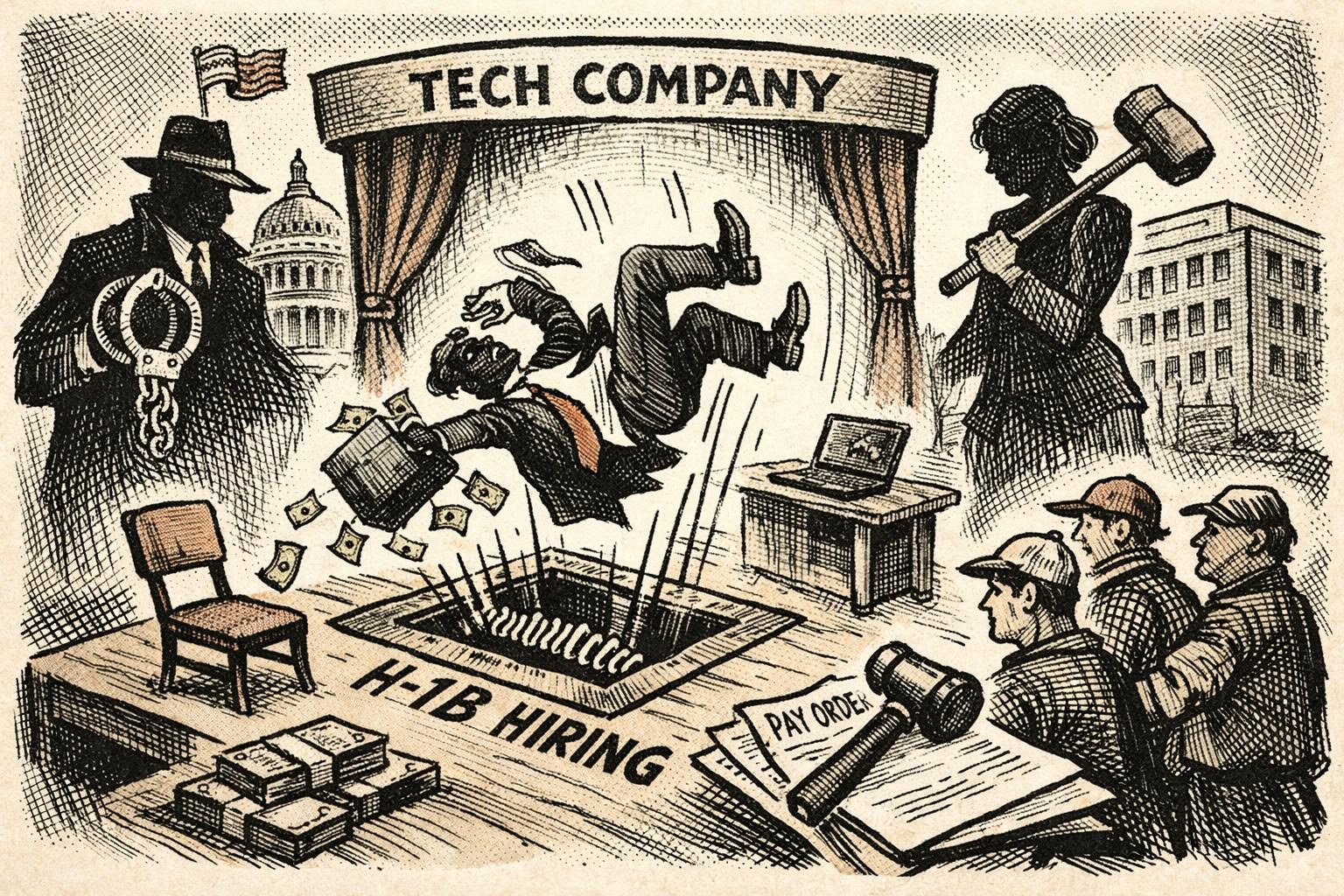
The Justice Department and the Labor Department announced on October 16 that they had reached a coordinated settlement with Cloudera over allegations that the company discriminated against U.S. workers in its permanent labor certification hiring process. The agreement imposes a two-year debarment from the PERM program, requires back pay, and includes additional compliance terms intended to change how the company handles recruitment and labor certification going forward. In practical terms, this is not a symbolic slap on the wrist or a routine paperwork fix. It is a formal enforcement action with consequences that can shape future hiring, legal exposure, and the company’s standing with regulators. For a tech employer, being shut out of PERM filings for two years is a meaningful penalty, because it limits one of the main channels companies use to sponsor foreign workers for permanent residence.
PERM, the Program Electronic Review Management process, is one of the places where labor-market policy and immigration policy meet in a way that can have very real effects on domestic hiring. Employers must certify that there are not qualified, willing, and available U.S. workers for a position before moving ahead with certain immigration sponsorship steps. That requirement is supposed to protect U.S. workers from being displaced by recruiting systems built to favor visa holders or to narrow the field of applicants in ways that are hard to detect from the outside. When the government says a company has crossed the line badly enough to justify debarment, it is signaling more than a technical error. It is saying that the conduct, as alleged and resolved, reflected a structural problem in the hiring process rather than an isolated mistake in filing. That distinction matters because PERM is often defended by employers as a compliance exercise, when in practice it can become a gatekeeping mechanism for who gets access to a job.
The settlement also fits into a broader enforcement pattern in which federal agencies use immigration-linked hiring rules to police discrimination against domestic workers. Companies in the tech sector often present themselves as meritocratic, data-driven, and above old-fashioned labor-market favoritism, yet the enforcement record repeatedly shows how vulnerable those claims can be when recruiting systems are examined closely. A polished hiring workflow can still be designed in ways that favor a smaller pool of candidates, protect preferred visa arrangements, or filter out U.S. applicants without leaving an obvious trace in the final paperwork. That is part of why these cases matter politically as well as legally. Regulators are not just punishing one company; they are trying to send a signal to an industry that has long relied on the idea that compliance can be handled quietly, with little public accountability. A debarment order makes that harder to dismiss because it creates a visible consequence rather than a private correction.
There is also a clear political dimension to the timing and framing of the case. The administration has leaned heavily on worker-protection language while also treating immigration enforcement as a central tool of political power. Those impulses can overlap, especially when the government wants to say it is standing up for U.S. labor while cracking down on corporate behavior that appears to depress domestic opportunities. But the overlap does not eliminate the criticism that enforcement often arrives late, after hiring practices have already shaped the market and after affected workers may have had little recourse. A settlement like this allows officials to claim a concrete win for workers, and that claim is not empty: the penalties are real, and the public record is real. At the same time, the case invites skepticism about how often companies are able to push the envelope for years before a regulator finally draws a bright line. The broader lesson is not that the system works perfectly, but that it occasionally works hard enough to embarrass a powerful employer.
For Cloudera, the immediate fallout is straightforward: reputational damage, added compliance obligations, and a public enforcement history that cannot be easily scrubbed away. The back pay component indicates that the government believed the harm was not just theoretical, and the debarment means the company will have to operate without one of the main tools available to employers seeking to sponsor workers through PERM. Other companies are likely to read the settlement as a warning that the government is willing to use a serious remedy instead of relying only on fines or negotiated promises. Whether that deters abuse or simply encourages more careful camouflage is an open question, but the message is hard to miss. Hiring practices that look neutral on paper can still be unlawful if they are built to disadvantage U.S. workers in practice. In that sense, this case is less about a single company’s paperwork problems than it is about the government’s willingness to treat labor-certification abuse as a real workplace issue with tangible penalties rather than as a niche immigration compliance dispute."}]}
Comments
Threaded replies, voting, and reports are live. New users still go through screening on their first approved comments.
Log in to comment
No comments yet. Be the first reasonably on-topic person here.