
Justice and Education double down on the parents-are-not-terrorists message
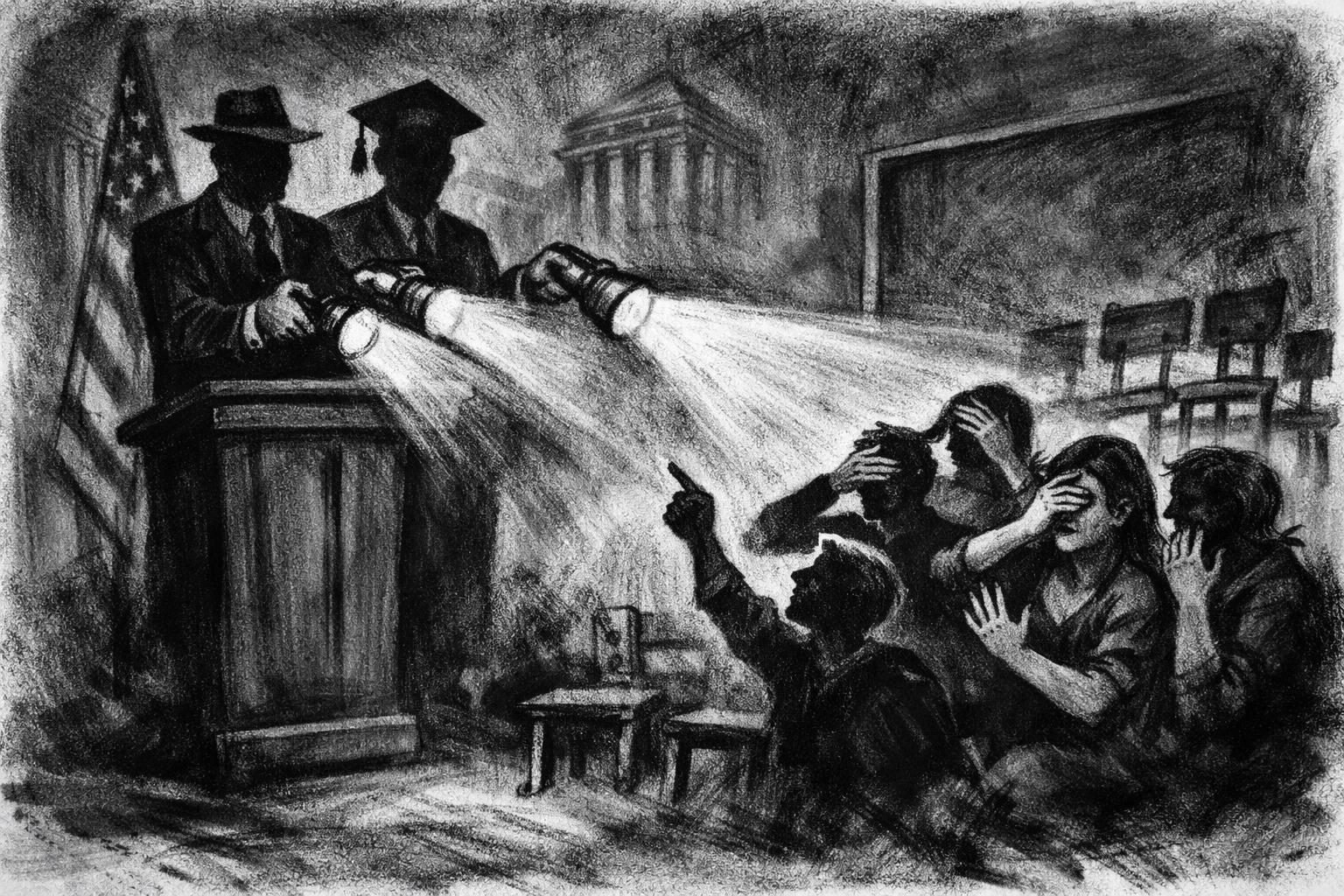
The Justice Department and the Education Department spent October 16 making a point that is, in one sense, simple and in another sense deeply political: parents are not terrorists, and the federal government says they have the right to direct their children’s education. That line was delivered in the form of an official statement, but the message was broader than a routine agency update. It was a public rejection of the Biden-era approach the administration now describes as hostile to parents who protested at school-board meetings or challenged local education policy. The tone was not subtle. It framed the government’s new posture as a correction to what officials see as an overreach, and it did so in language clearly meant to resonate with people who felt dismissed, watched, or smeared in past school fights. In other words, this was not just a bureaucratic note; it was an argument about who gets to define the meaning of dissent in public schools.
The statement fits neatly into a larger effort by the administration to reverse not only policy but also the moral framing of recent education disputes. The previous federal approach, as the new statement portrays it, chilled parental activism by treating angry or disruptive protest as something closer to a security concern than a civic complaint. That is the kind of claim that can be hard to measure in a clean, neutral way, but it matters because federal agencies are now using their authority to declare that the old posture was wrong in both principle and effect. The message is plainly aimed at conservative activists and the school-board protesters who have spent years arguing that the government viewed them as suspects for showing up loudly and forcefully at local meetings. It is also a signal that the administration wants to be seen as the side willing to stand with parents against institutions that, in this telling, overreacted to conflict over curriculum, masks, library materials, and other school-policy flashpoints. Whether that is a necessary corrective or a fresh round of ideological theater depends on where you start, but the administration is not pretending the dispute is small.
There is a practical side to the messaging, too, and that is where the stakes move beyond symbolism. A formal statement from the Justice and Education Departments can shape the way local school systems, administrators, and advocates interpret the current political climate. If the federal government is telling parents they were unfairly targeted before, it may embolden organized pressure campaigns around schools now, especially in districts already accustomed to intense, coordinated conflict. Local officials who once leaned on federal standards or warnings may find themselves with less backing and more exposure when protests turn ugly or disruptive. That does not mean every parent group will behave badly, and it does not mean every objection to school policy is illegitimate. But it does mean the administration is using federal machinery to rebalance the story in a way that could make it harder for school leaders to draw a hard line between protected speech, aggressive protest, and outright intimidation. The risk is not hypothetical: once the government blesses one side of a recurring cultural fight, the downstream effect is often more heat, not less.
The administration’s defenders are likely to say this is overdue accountability, a long-overdue acknowledgment that parents were unfairly smeared during an ugly period of school-board conflict. Critics, by contrast, will see another example of a government spending time and institutional credibility on grievance politics while larger governance problems remain unresolved. Both reactions are predictable, and neither is hard to understand. What is notable here is not just the content of the statement, but the fact that it was issued as a formal public declaration from two major departments, complete with the weight of federal authority behind it. That makes the message more than commentary and more than a press-release reflex. It tells local districts and politically engaged parents what the administration wants them to hear: that the government has chosen a side in the story of who was wronged, who was silenced, and who gets to claim the moral high ground in school disputes. In a year full of federal messaging wars, this one lands exactly where the administration seems to want it to land, with the language of protection wrapped around a very familiar culture-war argument.
Comments
Threaded replies, voting, and reports are live. New users still go through screening on their first approved comments.
Log in to comment
No comments yet. Be the first reasonably on-topic person here.