
Justice Department opens probe into Pennsauken, New Jersey, over gun-permit delays
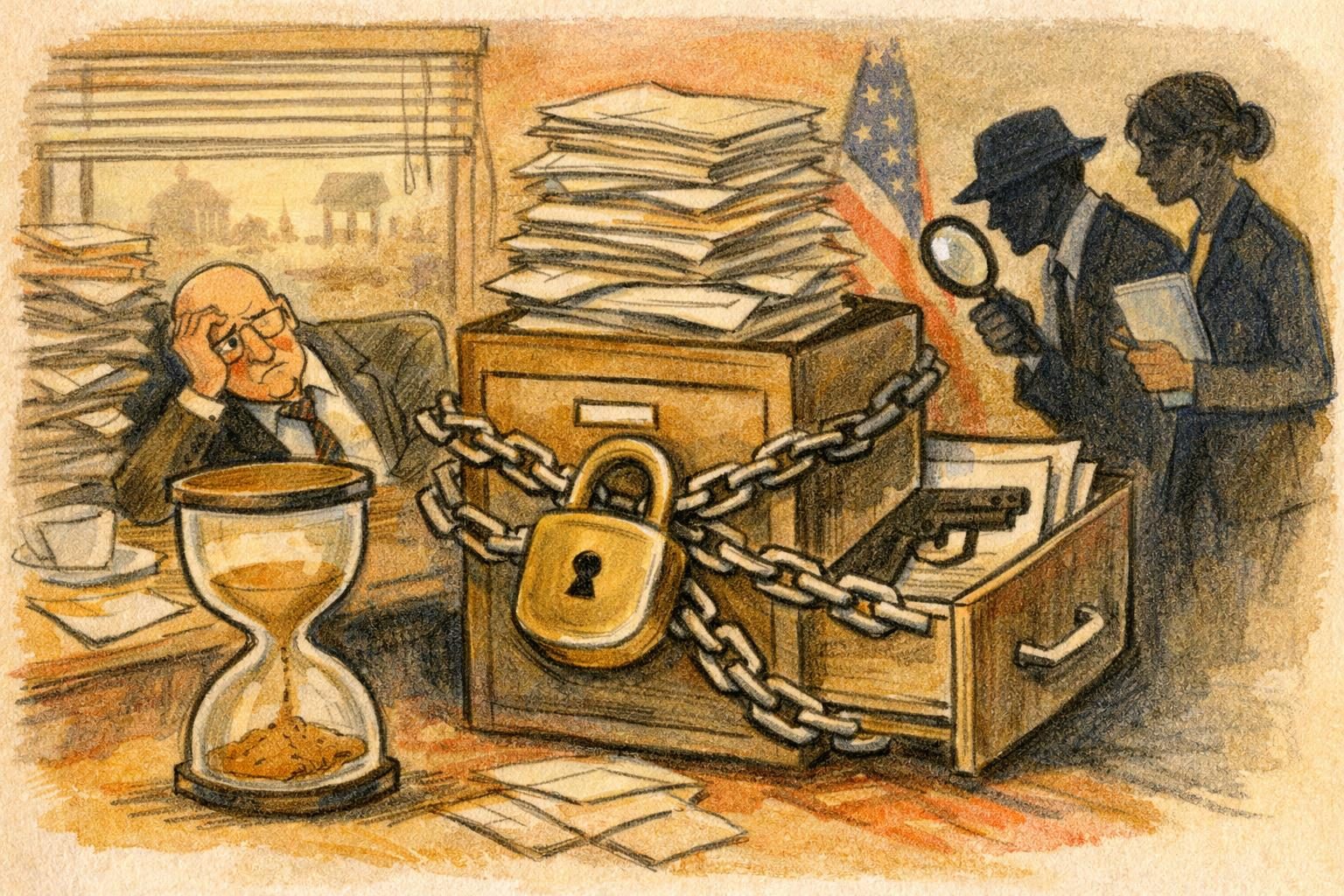
The Justice Department’s Civil Rights Division said on October 16, 2026, that it has opened an investigation into Pennsauken, New Jersey, over whether the township is delaying firearm permits in a way that violates residents’ constitutional rights. The announcement puts a local administrative process squarely in the crosshairs of federal civil-rights enforcement, and it underscores how aggressively the department is willing to test the limits of gun-rights protections. According to the department, the question is not simply whether Pennsauken is moving slowly, but whether the delays are so significant that they effectively block people from exercising the right to bear arms. That framing matters because it turns ordinary permitting complaints into a potential federal rights case. It also signals that the administration is prepared to treat licensing backlogs as more than a mundane bureaucratic problem.
The move is notable not just for what it targets, but for how it reflects the department’s broader approach to civil-rights enforcement. Federal officials have increasingly used the Civil Rights Division to press local governments on issues that sit at the intersection of law, politics, and public administration, and gun permitting has now become part of that landscape. Supporters of the inquiry are likely to argue that the federal government is simply making sure a township does not bury a constitutional right under paperwork, waiting periods, or a sluggish approval process. Critics will likely see something different: a selective and politically charged use of federal power that treats delay as though it were denial, even when the underlying problem could be something less dramatic. That distinction is important, because the cause of a backlog can range from staffing shortages to poor procedures to deliberate obstruction, and those scenarios are not interchangeable. The investigation will need to determine which explanation fits Pennsauken, and whether the township’s practices cross the legal line.
The case also has broader implications for local governments beyond New Jersey. If the Justice Department is willing to scrutinize permit processing speed as a possible constitutional violation, then city and township officials elsewhere may have to worry about similar scrutiny whenever residents complain about slow approvals. That could lead to faster processing and more careful recordkeeping, which some advocates will welcome as a way to keep governments accountable. But it could also push municipalities to prioritize speed over review, especially if local officials fear that any delay could become evidence in a federal investigation. In practical terms, that creates pressure to resolve applications more quickly even where additional checking might normally be considered prudent. It also raises the possibility that federal civil-rights enforcement will increasingly be used to shape the mechanics of local gun policy, not just its overt restrictions.
For now, though, the department has only opened an investigation, and that is an important limit on what can be said with confidence. No finding has been announced, and the facts needed to determine whether Pennsauken’s process amounts to unlawful interference are not yet public. Still, the opening of the case is itself a message. It tells local officials that federal prosecutors and civil-rights lawyers are willing to examine the pace and structure of gun-permit administration as a constitutional issue, not just an administrative one. It also reinforces the sense that gun policy remains one of the clearest battlegrounds for the current Justice Department, which appears ready to use civil-rights tools in ways that will energize gun-rights supporters and irritate those who view the department as eager to pick ideological fights. Whether the inquiry ends in a finding of misconduct or simply exposes a broken bureaucracy, it has already added another layer to the national dispute over who gets to define the boundaries of the right to keep and bear arms, and how quickly government is required to honor it.
Comments
Threaded replies, voting, and reports are live. New users still go through screening on their first approved comments.
Log in to comment
No comments yet. Be the first reasonably on-topic person here.