
Justice Department rolls out another voter-fraud sweep, but the evidence still looks narrower than the rhetoric
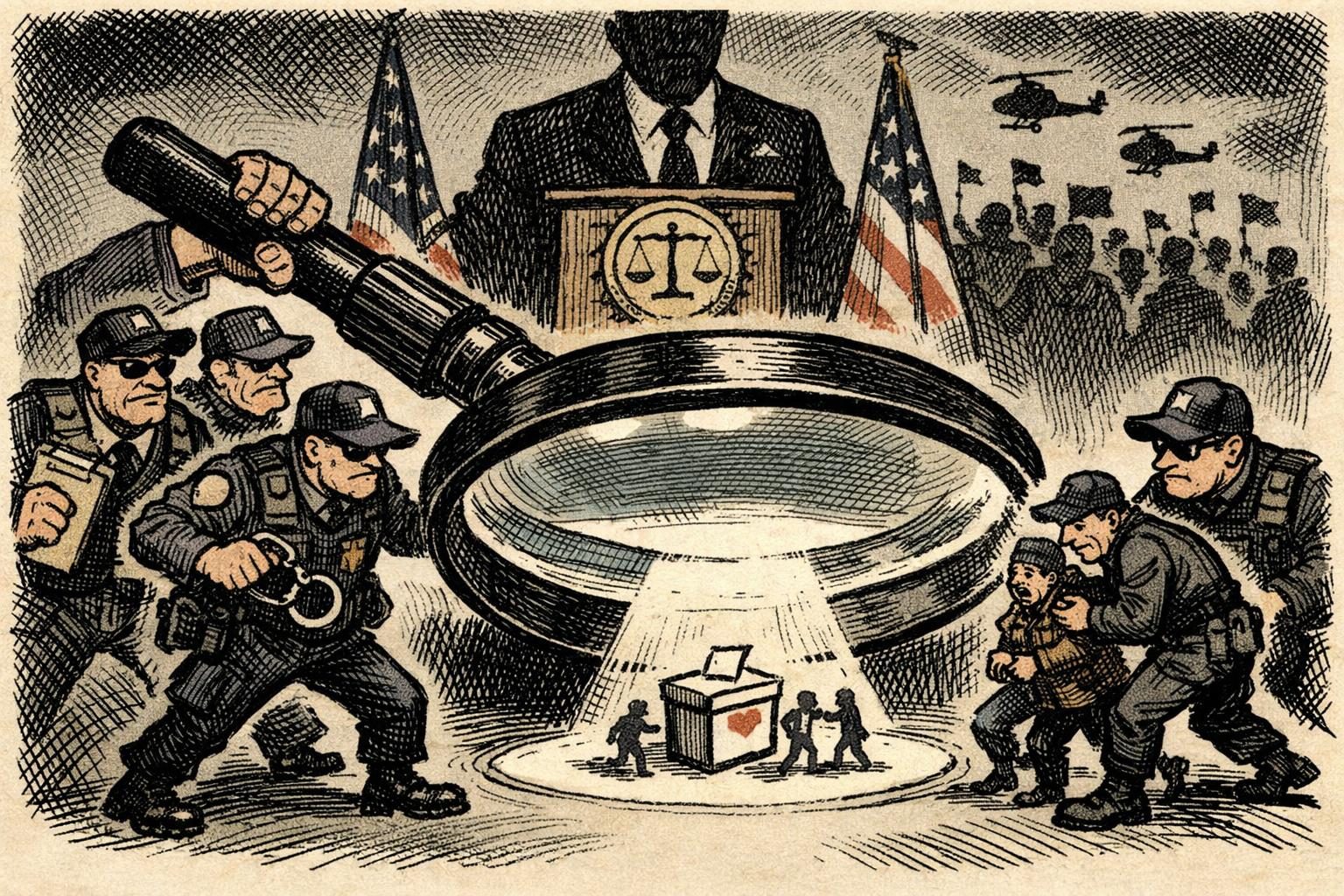
The Justice Department opened another front in its campaign to spotlight election fraud on Friday, announcing charges involving 16 people in North Carolina, New York, Idaho and several other states in cases tied to alleged illegal voting, false claims of citizenship and related registration violations. On paper, the announcement is straightforward: prosecutors say they have identified defendants whose conduct crossed legal lines in connection with elections and voter registration. In practice, the rollout is also political theater, timed to reinforce a larger warning from the administration that noncitizen voting and related abuses are a serious threat to election integrity. That warning has become a central part of the White House’s broader message heading into the midterms. What is missing, at least from the public record so far, is evidence that these cases add up to anything close to the sweeping pattern officials keep implying.
That gap between the rhetoric and the proof is the key tension in this latest enforcement push. The department can point to actual criminal charges, and it is not unusual for prosecutors to pursue isolated cases when investigators believe they have enough evidence of unlawful voting or false registration information. But individual prosecutions are not the same thing as a national fraud scheme, and the public announcement did not supply evidence of a broad coordinated effort undermining elections at scale. The administration has repeatedly tried to cast election administration as a system under siege, using prosecutions and investigative steps as proof that a larger crisis is unfolding. Yet the cases announced Friday, like many similar election-related charges, still appear to be discrete matters involving specific defendants and specific alleged conduct. That makes them important in a criminal-law sense, but far short of proving the sweeping narrative being sold to the public.
The timing matters because the department’s announcement landed immediately after the administration escalated a confrontation with California over mail ballots allegedly linked to people federal officials describe as “likely” noncitizens. That fight fit neatly into the administration’s broader effort to dramatize the danger of unlawful voting and to present federal officials as the last line of defense against compromised election systems. Critics of the approach will see the Friday charges as part of the same strategy: highlight a set of real but limited cases, then use them to justify a much larger political argument about the integrity of American elections. Civil-liberties groups and voting-rights advocates are likely to argue that this kind of messaging creates suspicion without establishing scale, and that it risks turning routine election administration into a permanent emergency. State and local election officials, meanwhile, are left with the difficult task of explaining that prosecutions of individual bad actors do not automatically mean the system itself is broken.
That does not make the cases trivial. If prosecutors can prove that people voted illegally, made false statements about citizenship or committed related registration offenses, those charges deserve to be taken seriously and handled through the courts. But the public should be careful about the leap from criminal complaints to sweeping claims about widespread fraud, especially when officials presenting the cases are also making broader arguments about the legitimacy of election systems. The Justice Department is plainly trying to project force, competence and vigilance, and from a communications standpoint the move works: it generates headlines, feeds the administration’s preferred storyline and gives supporters more evidence that federal authorities are acting aggressively. The harder question is whether the evidence actually supports the bigger story line. So far, the answer remains no. The department has shown that some unlawful conduct can be prosecuted. It has not shown that those cases amount to proof of a widespread voter-fraud problem large enough to justify the panic framing now attached to them.
Comments
Threaded replies, voting, and reports are live. New users still go through screening on their first approved comments.
Log in to comment
No comments yet. Be the first reasonably on-topic person here.