
FBI and CISA warn election officials about cyber tricks aimed at the midterms
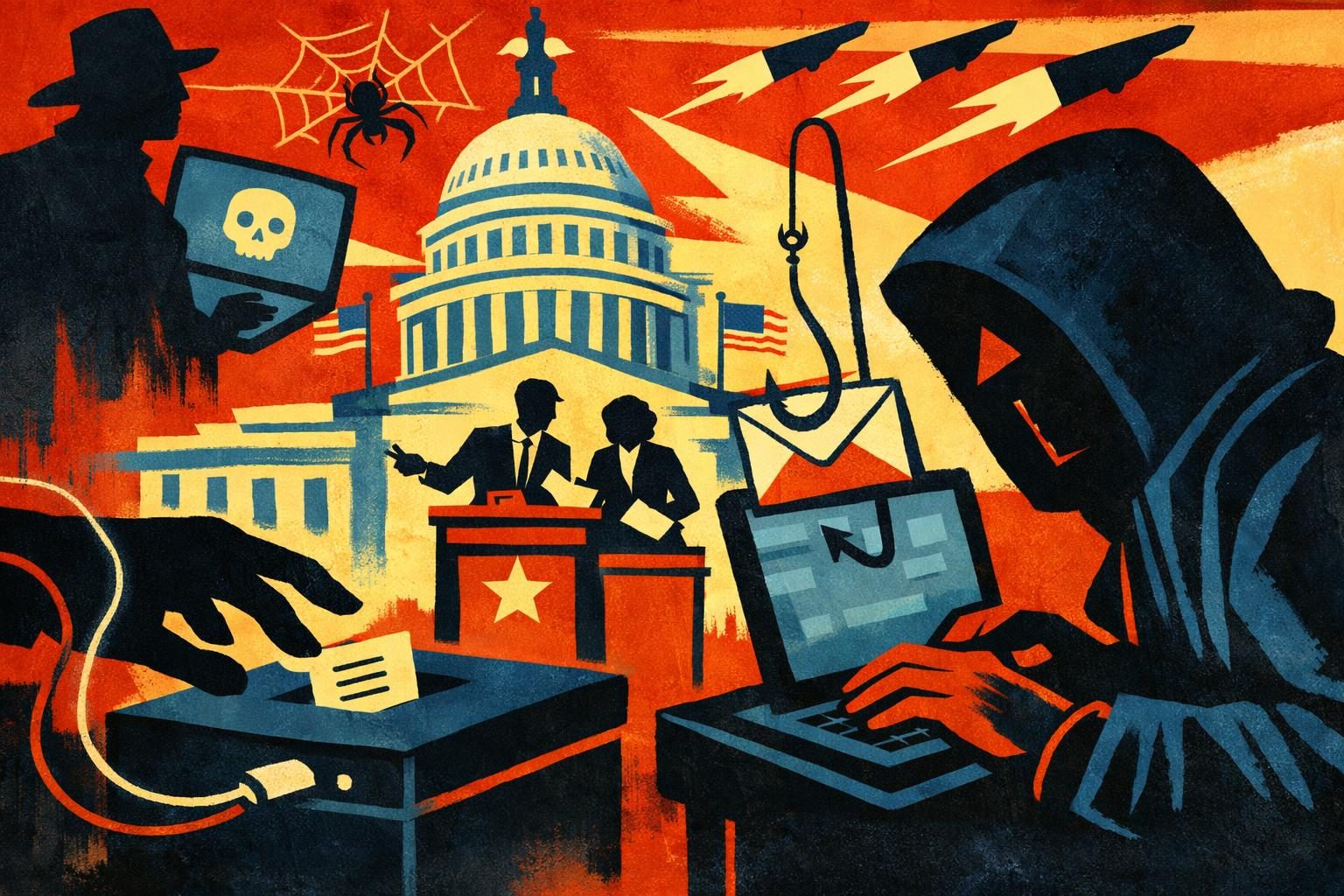
Federal cyber officials are once again telling election workers to assume that the messages landing in their inboxes are not what they seem. On October 16, the FBI and the Cybersecurity and Infrastructure Security Agency issued a public warning about cyber threats aimed at election and campaign staff ahead of the 2026 midterms. The advisory says malicious actors are using phishing, impersonation, scams, and related digital tricks to reach people who may have access to voter information, campaign systems, or government networks. That may sound mundane, but the warning reflects a basic reality of modern election security: the weak point is often not the voting machine or the database, but the human being asked to click, reply, reset a password, or open a file. In practice, this means election protection now stretches far beyond the polling place and into email accounts, cloud services, and the awkward habits of overworked staff who are juggling too many alerts at once.
The point of the advisory is not that a single spectacular breach is imminent. It is that the people who want to interfere with elections do not need a flashy exploit if they can simply trick someone into opening the door. Phishing emails can be aimed at campaign aides, county election workers, vendors, volunteers, or anyone else who has access to systems that matter. Impersonation tactics can make a message look like it came from a trusted colleague, a technical support team, or a government office. Scams can be layered into ordinary administrative work so that a rushed employee does not notice the danger until after the damage is done. That approach works especially well in campaign environments, where budgets are tight, staffing is thin, and cybersecurity expertise is often an afterthought rather than a dedicated function. The advisory is effectively a reminder that the easiest route into a sensitive system is still often the one that starts with a polite-looking email and ends with someone making a bad judgment call.
The broader significance of the warning is that election security is now inseparable from the information chaos surrounding American politics. Federal officials are trying to stay ahead of a threat environment where election denial, misinformation, foreign interference, and increasingly realistic AI-generated content all feed into the same confusion. A convincing fake message does not need to be technologically sophisticated if the target is already distracted, skeptical, or expecting some kind of emergency. That is one reason these warnings keep arriving year after year: campaigns and election offices remain attractive targets because they are central to the democratic process and often less protected than the systems they support. The government is not describing a panic moment here, but it is clearly signaling that the midterm cycle will be contested on digital terrain as much as on the airwaves or at the ballot box. For local and state officials, the message is that election defense now includes endpoint security, access controls, staff training, and a healthy suspicion of any request that involves credentials or money. For everyone else, the warning is a reminder that the bad actors do not always need to break into the system if they can persuade someone to hand over the keys.
There is also a practical political angle to all of this, because warnings like this tend to do double duty as both caution and leverage. State and local election offices can point to the advisory when they ask for resources, tighter permissions, outside help, or simply the authority to slow down a process until they are sure it is legitimate. That matters in a system where security upgrades are often negotiated across multiple layers of government, and where staff who are already overloaded are expected to do more with less. The federal message also carries a kind of low-grade institutional honesty: officials are admitting that the threat is persistent, familiar, and likely to intensify as the midterms approach. There is no dramatic arrest attached to the bulletin, no single culprit being named, and no public claim that a specific attack has already succeeded. But that absence is part of the point. The danger here is diffuse, repetitive, and easy to underestimate, which is exactly why these advisories keep appearing. If the warning prompts even a few offices to slow down, verify requests, or lock down accounts before trouble starts, it will have done its job. In a political year this vulnerable, that kind of unglamorous prevention may be the difference between a manageable scare and a much bigger mess.
Comments
Threaded replies, voting, and reports are live. New users still go through screening on their first approved comments.
Log in to comment
No comments yet. Be the first reasonably on-topic person here.