
Federal Circuit dumps a fresh batch of opinions into the litigation firehose
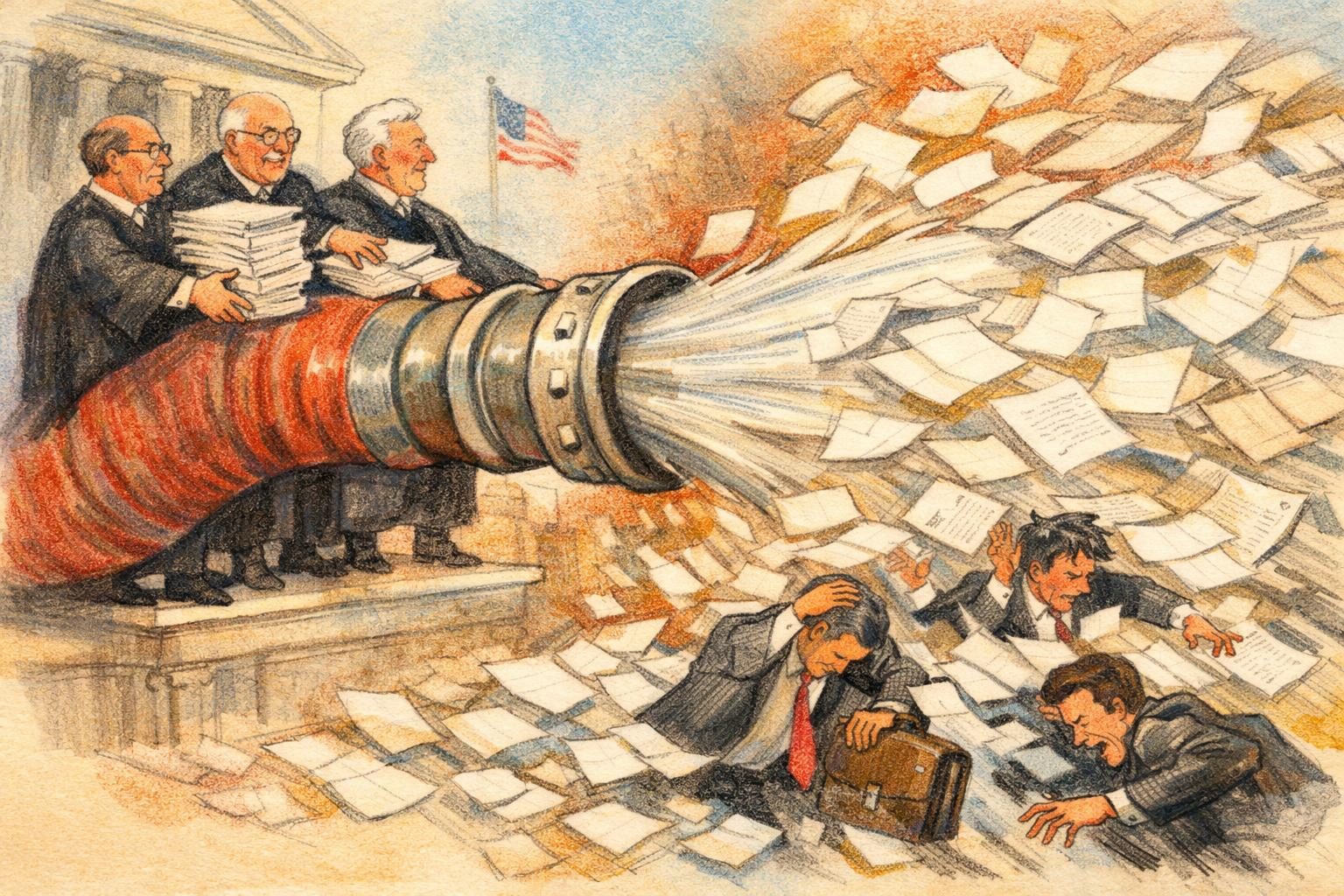
The U.S. Court of Appeals for the Federal Circuit added another round of opinions and select orders dated October 16, 2026, feeding fresh material into one of the most consequential corners of the federal legal system. On its face, that may sound like the kind of procedural update only lawyers and a few policy obsessives would bother to notice. In practice, though, the Federal Circuit is where a large share of disputes over patents, government contracts, trade issues, and administrative authority eventually land, which means its output can shape real-world outcomes far beyond the courtroom. A new batch of decisions does not automatically produce a dramatic political story, but it does mark a concrete change in the ongoing machinery that decides who gets leverage, who gets delayed, and who gets to keep pressing a claim. In a government where litigation has become one of the main tools of governance, even routine appellate activity is part of the political landscape. That is especially true when the disputes involve industrial policy, federal procurement, and the boundaries of agency power, because those are the arenas where law and policy overlap most visibly. The court’s latest docket move is therefore not just a housekeeping update; it is another reminder that a great deal of modern policymaking happens through judicial calendars and written orders rather than speeches or press events.
The Federal Circuit matters so much because it sits at the end of a pipeline that often determines whether federal action survives, gets narrowed, or gets dragged into years of additional uncertainty. When companies challenge procurement decisions, when patent holders fight over exclusive rights, or when litigants contest the legal reach of a federal agency, the appellate stage can determine whether a policy survives intact or gets trimmed down in ways that change its practical effect. That is why a set of opinions dated October 16, even without a single blockbuster headline attached to it, still deserves attention in an update about the federal political environment. The court’s work can alter bargaining power for agencies, contractors, manufacturers, and other players trying to shape the next phase of a dispute. It can also affect whether a contested federal program moves forward quickly or gets slowed by new legal obstacles. In that sense, the court is not merely resolving technical disputes after the fact. It is participating in the broader struggle over how aggressively the federal government can act and how much room private parties have to resist or redirect that action. Because the source material points to newly posted opinions and select orders rather than a single dramatic ruling, the safest reading is that this is a procedural and institutional development with potentially significant downstream effects, not a claim that any one case has already rewritten policy.
The broader significance lies in the volume and direction of the federal legal system, which has become increasingly important as a battleground for industrial policy, trade disputes, and administrative control. In a less polarized era, a court posting fresh opinions might have been treated as a niche event. But in the current environment, where federal agencies are regularly met with challenges from regulated industries, public-interest litigants, and competing political forces, the release of appellate decisions can have immediate strategic value. Lawyers use these rulings to argue over what the law now means, agencies use them to justify or defend their decisions, and businesses use them to decide whether to comply, settle, appeal further, or wait for a better opening. That makes the release of opinions and orders a kind of signal, even when the details of each case are highly technical. The important point is not that every new Federal Circuit filing has broad national consequences. The important point is that the accumulation of such decisions gradually sets the boundaries of what federal power can do in practice. A procedural win here, a remand there, a limited order elsewhere, and the practical shape of regulation, procurement, or patent enforcement can shift in ways that are visible only after the fact. That is why this sort of update belongs in any serious account of how policy power is exercised in Washington. It is not flashy, but it is foundational, and it often matters more than the public realizes.
There is no single villain and no easy ideological script here, which is part of why this remains a lower-severity item than more explicit political fights. Still, the fact that the Federal Circuit keeps generating live disputes on a specific date is itself politically relevant because it underscores how much of the modern state runs through litigation rather than legislation. The immediate effect of the court’s October 16 output is straightforward enough: the parties involved now have new decisions to study, cite, challenge, or build around. Some of those rulings may narrow the options available to agencies or contractors; others may strengthen them. Some may simply move disputes to the next stage without resolving the underlying fight. That uncertainty is exactly why these postings matter. They are not isolated legal curiosities. They are part of the ongoing contest over who gets to define the practical limits of federal authority in areas that affect money, technology, property, and public power. In that sense, the court’s work is a reminder that the real politics of the federal system often happens far away from campaign rallies and floor speeches. It happens in case captions, docket entries, and appellate opinions that may look dry but can still decide who wins the next round of a much larger fight. The latest Federal Circuit batch does not settle any of those battles on its own, but it does keep the litigation firehose running, and in the current environment that alone is enough to matter.
Comments
Threaded replies, voting, and reports are live. New users still go through screening on their first approved comments.
Log in to comment
No comments yet. Be the first reasonably on-topic person here.