
New immigration fees kicked in, because of course they did
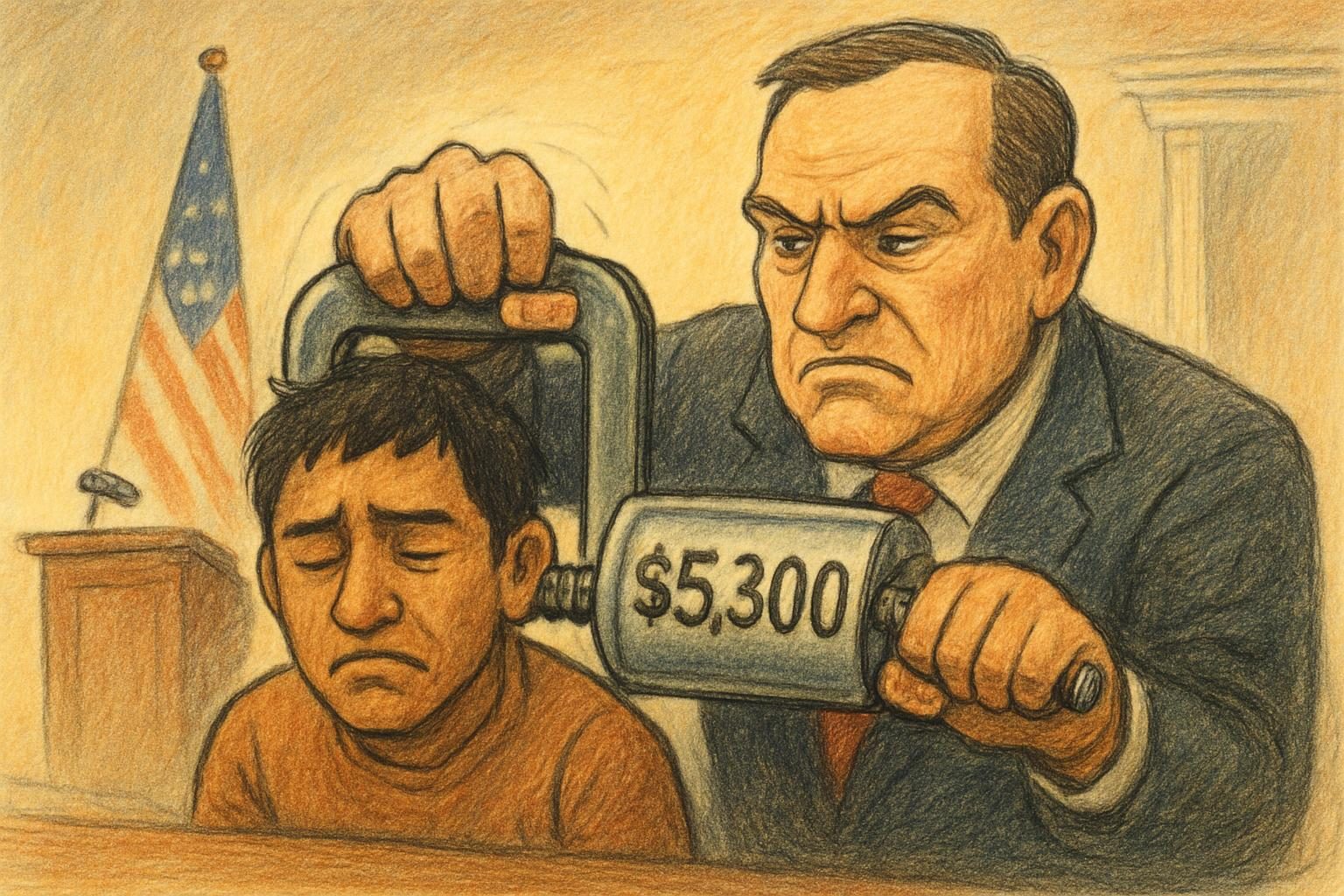
The federal government has started collecting a fresh round of immigration-related fees, and the timing could hardly be more on-brand for an enforcement regime that treats human desperation like a billing opportunity. As of October 16, new charges tied to recent statutory changes and inflation adjustments took effect across parts of the immigration system, including a $5,300 fee for certain people ordered removed in absentia. On paper, the changes are presented as technical updates, the sort of dry administrative housekeeping that gets buried in Federal Register notices and ignored by anyone who is not paid to read them. In practice, they are anything but technical. They are the kind of line-item policy shift that reaches directly into the pockets of people already trapped in a system that is expensive, confusing, and often hostile by design.
The most eye-catching figure is the $5,300 charge attached to some in absentia removal orders, but the broader point is not one number. It is the way the government keeps layering costs onto a process that already punishes people for missing deadlines, lacking counsel, failing to understand paperwork, or simply being unable to keep up with an immigration machinery that seems to assume endless time and money. A fee increase may sound modest in the abstract to people who do not have to live with it, but for many families it can decide whether they can challenge a government action, file an application, or even remain inside the process long enough to get a hearing. That matters because money is not just money in immigration court. It is access, delay, leverage, and survival. When the government raises fees, it is not merely collecting revenue. It is quietly reshaping who gets heard and who gets pushed out.
That is why the policy choice reads as more than a budgetary adjustment. It reflects a model of enforcement that relies on financial pressure as much as legal force, turning deterrence into a billing structure and cruelty into a fee schedule. Supporters of the approach may argue that higher charges discourage abuse, recover administrative costs, or restore seriousness to a system that has been overwhelmed for years. Those arguments may play well with politicians who like to talk about control while ignoring the people caught underneath it. But the practical effect is easier to see than the talking points. The system becomes more expensive, more punitive, and more likely to sort people by ability to pay rather than by the merits of their case. That is a familiar feature of American bureaucracy, but in immigration it carries especially harsh consequences because the stakes are so high and the margins for error are so small.
The administration keeps describing this kind of hardline enforcement as order, efficiency, and seriousness. Yet the mechanism it is choosing is a web of notices, charges, deadlines, and penalties that multiplies the cost of compliance while increasing the risk of failure. That may satisfy the political appetite for a tougher posture, but it also invites the same practical problems that have long dogged immigration enforcement: more confusion, more disputes, more legal challenges, and more allegations that the government is using process itself as punishment. The new fees are not just a reminder that the system is getting more expensive. They are a reminder of what kind of system this is becoming. If the goal is to make enforcement feel harsher, the government appears to be succeeding. If the goal is fairness, due process, or even basic administrative clarity, this is another step in the wrong direction. And for the people most exposed to these charges, that is not a policy debate. It is a bill they have to figure out how to pay, or a barrier they have to figure out how to cross.
Comments
Threaded replies, voting, and reports are live. New users still go through screening on their first approved comments.
Log in to comment
No comments yet. Be the first reasonably on-topic person here.