
Democrats and allies hit Education Department over minority-serving-school funding shuffle
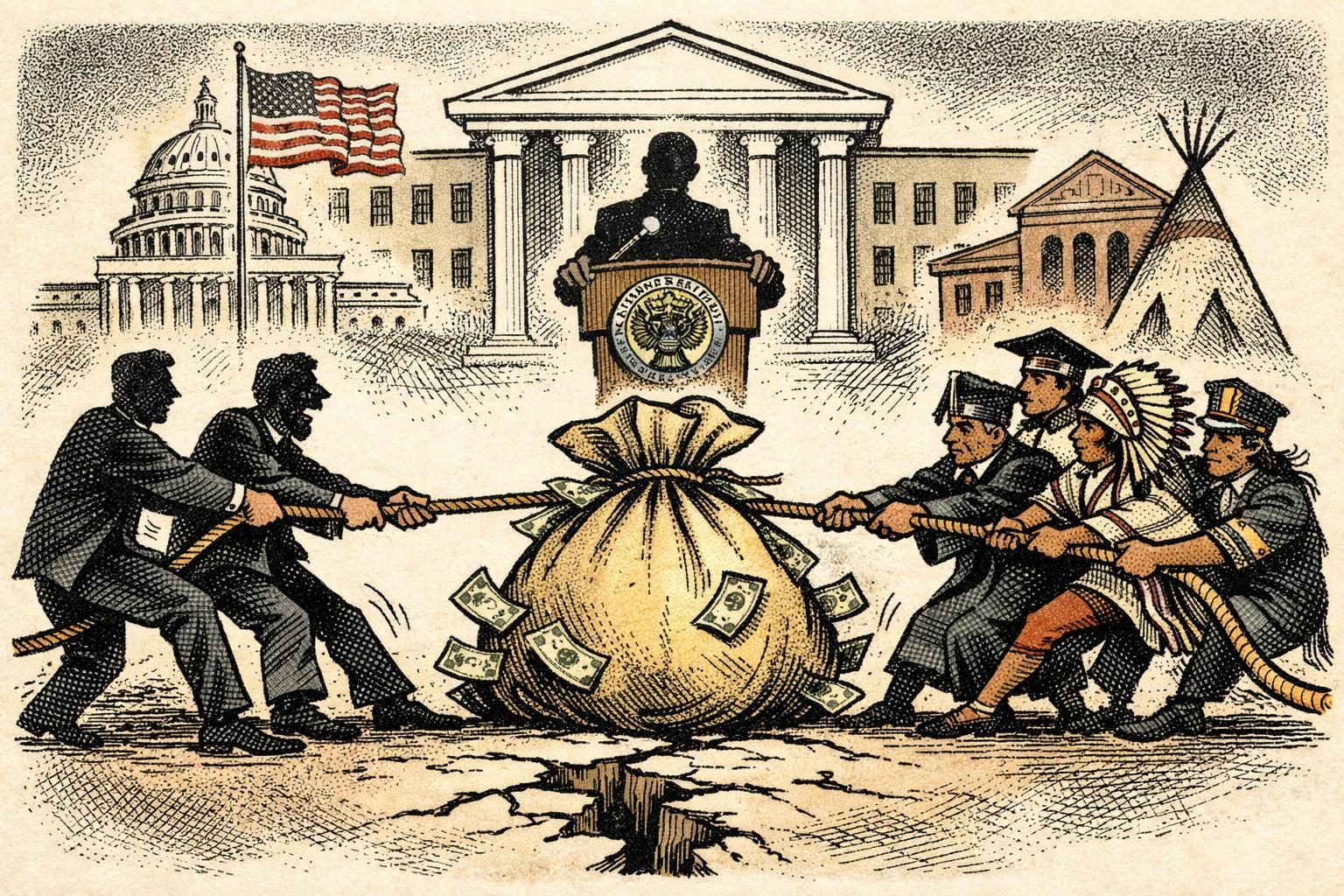
A bicameral coalition of Democrats and allied lawmakers is escalating its fight with the Education Department over what it says is an unlawful reshuffling of money meant for minority-serving institutions. In a letter sent Oct. 16 to Education Secretary Linda McMahon, the group accused the administration of moving funds Congress had already directed to specific purposes and then recasting the decision as a helpful gesture to certain schools. The lawmakers say that framing is not just misleading, but an attempt to turn a spending fight into a political talking point. At issue is whether the department can take money that was appropriated for one set of institutions and redirect it somewhere else after Congress has already spoken. The dispute is shaping up as both a policy battle and a test of the limits of executive power over federal education funding.
The lawmakers’ complaint centers on minority-serving institutions, a category that includes historically Black colleges and universities, tribal colleges and other schools that serve large numbers of students from groups historically underserved by higher education. Those institutions often depend on federal grants that are written into the budget with specific eligibility rules and program goals. According to the lawmakers, the administration did not merely adjust spending priorities within a broad program. They argue it moved money that had been set aside for one purpose and then used the reallocation to claim it was supporting some schools while effectively stripping resources from others that had been promised the funds. That distinction matters because Congress routinely fights over how education dollars are divided, and because minority-serving institutions tend to sit near the center of those disputes. The lawmakers’ message is that the department cannot cherry-pick winners and losers after the appropriation process is over and still pretend to be following the law.
The political edge of the criticism is just as sharp as the legal one. The letter portrays the move as a glossy public relations exercise dressed up as support for historically Black colleges, tribal schools and other institutions that are popular symbols in education politics. But the lawmakers say the administration’s version of support came at the expense of other minority-serving institutions that expected to receive the money Congress had already approved. That has given civil-rights advocates, higher-education groups and appropriators a ready-made argument that the administration is pitting vulnerable schools against one another for optics. The strategy, if that is what it was, risks alienating multiple constituencies at once: schools that believe they were cut out, lawmakers who guard Congress’s spending authority and advocates who see the move as another example of the administration trying to control the narrative while changing the substance of the policy. Even for a White House and department accustomed to confrontation, this is the kind of fight that can linger because it combines budget authority, race-conscious education policy and institutional trust in one package.
There is also a larger separation-of-powers issue lurking beneath the immediate funding dispute. The lawmakers’ letter suggests that the department may have crossed a line by effectively rewriting Congress’s choices through administrative maneuvering. If that argument proves persuasive, it could become a clean exhibit in future litigation over impoundment-style tactics, spending authority and the extent to which an agency can repurpose money once it has been appropriated. If the administration can do this here, critics will ask, what stops it from doing the same in other policy areas where it dislikes Congress’s instructions? If the legal case fails, the department still may have created a political mess by turning a narrow grant decision into a broader controversy over fairness, process and credibility. Either way, the episode is likely to feed an already familiar clash over whether the executive branch is treating congressional appropriations as binding law or as a suggestion to be revised when convenient.
For now, the controversy is likely to keep spreading beyond the original letter. Higher-education advocates are expected to press the department for a clearer accounting of how the money was moved and why the administration believed it could do so. Appropriators on Capitol Hill have their own reasons to object, since budget power is one of the few tools Congress has to enforce its priorities on agencies. The Education Department may try to defend the shift as an allowable administrative decision or a necessary correction, but the optics are already working against it. When lawmakers accuse an administration of using support for one set of schools as camouflage for cutting another, the burden shifts quickly from messaging to justification. And with minority-serving institutions already under pressure from rising costs and uncertain federal support, even a temporary funding shuffle can look less like a technical adjustment than a political choice with real-world consequences.
Comments
Threaded replies, voting, and reports are live. New users still go through screening on their first approved comments.
Log in to comment
No comments yet. Be the first reasonably on-topic person here.