
DOJ settles its Lexington police pattern-and-practice case, which is a fancy way of saying the feds found a mess
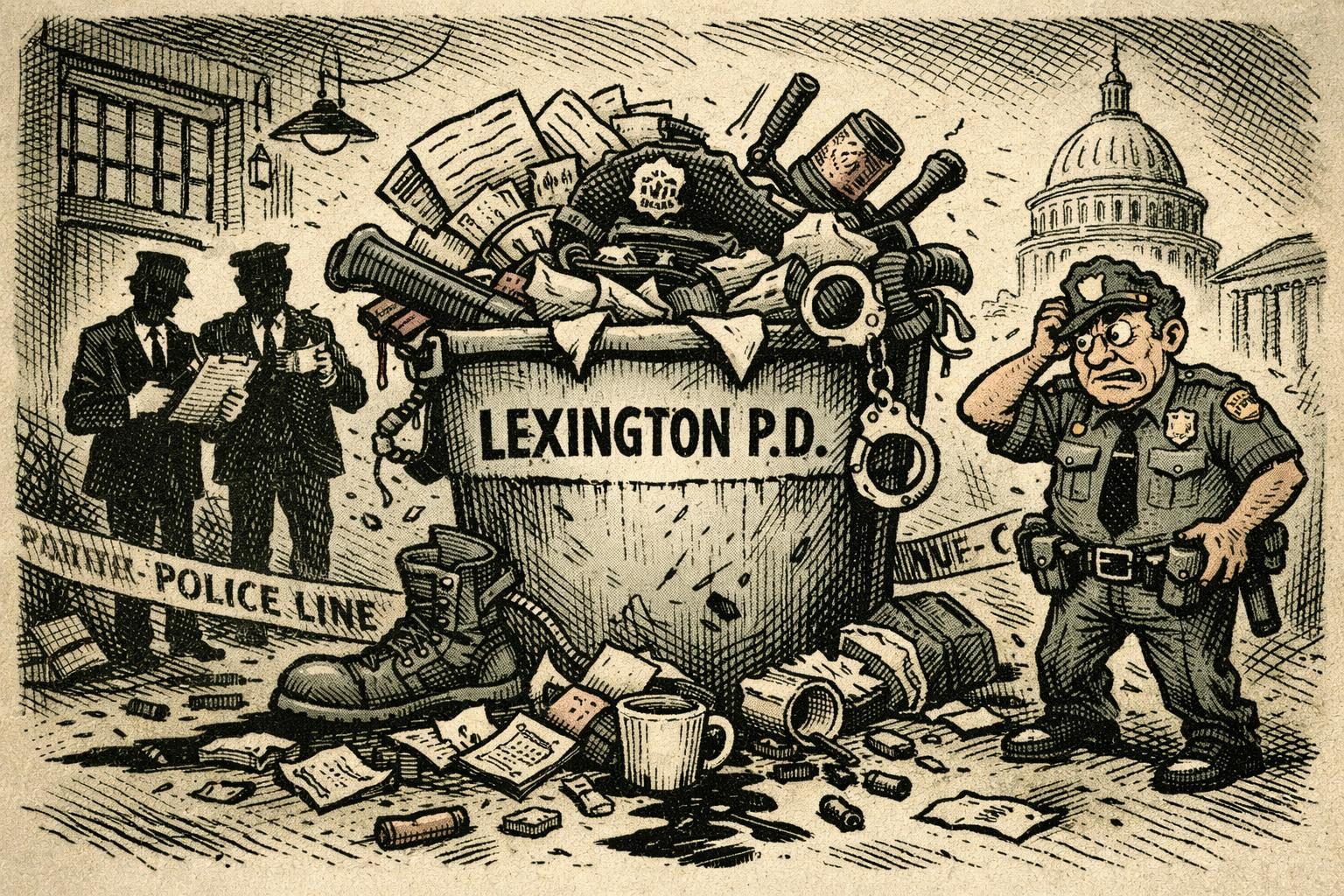
The Justice Department said on October 16 that it had reached a settlement agreement with the City of Lexington, Mississippi, to resolve what federal officials described as a pattern or practice of unlawful policing by the Lexington Police Department. In plain English, that means the department believes the problems were not isolated mistakes by one officer or one shift, but recurring practices baked into the way the agency operated. The agreement covers a broad list of issues, including fines and fees, bail and release criteria, conflicts of interest, stops, searches, arrests, use of force, and reporting and review practices. That scope matters because it suggests the federal government did not see a narrow policy defect, but a system with multiple pressure points where residents could get trapped, fined, searched, or arrested without adequate safeguards. The settlement comes after an investigation that began in 2023 and followed a findings report released in 2024, which means the legal and factual groundwork has been building for some time rather than arriving as a sudden surprise.
The city’s decision to settle does not erase the seriousness of the underlying allegations, and it does not read like a routine housekeeping measure. Pattern-or-practice cases are among the most significant civil-rights tools the Justice Department has for policing local law enforcement, precisely because they are supposed to address conduct that is repeated, structural, and resistant to ordinary internal discipline. When the federal government reaches a settlement in one of these cases, it is effectively saying that it has enough evidence to force change without taking the matter through a full trial. That can spare years of litigation, but it also places the department’s conclusions squarely in the public record. In this case, the breadth of the agreement suggests federal investigators identified problems across several phases of police-citizen contact, from the first stop to the back-end paperwork that determines whether people are released, cited, fined, or held. The result is not just a policy memo; it is a formal obligation for Lexington to remake how its police department functions.
That kind of settlement can have real-world consequences far beyond the legal language. If the agreement is implemented seriously, Lexington will likely have to revise training, rewrite procedures, tighten supervision, and build better review systems for stops, searches, arrests, and the use of force. It may also have to confront how fines and fees were being imposed and whether financial penalties were being used in ways that created conflicts, distorted incentives, or burdened residents unfairly. Bail and release practices are another sensitive piece of the picture, because small municipal systems can cause large harms when they treat release decisions as a revenue issue instead of a constitutional one. Federal oversight can be annoying, expensive, and politically toxic for city leaders, but those costs are part of the point: the government is trying to make sure the old habits do not simply reappear under a new set of forms. Residents who have long felt overpoliced often view these agreements as belated validation, while police defenders sometimes argue that Washington is imposing a one-size-fits-all model on local officers. Both reactions are predictable, but the existence of the settlement itself indicates the Justice Department believed Lexington’s practices crossed a line it could not ignore.
The broader political meaning is just as important as the legal one. Civil-rights enforcement against police departments has always moved in waves, depending on the administration, the evidence, and the federal appetite for taking on local resistance. What makes this case notable is that it shows the machinery still exists to convert complaints, data, and investigative findings into an enforceable federal settlement, even at a moment when public debate about policing often swings between calls for reform and backlash against oversight. Lexington now has to live with the consequences of a federal investigation that started years ago and culminated in a public agreement that will likely shape local policing for the foreseeable future. The city has, in effect, been put on notice that the government believes the problem was structural and that the fix has to be structural too. Whether the reforms work will depend on how seriously local officials carry them out, how aggressively the federal government monitors compliance, and whether the department can prove that the old problems have actually been reduced rather than renamed. For now, the settlement stands as a blunt reminder that misconduct cases do not always end with headlines and outrage; sometimes they end with a binding agreement, a long checklist of reforms, and a city that must persuade everyone watching that it can finally do better.
Comments
Threaded replies, voting, and reports are live. New users still go through screening on their first approved comments.
Log in to comment
No comments yet. Be the first reasonably on-topic person here.