
Nevada DOJ office rolls out election-integrity plan right as early voting starts
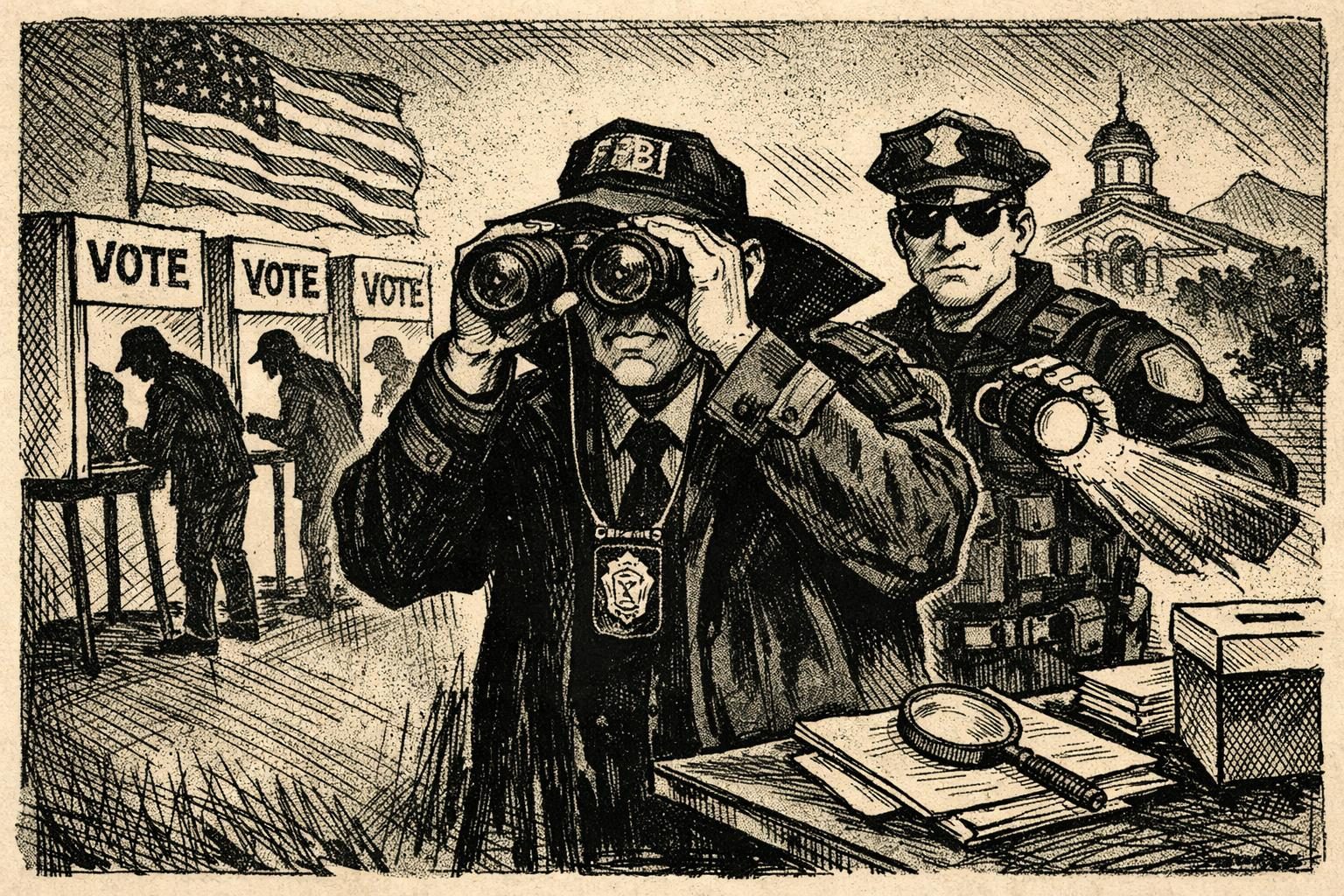
The Justice Department’s U.S. attorney office in Nevada said Friday that it is rolling out a statewide election-integrity plan for the 2026 general election just as early voting gets underway, putting federal attention on the state’s voting process at the exact moment ballots start moving. In practical terms, the office says the plan will include heightened monitoring of election-related complaints, closer attention to possible fraud, and faster coordination with other parts of the department and law-enforcement partners if problems arise. That combination of timing and language is what makes the announcement stand out. Election administration is often noisy in a presidential year, but a federal office stepping in with a formal oversight plan at the start of early voting sends a message that the government expects trouble, or at least wants to be seen preparing for it. The office framed the move as a straightforward protection effort, emphasizing that voters should have confidence that their ballots will be counted and that their rights will be respected. Even so, the announcement lands in a political environment where the phrase “election integrity” can reassure one set of voters while instantly setting off alarms in another.
The department said its Nevada office will coordinate with the Civil Rights Division and with law-enforcement partners to oversee the process, a structure that suggests the plan is meant to cover both access issues and potential criminal conduct. That is a fairly standard federal pitch on paper, because election offices routinely ask voters to report intimidation, interference, discrimination, or other violations through official channels. The difference here is the emphasis. The announcement does not read like a sleepy reminder to be fair and follow the rules; it reads like a deliberate signal that the federal government is watching closely and is prepared to act. That kind of posture can be useful if there are real attempts to suppress votes, harass poll workers, or interfere with lawful voting. It can also create a heavier atmosphere around the process, particularly if voters hear a lot about fraud before anyone has shown that fraud is actually a serious problem. The office did not present evidence of widespread wrongdoing, and that matters, because in election politics perception often travels faster than proof. A government can insist it is simply being cautious while still shaping public expectations in a way that makes suspicion feel normal.
Nevada is a fitting place for this kind of announcement because election administration there is closely watched, often litigated, and routinely folded into national political arguments long before the votes are counted. The state has long been a target of competing narratives about ballot security, turnout, and trust in the system, which means any federal intervention will be read through a partisan lens whether officials want that or not. In that setting, a “comprehensive” integrity plan is not just an administrative document; it becomes part of the political weather. Supporters are likely to describe it as a responsible guardrail, a sign that the Justice Department is serious about protecting lawful voting and making sure the process is clean. Critics are more likely to see an effort to elevate fraud claims at precisely the moment early voters are heading to the polls, which can have the effect of priming the public to doubt outcomes before they happen. The office’s message is that voters should use official reporting channels if they see irregularities or civil-rights violations, a sensible instruction that is difficult to argue with in the abstract. Still, the broader framing matters, because when officials lead with the language of enforcement, they can make routine civic participation feel like a monitored event instead of a normal democratic act. That is especially true when the public already expects election disputes to be loud, slow, and politically weaponized.
For now, the most immediate effect of the plan is political rather than legal. The office has put federal weight behind the idea that Nevada’s election needs extra vigilance, and that alone changes the tone of the early-voting period. If the department uses the plan narrowly and evenhandedly, responding to credible complaints and protecting voters without overreach, it may end up looking like routine public-safety work that mostly fades into the background. If it becomes selective, theatrical, or reactive to partisan pressure, it will look very different: another example of federal officials using the machinery of enforcement to project strength while feeding the suspicion that the system is already compromised. That is the tension baked into election policing in the United States, where the same vocabulary can describe either genuine protection or an atmosphere of intimidation depending on how it is deployed. The Nevada office is betting that a hardline public stance will read as seriousness and deterrence rather than interference. Whether that holds will depend less on the announcement itself than on what the office actually does over the course of early voting and Election Day. For now, it has changed the conversation by making federal oversight part of the campaign narrative, and once that happens, the line between safeguarding democracy and policing it gets a lot thinner than officials tend to admit.
Comments
Threaded replies, voting, and reports are live. New users still go through screening on their first approved comments.
Log in to comment
No comments yet. Be the first reasonably on-topic person here.