
Puerto Rico gets a new interagency fraud task force as Washington keeps chasing taxpayer theft
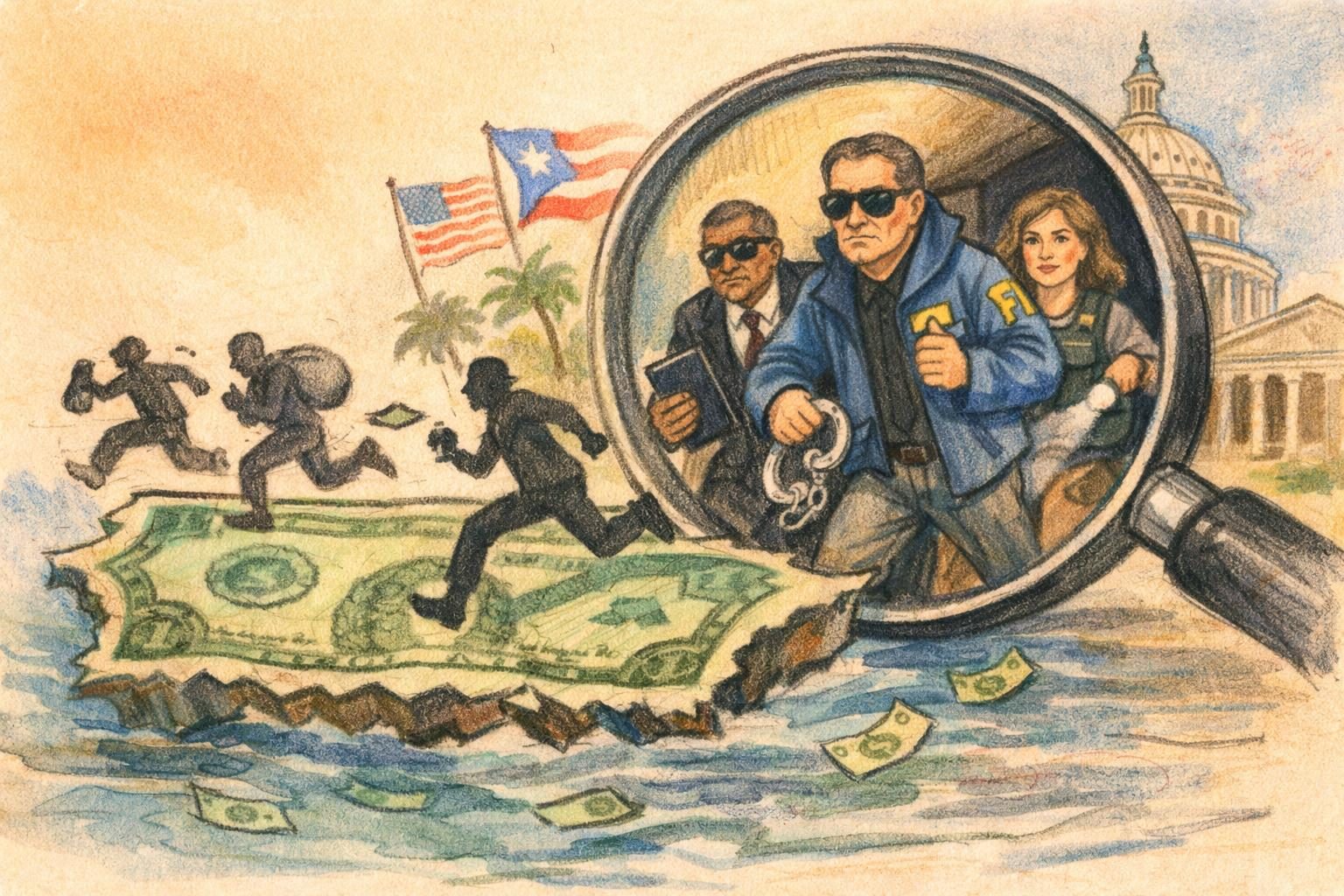
Federal officials in San Juan used October 16 to announce a new Puerto Rico Interagency Fraud Enforcement Task Force, a coordinated effort aimed at fraud against government programs and the taxpayers who finance them. Acting U.S. Attorney Héctor Ramírez Carbó framed the move as a practical response to a problem that clearly has not gone away, and the timing suggests Washington wants the public to see fraud enforcement as both urgent and organized. The creation of a task force is not just a symbolic flourish; it is a new institutional structure with a stated mission and a clear federal-local coordination role. That makes this a real development, not merely another speech about being tough on waste, abuse, and theft. It also fits neatly into the government’s broader habit of responding to scandal and suspected misuse by creating more layers of anti-fraud machinery.
The details matter because Puerto Rico is not starting from a blank slate when it comes to fraud enforcement. The island has long been vulnerable to schemes involving public money, federal benefits, recovery funds, and programs that are difficult to police from afar. Weak administrative controls, complicated bureaucracy, and the aftermath of repeated emergencies have all created openings that bad actors can exploit. A task force can help only if it improves the flow of information among agencies, speeds up case referrals, and gives investigators a clearer path from suspicion to indictment. If it is staffed by people with real authority and enough time to do the work, the new arrangement could strengthen detection and recovery efforts in a meaningful way. If it is under-resourced or becomes another committee in name only, then it will mostly serve as evidence that Washington knows how to announce seriousness even when it struggles to deliver it.
That tension is what gives the announcement its political and practical significance. Federal law enforcement often tries to present these launches as proof that the government is finally getting ahead of fraud, but the public has heard that tune before. Task forces are easy to declare and harder to measure, especially when the real question is not whether the agencies have met in the same room but whether the cases that follow are stronger than the ones they would have pursued anyway. The government can always point to a press event, a coalition name, and a promise of coordination, but taxpayers will eventually care more about prosecutions, convictions, forfeitures, recoveries, and the prevention of repeat abuse. This is why the announcement lands as both encouraging and mildly self-incriminating. It says the machinery is being improved, but it also implies the machine needed improvement because the fraud problem is still large enough to justify extra architecture.
The criticism, such as it is at this stage, depends on what happens after the ribbon-cutting mood fades. A serious anti-fraud effort would eventually show whether the task force focuses on the biggest and most harmful schemes or drifts toward the easiest cases, the ones most likely to produce clean headlines without much structural impact. Good-government advocates and skeptical taxpayers alike will want to see whether the new setup produces measurable results rather than administrative theater. They will also want to know how federal, territorial, and local authorities divide responsibility, share evidence, and avoid stepping on one another’s investigations. For now, the creation of the Puerto Rico Interagency Fraud Enforcement Task Force is a legitimate current event because it establishes a new enforcement framework on the current date. It is useful, possibly overdue, and certainly revealing: Washington believes fraud is serious enough to merit another coordinated strike, which is either a sign of resolve or a confession about the scale of the theft it is still trying to chase.
Comments
Threaded replies, voting, and reports are live. New users still go through screening on their first approved comments.
Log in to comment
No comments yet. Be the first reasonably on-topic person here.