
Trump freezes his own Russia sanctions and hands critics a fresh gift
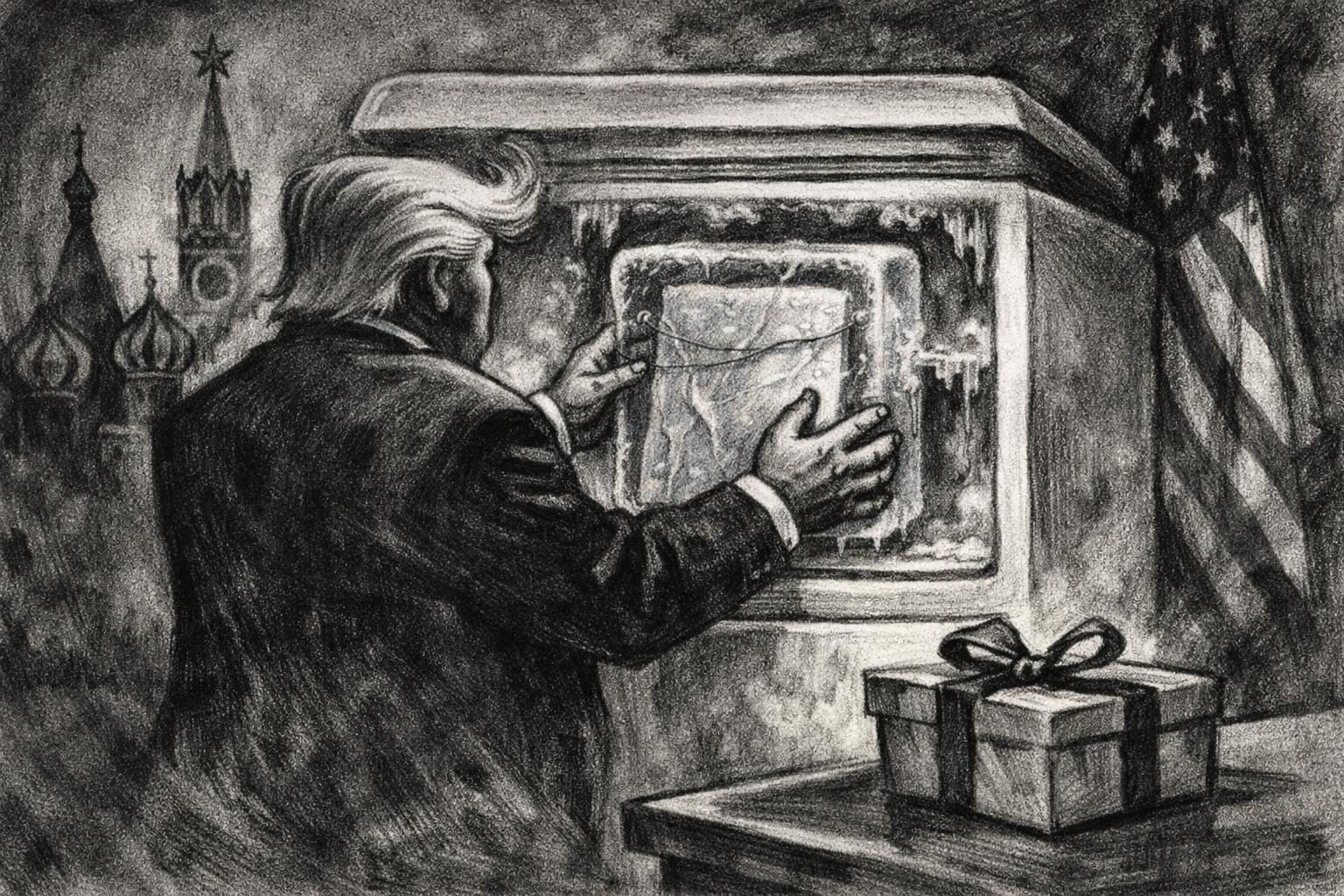
President Donald Trump has put himself in the awkward position of signing a Russia sanctions package and then immediately freezing it, a move that gives critics an easy line of attack and leaves supporters trying to explain why a tough-sounding law has been set aside before it can do much of anything. In an executive order signed Friday, Trump directed that the newly enacted sanctions be put on hold, saying the delay was justified by the national interest. The order lands just as the package was supposed to move into effect, turning what had been presented as a show of resolve into a fresh display of hesitation. For lawmakers who backed the bill, and especially for those who viewed it as an important lever against Moscow over the war in Ukraine, the sequence looks clumsy at best. Trump’s decision does not repeal the sanctions, but it does suspend the momentum behind them and opens a political fight that the White House could easily have avoided.
The timing is what makes the move so damaging. Trump signed the legislation last month, which gave Congress and allied governments reason to believe the administration was prepared to carry through on a hard line toward Russia. Instead, the White House has now chosen to pause implementation only days before the deadline for the sanctions to take effect. That kind of reversal invites a simple but uncomfortable question: why embrace a policy publicly if the plan was always to stall it at the last minute? The administration has said the delay serves the national interest, but that explanation will have to compete with the more obvious interpretation that the White House wanted the political credit of backing a sanctions bill without accepting the consequences of enforcing it. In Washington, where symbolism and timing matter almost as much as substance, that is the sort of move that quickly becomes a test of credibility. Trump has long presented himself as especially tough on Russia in rhetoric, even when his actual policy choices have been more complicated, and this decision gives opponents a chance to say the posture was always more performance than principle.
The fallout has already been visible in the reaction from both parties. Democrats moved quickly to condemn the suspension, arguing that it undermines pressure on Moscow at a moment when the war in Ukraine still demands sustained Western leverage. Some Republicans who had supported the sanctions effort were also left frustrated, because they had helped build a package meant to tighten the screws on Russia, not produce a delayed implementation that looks optional. That split matters because sanctions are often most effective when Congress and the White House are pulling in the same direction, or at least pretending to. Instead, Trump’s action has created the appearance of a president undercutting a measure he himself signed, which gives critics a ready-made narrative about indecision and mixed signals. The administration’s recent talk about buying Russian diesel in an effort to lower fuel prices only made the optics worse, because it suggested a willingness to trade sanctions toughness for cheaper energy or more room to maneuver. That may or may not be the real calculation, but politically it is easy to frame as convenience winning over consequence.
The international reaction is likely to be even less forgiving. Ukrainian President Volodymyr Zelenskyy urged supporters to defend the sanctions after the order was signed, underscoring how the pause is being read abroad as a weakening of American resolve. For Ukraine and its backers, the concern is not simply that sanctions have been delayed, but that the delay hints at a broader softening in pressure on Russia at exactly the wrong time. Allies who expected the package to become part of a stronger and more coordinated campaign now have to wonder whether the White House views sanctions as a serious policy tool or as something to be invoked, signed, and then shelved when the politics get messy. That uncertainty can be costly on its own, especially in foreign policy, where credibility is built through follow-through. Trump still has room to argue that the pause is about flexibility rather than retreat, and his team may try to present the order as a prudent adjustment rather than a retreat from a hard line. But that case is harder to make when the law was already signed, the deadline was already approaching, and the result is a public argument about whether the president is actually willing to carry out the pressure he authorized. That is how a supposed show of strength becomes a self-inflicted credibility problem, and how a simple implementation delay turns into a political gift for critics who were already ready to say the White House cannot decide whether it wants to confront Russia or accommodate it.
Comments
Threaded replies, voting, and reports are live. New users still go through screening on their first approved comments.
Log in to comment
No comments yet. Be the first reasonably on-topic person here.