
White House rolls out its anti-fraud coalition pitch, turning benefits policy into a loyalty test
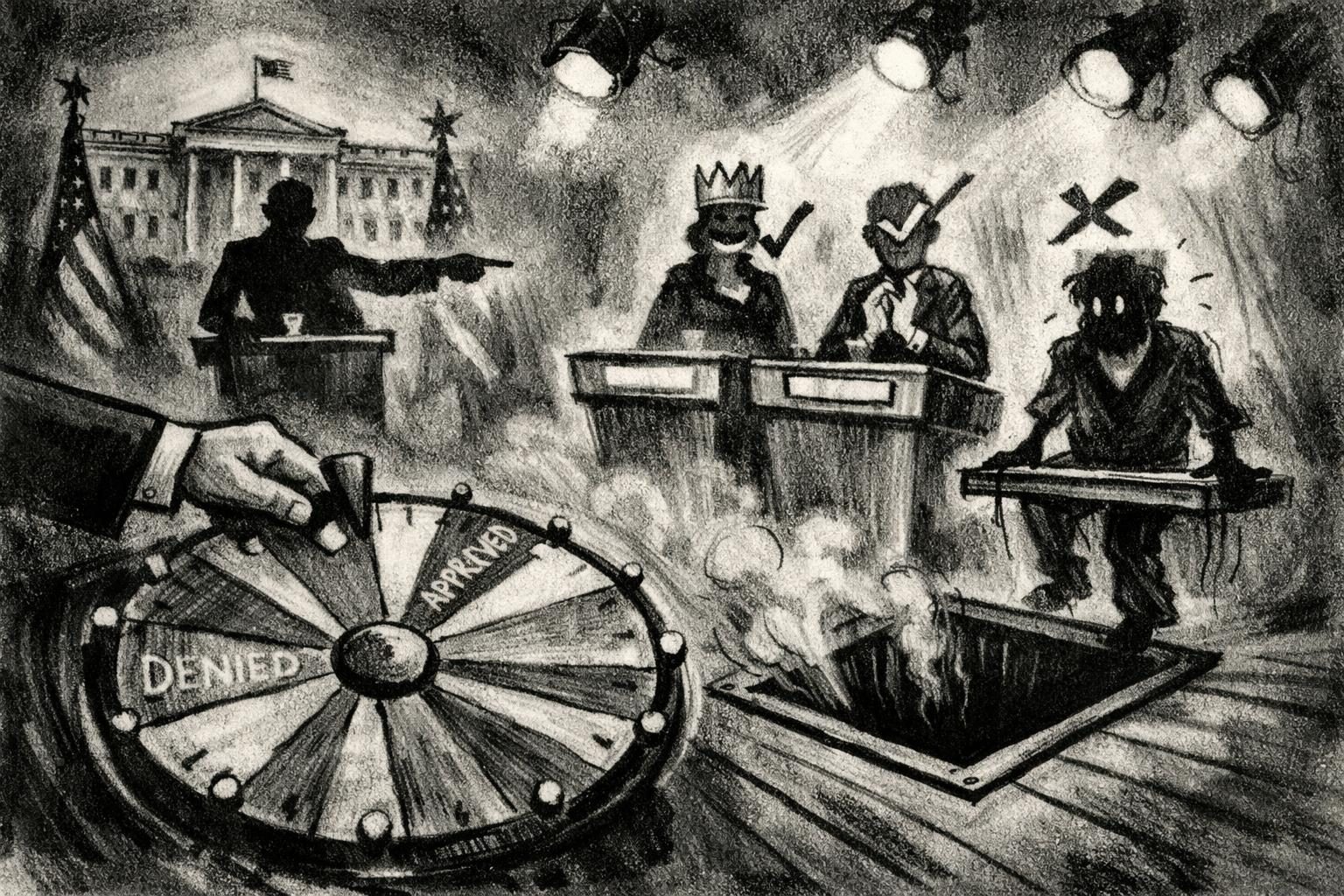
On October 16, the White House rolled out a new release promoting what it called a nationwide coalition in support of its anti-fraud campaign, and the presentation was as much about politics as policy. The announcement framed the effort as a broad, cross-government partnership aimed at protecting taxpayer-funded benefits, stopping improper payments before they leave federal accounts, and aligning a wide range of officials behind the administration’s preferred message. On paper, that sounds like a familiar promise: fewer losses, better oversight, and cleaner administration. In practice, the release reads more like a loyalty display dressed up in the language of good governance, with federal, state, and congressional names used to signal unity around a message that is already familiar from the administration’s broader rhetoric. The timing matters too, because the White House is not simply saying it wants to curb fraud; it is using the announcement to define the political meaning of benefits programs before any specific reform package or enforcement action has been tested in public.
That framing is where the trouble starts. Anti-fraud messaging is a legitimate part of governing, but the release leans hard into a benefits-only-for-the-right-people posture that blurs the line between legitimate oversight and political theater. By repeatedly emphasizing fraud, waste, and abuse, the administration is treating social benefits less like public services governed by statute and more like privileges that have to be justified through ritual displays of toughness. That may be effective if the goal is to reassure a skeptical base, but it also creates the kind of bureaucratic atmosphere where caution turns into suspicion and suspicion turns into denial. Agencies that feel praised for rejecting claims can start to behave as though accuracy means saying no first and asking questions later. The problem is not just rhetorical. Once the policy frame becomes “fraud is everywhere and vigilance is virtue,” the machinery that delivers aid can begin to absorb that logic, producing more paperwork, longer delays, and more people caught in the gap between legitimate eligibility and overzealous screening. If the White House wants this effort understood as competence, it is also inviting the public to see how easily competence can become a pretext for cruelty when the mood inside the system changes.
That is why the coalition pitch is likely to draw criticism even before any concrete case or rulemaking lands. The administration has already made “waste, fraud, and abuse” into a catchall justification for a wide range of priorities, and that habit tends to flatten distinctions that should matter. There is a real difference between targeted enforcement, aspirational messaging, and culture-war branding, but the release seems designed to collapse those categories into one convenient political story. If everything is fraud prevention, then almost any restriction can be sold as common sense and almost any benefit recipient can be made to feel like a suspect. Critics will likely argue that the White House is less interested in improving program integrity than in signaling toughness, especially because the message comes packaged as a public coalition rather than a narrow administrative update. That does not mean there is no fraud, or that oversight is unnecessary. It means the administration appears to be using a real policy concern as a stage prop, and that kind of framing rarely leaves the public with more clarity. It usually leaves people with a general feeling that someone, somewhere, is cheating, while the specifics remain conveniently vague.
The immediate impact of the release is reputational, but that does not make it trivial. The White House is trying to set the terms of the debate before the next enforcement action, eligibility change, or fraud-related announcement arrives. If it succeeds, then every later decision will be interpreted through the lens of suspicion: not just whether fraud exists, but whether the administration is using fraud as a rhetorical club to sort winners from losers. That is a serious governing choice, and it will be difficult to walk back once the policy language hardens into administrative habit. The coalition itself may well involve sincere participants who want to reduce improper payments and improve program administration, and it may even produce some useful coordination. But the release does not present the effort as a narrow technical fix. It presents it as a moral sorting mechanism, one that lets the administration claim both fiscal discipline and political virtue in the same breath. That is what makes the whole thing feel less like an operational announcement and more like an exercise in fraud theater: a show of vigilance that may not change much on the ground except the level of suspicion aimed at the people who depend on the programs being defended in the first place.
Comments
Threaded replies, voting, and reports are live. New users still go through screening on their first approved comments.
Log in to comment
No comments yet. Be the first reasonably on-topic person here.