
White House issues new Russia-Iran sanctions order as foreign-policy pressure turns into domestic paperwork
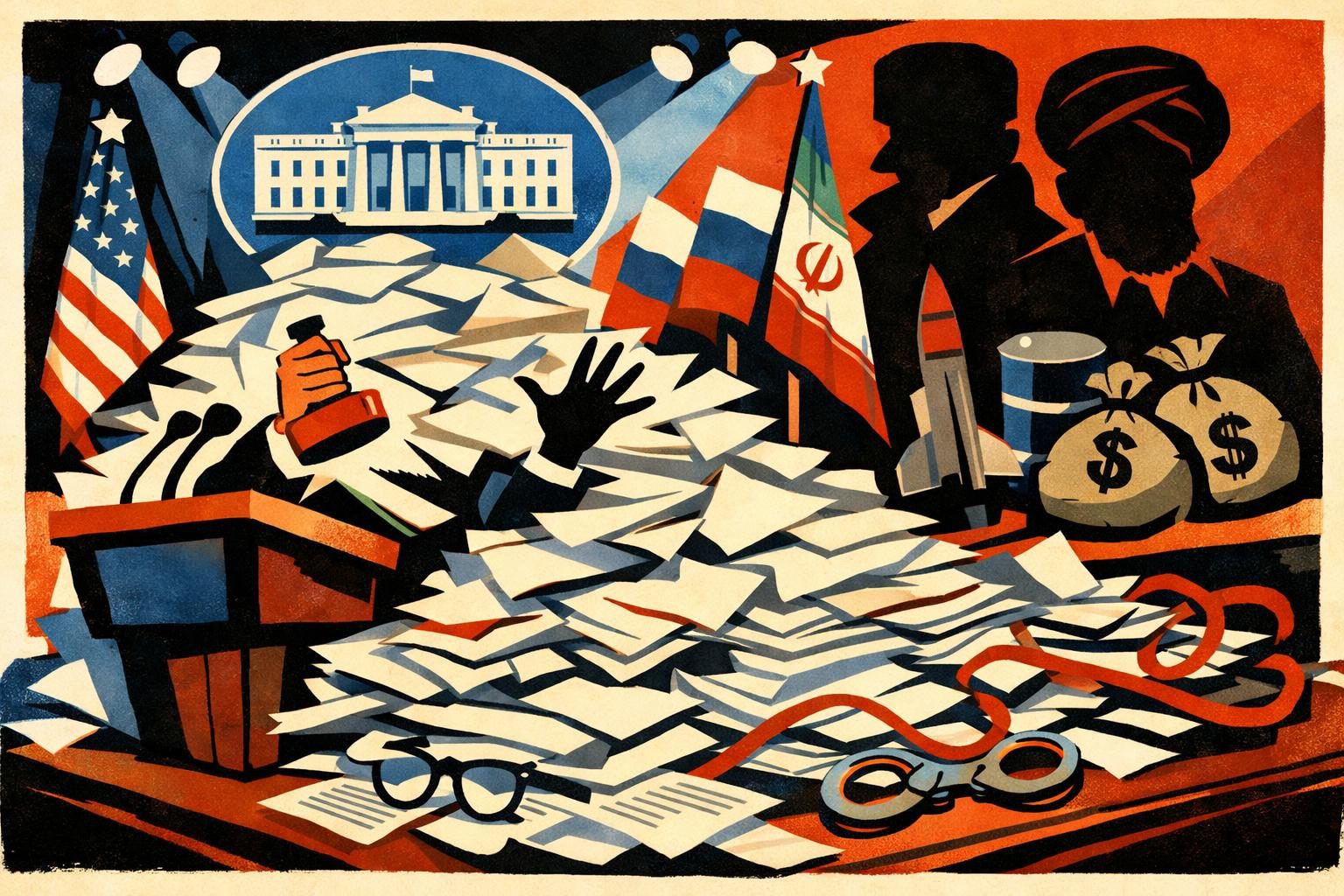
On October 16, the White House issued an executive order implementing the Lindsey O. Graham Sanctioning Russia and Iran Act of 2026, turning what had been a legislative promise into an operational directive for the federal bureaucracy. That may sound procedural, but in sanctions policy the paperwork is the point: once the executive branch starts translating a law into instructions, checklists, licensing rules, and enforcement priorities, the practical stakes change fast. What had looked like another hard-line statement on two perennial U.S. adversaries now becomes something banks, exporters, insurers, shippers, and compliance teams have to treat as live risk. The order does not just signal toughness abroad; it sets off a domestic process that can reshape contracts, block payments, and complicate everything from commodity shipments to financial services. In other words, the foreign-policy message is loud, but the regulatory aftershocks are where the real work begins.
That distinction matters because sanctions are only partly about punishment and largely about administration. Once a sanctions regime is embedded in an executive order, agencies have to decide who is covered, what counts as prohibited conduct, where exceptions apply, and how far to push secondary or related restrictions. Every one of those choices affects private-sector behavior, and every ambiguity becomes a business problem. A company that touches international finance, dual-use goods, logistics, insurance, or even routine vendor payments can suddenly find itself needing a fresh legal review just to keep moving. The order may be intended as a show of resolve, but it also creates the sort of compliance burden that often lands far from the policymakers who designed it. If the aim is to make pressure on Russia and Iran more concrete, this is the stage at which rhetoric turns into bank screening, trade restrictions, and licensing headaches.
The administration’s bet is that toughness still has political value, especially when it can be framed as a measured response to hostile states rather than a new experiment. Sanctions remain one of Washington’s favorite tools because they can be presented as forceful without requiring troops, and because they let presidents claim they are doing something visible when the diplomatic track is stalled. Supporters will likely argue that the executive order gives the government sharper leverage and clearer authority, and that in a messy international environment, refusing to act would signal weakness. But sanctions almost never stay neat once they are in motion. They generate waiver requests, carve-outs, interpretive guidance, and the recurring need to distinguish intended pressure from collateral damage. That is especially true when the targets are economies and networks with broad global reach, where restrictions can ricochet through allied markets and private contracts long before they do anything measurable to the governments named in the policy.
That is why the real test of this order will not be the announcement itself but the implementation that follows. Agencies now have to translate the directive into enforceable rules, and the private sector has to decide how cautious to be while the details settle. If the White House intends the order to have immediate bite, the next signals will probably come in the form of guidance, FAQs, or enforcement notices from the relevant departments. If the drafting is broader than the administration can easily police, the result may be another layer of sanctions architecture that looks imposing on paper but depends on endless clarifications in practice. Either way, the order is a reminder that sanctions are as much a domestic administrative exercise as they are a foreign-policy weapon. For companies exposed to cross-border transactions, the question is not whether the politics are serious, but how much new friction the government is prepared to impose in the name of seriousness. The broader geopolitical gamble is familiar: can pressure change behavior, or does it simply create a thicker file cabinet of restrictions, exceptions, and compliance notes that everyone learns to work around? For now, the answer is not settled, but the bureaucracy is already in motion.
Comments
Threaded replies, voting, and reports are live. New users still go through screening on their first approved comments.
Log in to comment
No comments yet. Be the first reasonably on-topic person here.