
Trump’s Tariff Moves Leave Businesses Waiting on Two Court Tracks
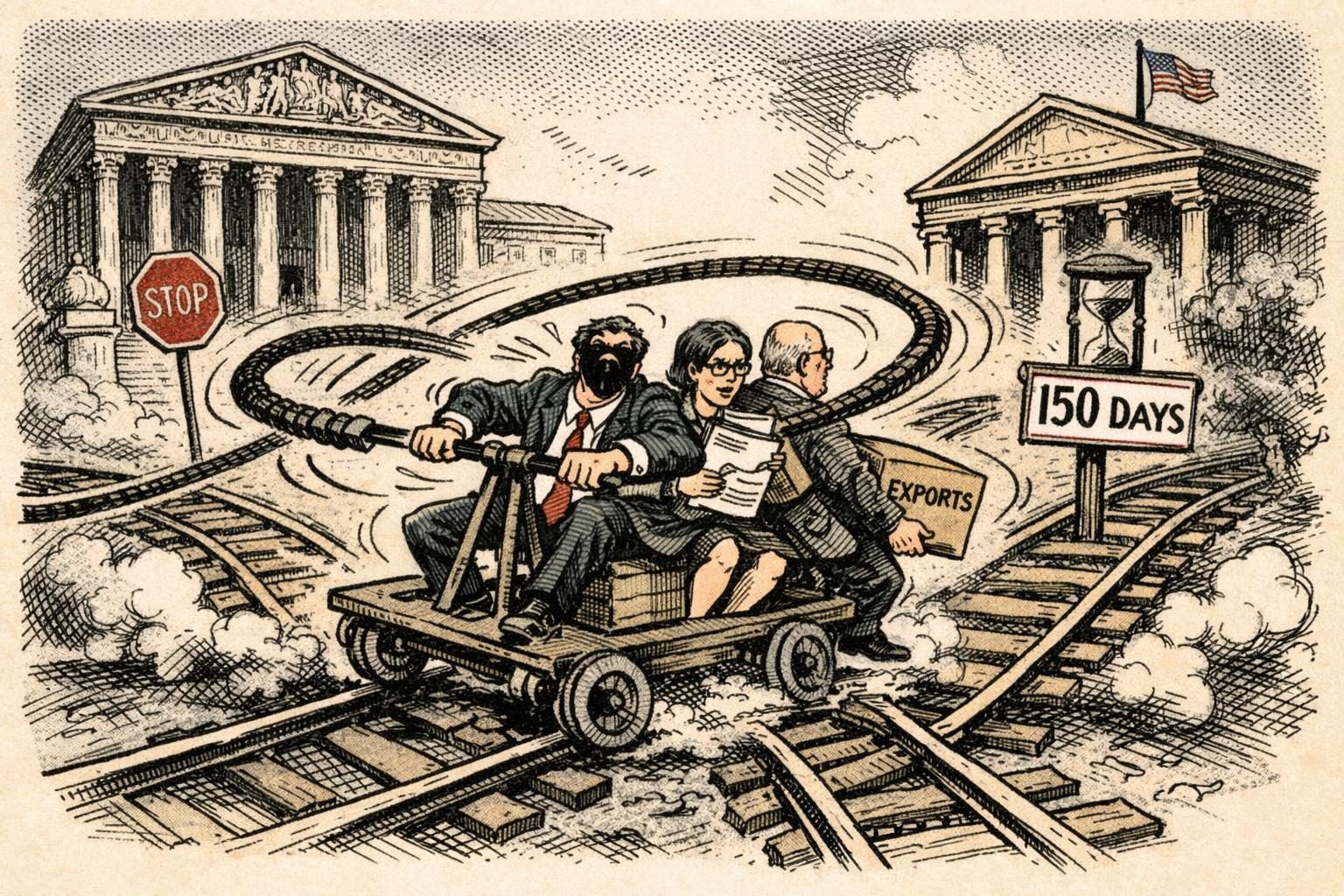
On Feb. 20, 2026, the Supreme Court held that the International Emergency Economic Powers Act does not authorize the president to impose tariffs. In the consolidated cases before it, the court vacated the judgment in No. 24-1287 and affirmed the judgment in No. 25-250, leaving the administration without that earlier legal theory for import duties. ([supremecourt.gov](https://www.supremecourt.gov/Search.aspx?FileName=%2Fdocket%2Fdocketfiles%2Fhtml%2Fpublic%2F24-1287.html&utm_source=openai))
That ruling did not end the tariff fight. After the Supreme Court decision, the administration turned to a separate 10% worldwide tariff under Section 122 of the Trade Act of 1974. A federal court later allowed the government to keep collecting it while the litigation continues, and the tariff is set to expire on July 24 unless the administration extends it or replaces it with another measure. ([apnews.com](https://apnews.com/article/a3e43fe91fa8335eac383921bed55f7e?utm_source=openai))
The result is a two-track dispute that keeps importers in a holding pattern. One tariff authority was rejected by the Supreme Court. Another is still live, but only under a different statute and a different lawsuit. That means businesses are still doing the same unglamorous work of guessing at landed costs, timing orders, and deciding whether to absorb duties, pass them through, or wait for another court order. ([supremecourt.gov](https://www.supremecourt.gov/Search.aspx?FileName=%2Fdocket%2Fdocketfiles%2Fhtml%2Fpublic%2F24-1287.html&utm_source=openai))
For the White House, the practical problem is simple: the legal system is narrowing its options, but not fast enough to remove uncertainty from the market. The Feb. 20 ruling shut the door on IEEPA tariffs. The Section 122 tariff bought time, not finality. If it expires on schedule, the administration will have to choose between letting it lapse, trying another legal route, or asking Congress for something broader. Either way, the businesses paying the duty have to plan before the government finishes deciding what the duty is. ([supremecourt.gov](https://www.supremecourt.gov/Search.aspx?FileName=%2Fdocket%2Fdocketfiles%2Fhtml%2Fpublic%2F24-1287.html&utm_source=openai))
Comments
Threaded replies, voting, and reports are live. New users still go through screening on their first approved comments.
Log in to comment
No comments yet. Be the first reasonably on-topic person here.