
Trump’s metals tariff reset stays chaotic for business
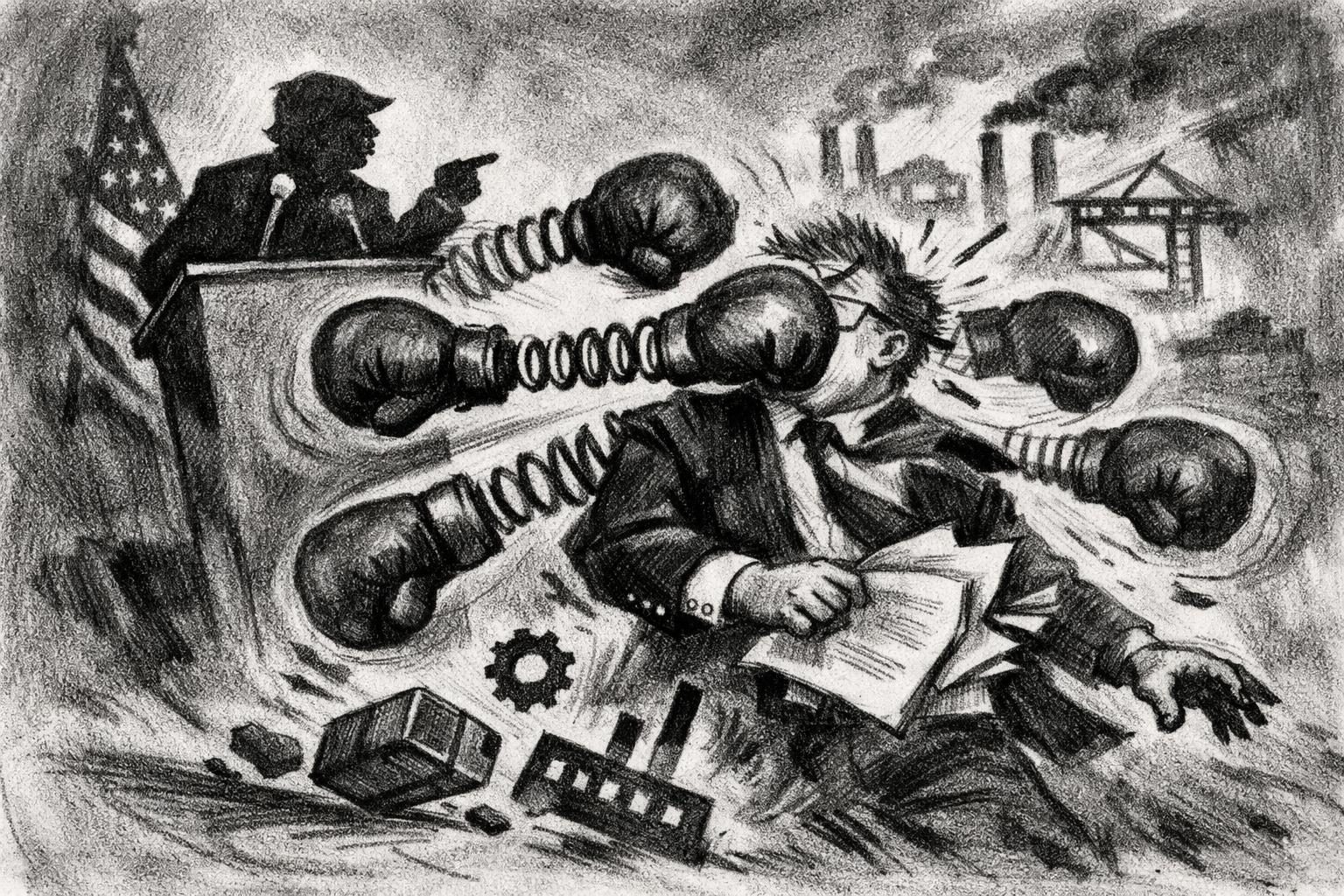
Trump’s latest metals tariff reset is now in force, and for businesses that have spent the last several years trying to price, source, and ship goods inside a constantly shifting trade regime, the effect is less policy clarity than more industrial whiplash. The June 1 proclamation revising tariff treatment for steel-, aluminum-, and copper-related imports took effect on June 8 at 12:01 a.m. Eastern time, altering duty rates and product coverage yet again in the middle of an already unstable system. Among the changes, the administration lowered the tariff on some agricultural equipment from 25 percent to 15 percent, broadened the industrial-equipment category in certain situations, and created a lower-duty path for some capital equipment containing enough U.S.-melted or U.S.-smelted metal content. In isolation, each adjustment can be described as a targeted tweak meant to encourage domestic production or reward higher U.S. content. In practice, though, the bigger story is the burden of constant revision, because every new carveout and rate change forces importers to stop and recalculate what they owe, what qualifies, and when a shipment is no longer governed by the rule they thought applied when they ordered it.
That kind of tariff instability is not just a problem for customs lawyers or trade consultants, though it certainly creates more work for them. It touches nearly every step of the import process, from ordering and contracting to transport timing, product classification, and final pricing. A company that believes it is buying under one rate may find itself exposed to another by the time goods arrive, clear customs, or are assigned to a customer order. That makes planning harder in the most basic commercial sense. Firms have to build in extra margin for surprise duty costs, prepare for added review, and spend more time checking whether a part, component, or finished product falls into a slightly different bucket than yesterday. It also means more hedging, more inventory padding, and more caution about locking in long-term pricing with suppliers or buyers. Supporters of the policy will argue that the point is leverage, and that the White House is using tariff pressure to steer trade flows and domestic investment. But leverage in theory does not erase the practical reality that businesses are being asked to operate inside rules that seem to move just as they start to understand them. The result is uncertainty, and uncertainty is expensive even when it is wrapped in national-security language.
The June 8 effective date is especially awkward because it lands inside a broader tariff architecture that is already dense with temporary rates, country-specific conditions, and product-specific exceptions. The administration has pitched these moves as part of a strategy to strengthen American manufacturing, reduce dependence on foreign metal inputs, and encourage greater use of U.S. content. That is the sales pitch, anyway. The mechanics are more complicated. Every time the government adds a new category, sets a new threshold for qualifying content, or creates a lower rate for some products but not others, it makes the overall system harder to interpret and easier to dispute. Customs brokers and compliance teams are left to parse definitions in real time, often with little room for error. A classification mistake can mean unexpected duties, delayed shipments, contract friction, and a great deal of paperwork no one wanted to create. Businesses can adapt to a higher tariff if they know it will stay put. They can adapt to a lower one too. What they cannot easily adapt to is a regime that keeps requiring fresh legal review as though the tariff schedule were an unfinished draft. The White House may see that as nimble policy. Many importers will see it as a permanent recalculation exercise.
There is also a broader political problem in the way the administration presents these resets. Trump has repeatedly cast tariff changes as proof that he is standing up for American workers, American industry, and American leverage in global trade. That message is designed to sound forceful and decisive, and in a political sense it probably is. But the business community experiences the policy through invoices, landed costs, and supply-chain timing, not through speeches. If the practical result is that manufacturers, distributors, and retailers have to keep revising assumptions every time the White House adjusts another metal-related rule, then the government is exporting uncertainty back into the domestic economy. That uncertainty can ripple outward into slower purchasing decisions, higher compliance costs, and less willingness to commit to new projects. The administration’s own tariff architecture may eventually produce the leverage it claims to want, or it may simply generate a steadier stream of confusion with each new proclamation. For now, the June 8 update looks like more of the same: a technical adjustment that may have a rationale on paper, but still leaves companies stuck in a trade environment where the main constant is that the rules can change again tomorrow.
Comments
Threaded replies, voting, and reports are live. New users still go through screening on their first approved comments.
Log in to comment
No comments yet. Be the first reasonably on-topic person here.