
Trump’s tariff push leans on a 1974 trade law
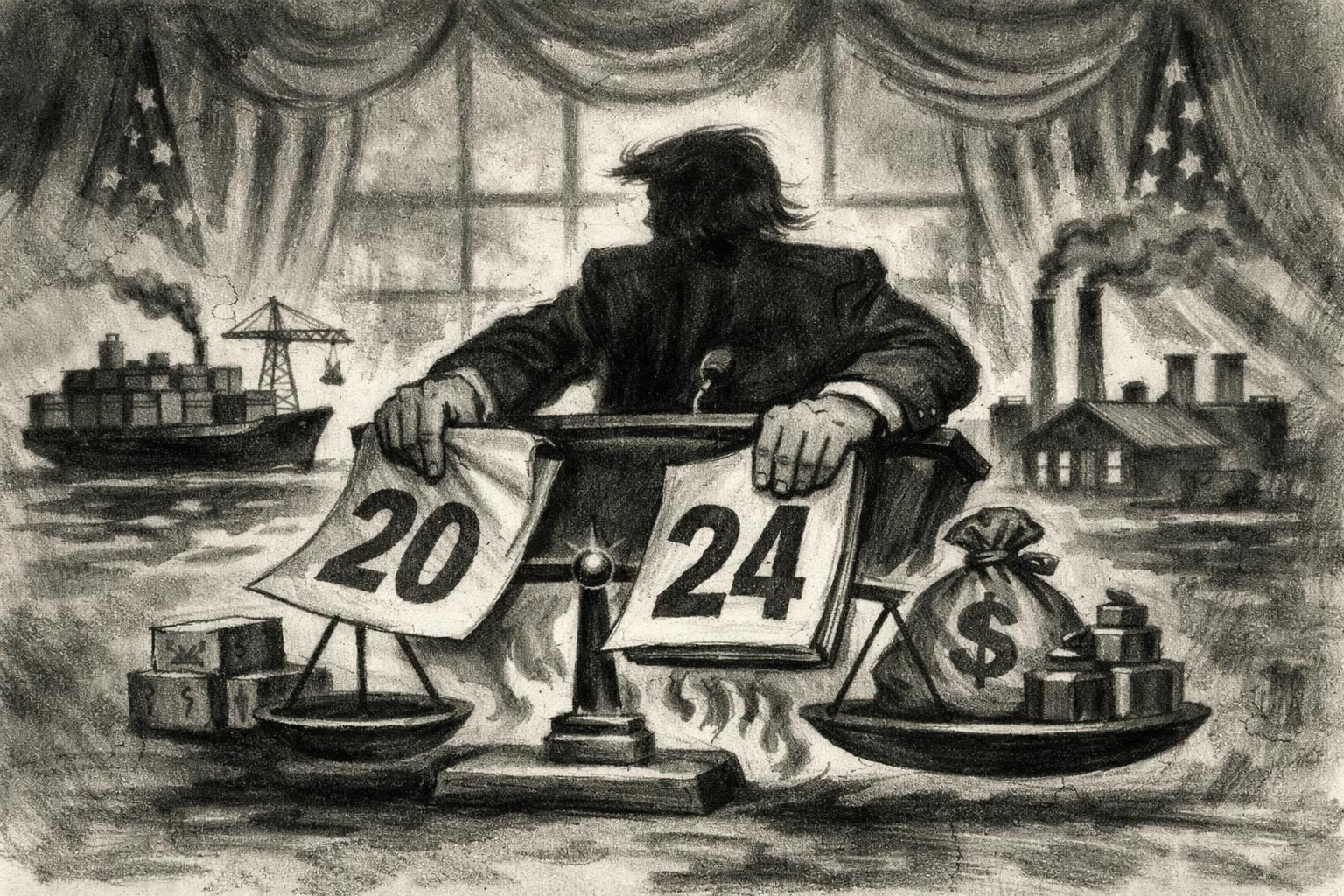
The latest tariff move is not being sold as a routine customs tweak. In a proclamation dated February 20, 2026, the White House imposed a temporary 10% ad valorem duty on imported articles, effective February 24 and set to run for 150 days. The order says the surcharge will not apply to several listed categories, including certain critical minerals, energy products, bullion metals, and natural resources and fertilizers that cannot be produced in sufficient quantities in the United States. That makes the policy broad, but not absolute. It also makes the legal footing unusually important. ([whitehouse.gov](https://www.whitehouse.gov/presidential-actions/2026/02/imposing-a-temporary-import-surcharge-to-address-fundamental-international-payments-problems/))
The administration is using section 122 of the Trade Act of 1974, a provision that allows temporary surcharges or other import restrictions when the president finds a fundamental international payments problem. The proclamation says the White House concluded that such a problem exists and that it is harming U.S. economic and national security interests. It also says the surcharge is being imposed to deal with a large and serious balance-of-payments deficit. This is a narrower legal tool than the kind of open-ended emergency power the White House often tries to project, but it still gives the president a fast-moving lever with a 150-day limit unless Congress extends it. ([whitehouse.gov](https://www.whitehouse.gov/presidential-actions/2026/02/imposing-a-temporary-import-surcharge-to-address-fundamental-international-payments-problems/))
The policy also fits the administration’s broader trade agenda. A White House trade-policy summary published in April 2025 described the trade deficit as an economic and national security threat and recommended tariffs on certain imports in pursuit of reciprocity and balanced trade. It also framed U.S. trade relations as deeply non-reciprocal and argued that tariff policy should be used to improve revenue collection and restore leverage. The new proclamation reads like that playbook translated into action: tariffs first, negotiation later, and a direct link drawn between trade balances and national interest. ([whitehouse.gov](https://www.whitehouse.gov/fact-sheets/2025/04/report-to-the-president-on-the-america-first-trade-policy-executive-summary/))
That does not make the policy legally or economically simple. The proclamation itself says senior officials advised the president that the balance-of-payments problem was serious enough to justify action. It also says some products were carved out because of the needs of the U.S. economy. That is the administration’s own acknowledgement that the measure is meant to be blunt, but not indiscriminate. Whether that balance holds in practice is another question. Import duties can raise costs, scramble supply chains, and invite retaliation if trading partners decide the White House has gone too far. ([whitehouse.gov](https://www.whitehouse.gov/presidential-actions/2026/02/imposing-a-temporary-import-surcharge-to-address-fundamental-international-payments-problems/))
Politically, though, the move is easy to read. It lets Trump present tariffs as a tool for punishing what he portrays as unfair trade and for forcing a faster correction than diplomacy or legislation would produce. The White House gallery entry showing Trump delivering remarks on tariffs the same day underscores the rollout: this was not hidden bureaucratic housekeeping. It was a public display of executive force, with the president at center stage. ([whitehouse.gov](https://www.whitehouse.gov/gallery/president-donald-trump-delivers-remarks-on-the-supreme-court-ruling-on-tariffs/))
The real test now is whether the administration treats the 150-day clock as a ceiling or a rehearsal. If the surcharge produces leverage, the White House can claim section 122 worked as intended. If it produces disruption, the same proclamation gives critics a clean argument: that a statute built for temporary payments problems is being pressed into service as a general-purpose tariff weapon. Either way, the White House is betting that speed and severity will sell better than restraint.
Comments
Threaded replies, voting, and reports are live. New users still go through screening on their first approved comments.
Log in to comment
No comments yet. Be the first reasonably on-topic person here.