
Trump’s Live Nation call raises access questions, but not proof of a deal
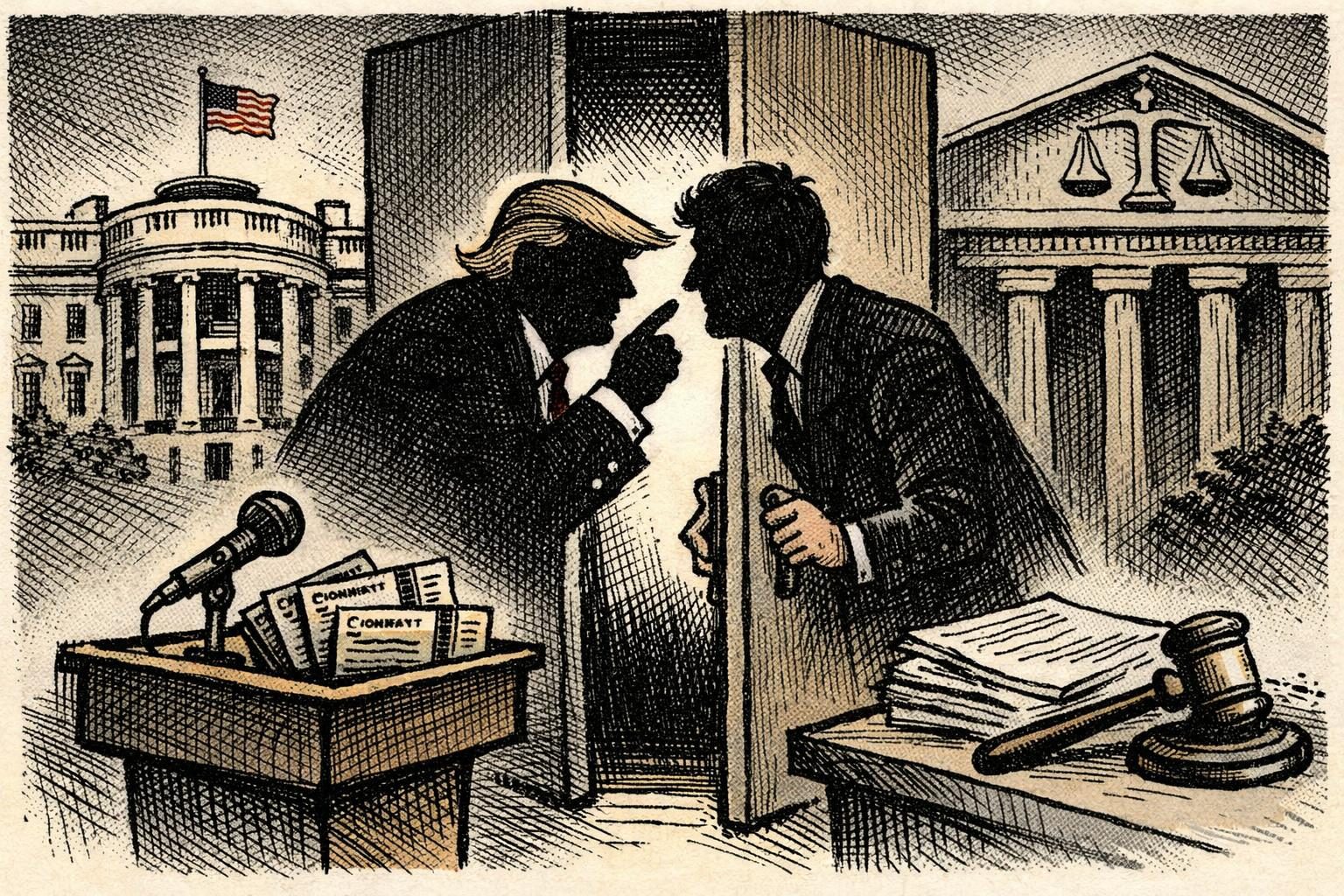
A new filing in the Live Nation antitrust case adds a political wrinkle to a settlement that was already drawing scrutiny, but it does not show a backroom bargain. The company disclosed that President Donald Trump spoke with CEO Michael Rapino in February 2026, while the case was still active, and that White House lawyers were involved in some communications about the matter. The Justice Department then announced a settlement on March 9, 2026, while the case was in trial. The filing does not say the conversation produced the deal, and it does not show that the parties negotiated settlement terms over that call.
That distinction matters. The disclosure is enough to invite questions about access and timing. It is not enough, on its own, to establish wrongdoing. A president speaking with the head of a company facing federal antitrust claims is unusual enough to generate headlines, but the filing gives only a limited account: there was contact, the matter was discussed, and lawyers in the White House were looped into related communications. It does not spell out any improper direction, pressure, or promise tied to the settlement.
The case itself centers on allegations that Live Nation and its Ticketmaster unit used their market position to restrain competition across live events. The Justice Department’s lawsuit, filed in May 2024, sought structural relief and accused the company of monopolization and other unlawful conduct in parts of the live concert business. Live Nation has denied wrongdoing. The March settlement resolved the federal case, but the terms of that resolution are now being examined against the backdrop of the February Trump-Rapino conversation.
Some states that were part of the case objected to the settlement, arguing it did not go far enough. That disagreement was already part of the record before the latest filing surfaced. The new disclosure does not resolve that dispute, and it does not prove that the White House steered the outcome. What it does do is sharpen the appearance of access at a moment when a high-profile antitrust case was moving toward a deal.
For now, the most defensible conclusion is also the narrowest one: the filing confirms a February conversation, confirms that White House lawyers were involved in some related communications, and confirms that the settlement followed in March. It does not establish a quid pro quo, and it does not by itself show that the federal case was improperly influenced. The politics are obvious. The proof is not.
Comments
Threaded replies, voting, and reports are live. New users still go through screening on their first approved comments.
Log in to comment
No comments yet. Be the first reasonably on-topic person here.