
Trump keeps selling the Iran truce as a victory while it still needs hands-on care
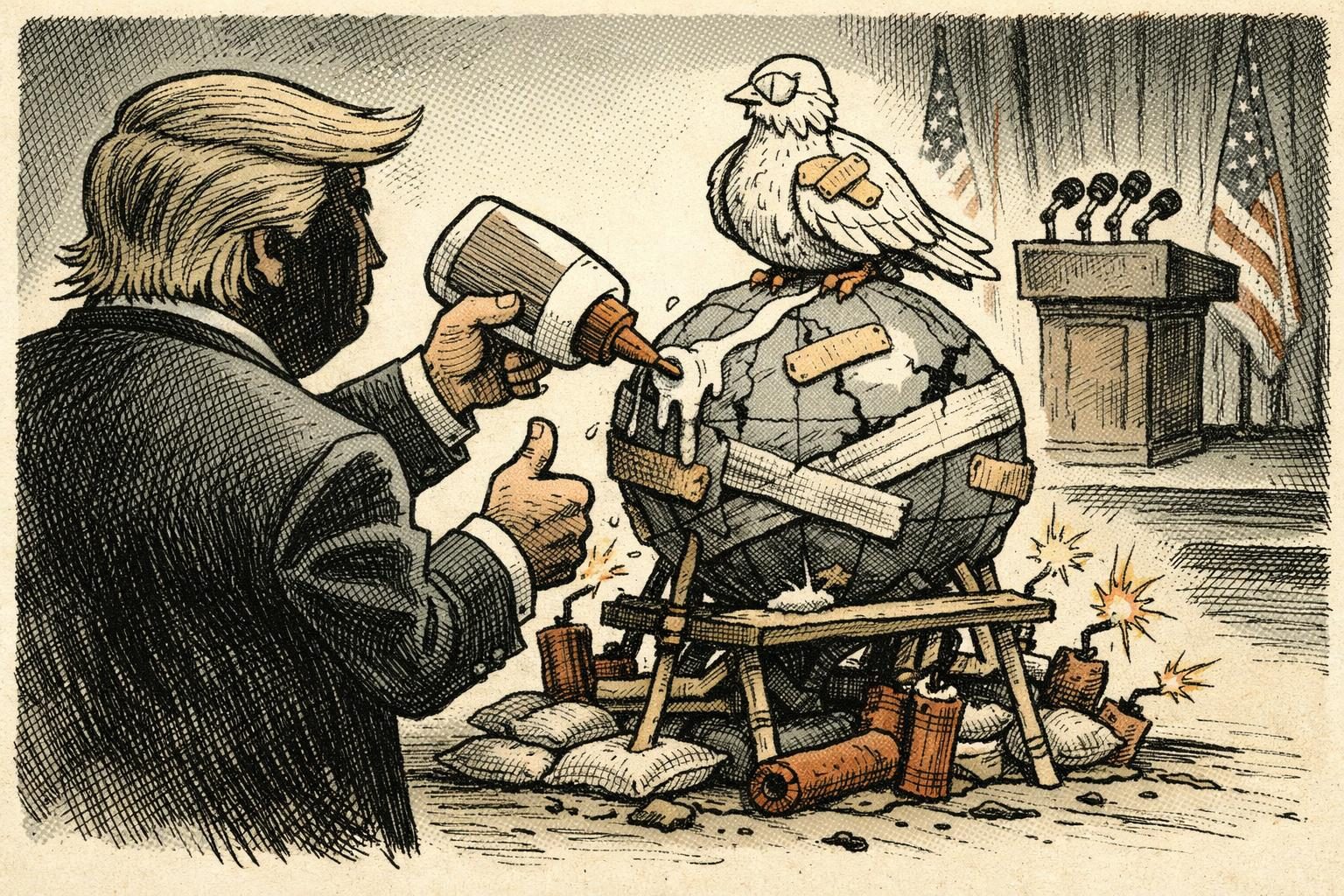
The Trump White House spent April 22 continuing to present the Iran pause as if it had already hardened into a clean political and military success, even though the public record still described something more fragile. In the administration’s telling, the clash with Iran had become a textbook example of “peace through strength,” with Trump cast as the leader who had pushed Tehran into backing down and brought the fighting to a halt. That framing fit the president’s preferred style, which treats outcomes as settled once he declares them settled. But the practical reality remained messier than the victory language suggested. A ceasefire is not a trophy you can put on a shelf and stop maintaining. It is a living arrangement that has to be reinforced, interpreted, and defended, often minute by minute, if it is going to survive contact with the next provocation.
That gap between the White House message and the underlying situation is where the story has stayed uncomfortable. The administration’s own materials earlier in the month had already leaned hard into the idea that Trump had broken Iran’s will and delivered a decisive outcome. On April 22, however, the same triumphal posture seemed to require constant repair. That is usually a sign that the event being sold is still moving, still dependent on caveats, and still vulnerable to an inconvenient turn. The problem is not simply that the administration wants credit for the pause. Any president would. The bigger issue is that the public messaging appears to be racing ahead of the actual ceasefire mechanics, as if repetition can substitute for durability. When the official tone sounds more certain than the arrangement itself, people notice. Allies notice, adversaries notice, and so does anyone who has seen a fragile truce collapse after the initial announcement phase.
This is where the political risk starts to widen beyond the immediate Iran question. Trump has long relied on a style of foreign-policy storytelling built around force, certainty, and a quick narrative finish. He acts, the other side folds, and the story is over before anyone has time to argue about the details. The Iran episode is not fitting that script especially neatly. Instead of a tidy end state, the White House has been left managing a pause that still needs explanation and reinforcement. That creates space for critics on multiple fronts. Supporters can continue to argue that pressure worked and that restraint was the whole point, but that argument depends on the ceasefire holding. Hawks can say the administration has not yet proved the arrangement is durable. Doves can point to the escalation itself as evidence of recklessness. And in the middle sits a White House that keeps having to patch the narrative while insisting the underlying problem is already solved. That may not amount to failure, but it is a long way from the clear-cut triumph the president wanted to sell.
The deeper danger is that the administration’s insistence on certainty can begin to undercut its own credibility. Trump’s brand has always depended on the idea that his confidence is a kind of evidence, that he can force events to bend to his will simply by applying enough pressure and saying so loudly enough. But a truce is not a campaign rally. It does not get stronger because it is described more forcefully. It gets stronger when both sides believe the cost of breaking it is higher than the value of testing it, and when the surrounding political and military conditions make restraint look safer than renewed conflict. If the White House keeps talking as if the Iran chapter is already closed, while the situation still behaves like a temporary intermission, it risks making the pause look more tentative than it otherwise would. That is not just a communications problem. It is a strategic one, because language this loud can invite scrutiny of every small sign of strain, every clarification, and every need for adjustment. The more the White House has to explain the success, the more it looks as though the success still needs help.
That leaves Trump in a familiar but awkward position: if the ceasefire holds, he will claim he forced restraint through sheer resolve and military pressure; if it frays, he will have to explain why the public story sounded stronger than the actual arrangement. Either way, April 22 reinforced the same basic tension. The White House wants the Iran episode to read like a completed victory, but the situation itself still behaves like a fragile pause that needs hands-on care. That does not mean the truce is doomed. It may still hold, and it may still prove useful. But the public sales pitch is already doing more work than the underlying facts can comfortably support. For a president who prizes dominance and hates the appearance of hesitation, that is a delicate place to be. Diplomatic audiences tend to remember not just whether a crisis was managed, but whether the management looked stable or improvised. If the administration keeps pushing triumph while the arrangement remains delicate, it risks turning a real pause into a credibility test. The ceasefire may survive. The overconfident narrative around it may not.
Comments
Threaded replies, voting, and reports are live. New users still go through screening on their first approved comments.
Log in to comment
No comments yet. Be the first reasonably on-topic person here.