
Comey indictment turns on whether a post crossed the line into a threat
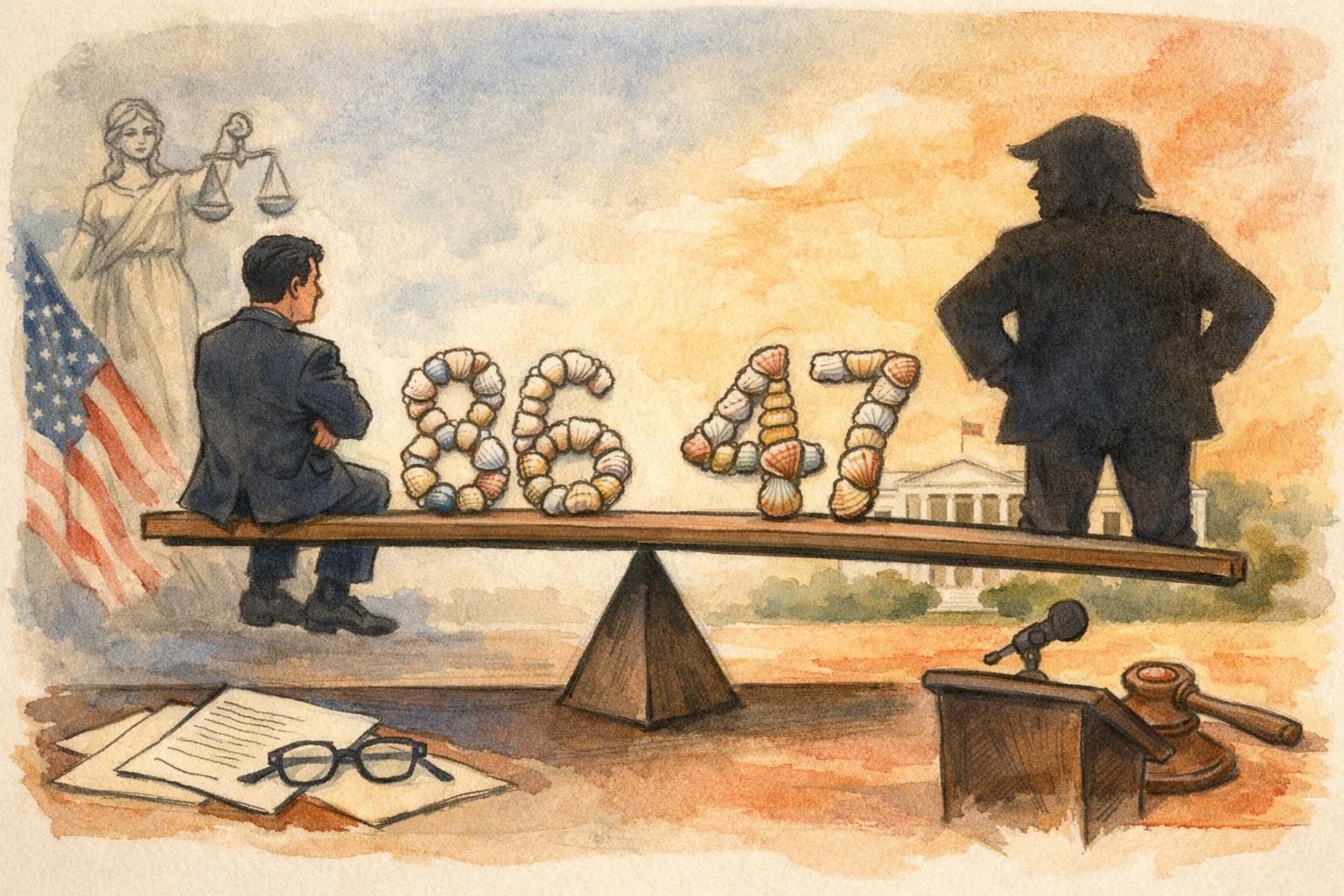
A federal grand jury in the Eastern District of North Carolina indicted former FBI Director James Comey on April 28, 2026, over an Instagram post he made on May 15, 2025. The post showed seashells arranged to read “86 47,” a reference prosecutors say amounted to a threat against President Donald Trump. The indictment includes two counts: one alleging a threat to take the life of, and inflict bodily harm upon, the president under 18 U.S.C. § 871, and another alleging transmission in interstate commerce of a threat to injure under 18 U.S.C. § 875(c). Comey has denied that the post was a threat and says he will contest the charges. citeturn030715df0b1efaa4006a1cb002983881948bc60572d317f63aturn030715df0b1efaa4006a1cb00484488194a140a185bcdd4d08
The case now turns on meaning, context, and intent rather than any physical act. Prosecutors will need to show that the image was more than political shorthand, a joke, or a message that only some viewers read as violent. Comey has said he believed the post was political commentary when he shared it and removed it after seeing that people were interpreting it as a call for violence. Those competing accounts will be central if the case reaches trial. citeturn030715df0b1efaa4006a1cb002983881948bc60572d317f63aturn030715df0b1efaa4006a1cb00484488194a140a185bcdd4d08
The politics around the indictment are inseparable from the prosecution itself. Trump fired Comey in 2017, and the two have been locked in a public feud ever since. Trump allies have cast the case as overdue accountability. Critics have warned that the indictment invites claims of selective or vindictive prosecution because of who Comey is and how much history sits between him and the president. Those arguments may shape public reaction, but they do not decide what the law says the government must prove. citeturn030715df0b1efaa4006a1cb002983881948bc60572d317f63aturn030715df0b1efaa4006a1cb00484488194a140a185bcdd4d08
For now, the record is limited to the indictment, the post, and Comey’s denial. What happens next will depend on whether prosecutors can persuade a court that a social-media image met the criminal threat standard. If they can, they will argue they enforced the law. If they cannot, the case will become another example of how a loaded political message is not automatically a crime. citeturn030715df0b1efaa4006a1cb002983881948bc60572d317f63aturn030715df0b1efaa4006a1cb00484488194a140a185bcdd4d08
Comments
Threaded replies, voting, and reports are live. New users still go through screening on their first approved comments.
Log in to comment
No comments yet. Be the first reasonably on-topic person here.