
Trump Media Keeps Feeding the Noise Machine With More Filing Theater
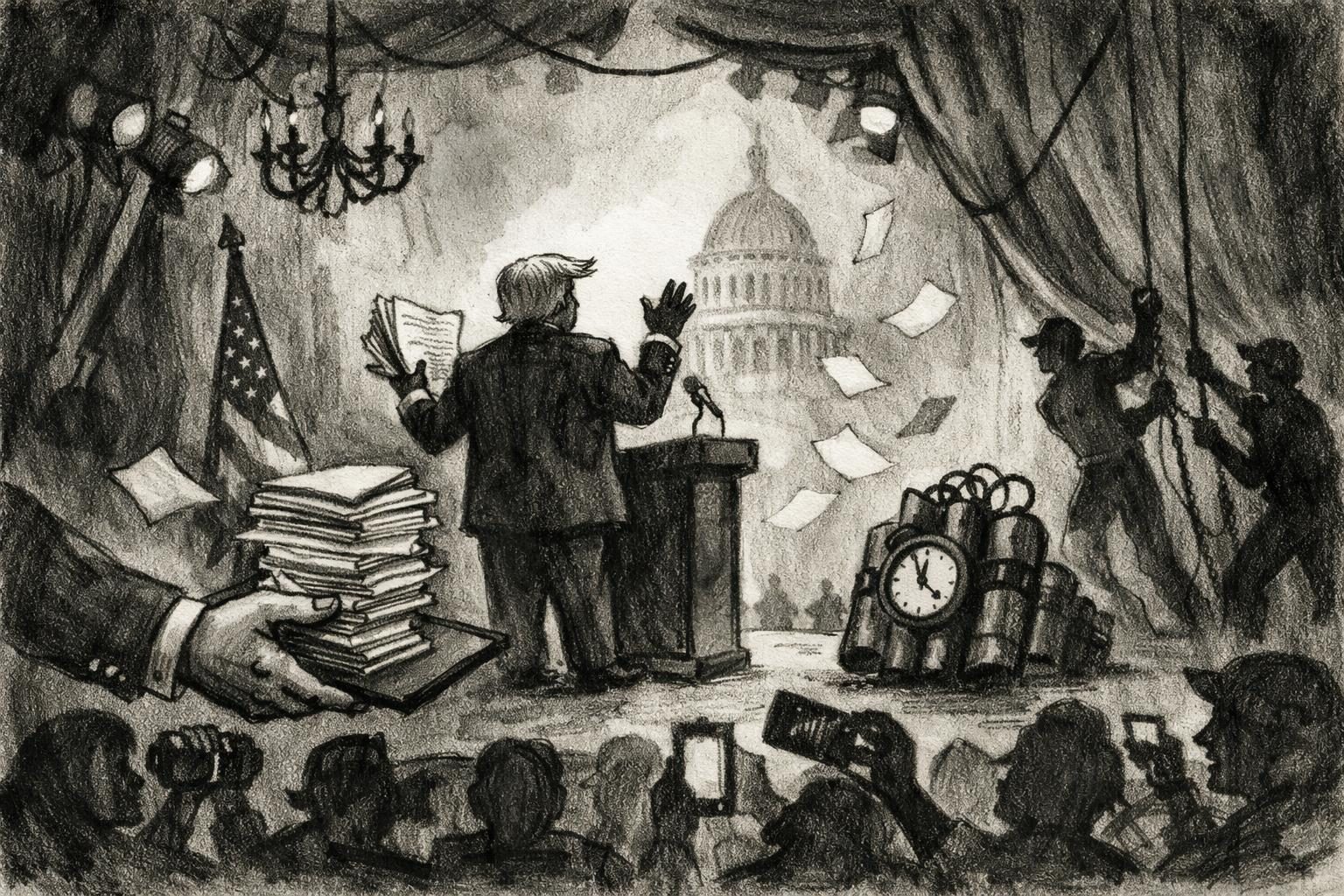
Trump Media & Technology Group is back in the filing machine, which is to say it is once again generating the kind of paper trail that keeps the company in the conversation even when the underlying business case remains hard to pin down. Recent SEC EDGAR activity in April and May added another set of disclosures to a pattern that has become familiar since the company went public: a steady churn of filings, updates, and paperwork that can be read as routine compliance but also as part of the larger performance around the stock itself. The documents are real, and the disclosures are the sort public companies are expected to make. But with Trump Media, the ordinary mechanics of public-company reporting almost never stay ordinary for long. Every new filing seems to arrive with an extra layer of political and market theater attached to it, as if the company cannot communicate without also staging another round of attention-grabbing spectacle. That does not automatically mean something improper is happening. It does mean the company’s story continues to be defined as much by noise as by operations, which is not usually the foundation investors look for when they want confidence.
That is especially true because Trump Media is not just a media company with a thin public float and a volatile stock chart. It is a corporate vehicle whose brand identity is inseparable from Donald Trump, and that makes the business impossible to separate from the politics surrounding him. In a normal setting, filings are supposed to help investors understand revenue trends, strategic priorities, governance changes, and the risks that could shape performance. Here, each filing lands in an environment where the audience is primed to interpret nearly everything through the lens of loyalty, grievance, and political warfare. That dynamic gives the company built-in attention, but it also creates a credibility problem that no amount of SEC compliance can fully fix. The business is supposed to project scale, stability, and a path to long-term value creation. Instead, it too often projects volatility, legalistic self-defense, and a dependence on whatever attention the Trump name can still command. There is nothing inherently unlawful about building a public company around a political brand. The problem is that the same brand that gives Trump Media visibility also makes it difficult to persuade skeptical investors that the company is operating like a conventional enterprise rather than a perpetual campaign object.
The latest round of filings therefore reads less like a clean corporate update and more like another episode in a continuing credibility test. For a healthy public company, disclosures ideally serve a clarifying function. They explain what is changing, what risks are emerging, and how management is thinking about the future. Trump Media’s filings, by contrast, often become part of the spectacle they are supposed to contain. The fact that the SEC paperwork exists does not suggest wrongdoing, and it would be absurd to treat routine filings as suspicious simply because the company is politically radioactive. Still, the frequency and visibility of the disclosures matter, because they keep dragging the company back into the news cycle and reinforce the sense that attention is not just a byproduct of the business model but one of its essential ingredients. That is a strange place for a media company to be. A serious platform should be judged on whether it can build audiences, keep them engaged, and monetize them without needing constant external drama to validate its existence. Trump Media often appears to rely on the same force that powers political rallies and culture-war branding: loyal attention, not boring operational discipline. That can create bursts of excitement and plenty of trading interest. It is much less convincing as evidence of durable value.
That leaves Trump Media with a familiar problem that does not seem to be going away. Once a company’s filings become part of the political conversation, every disclosure invites the same split-screen reaction: is this a routine business update, or just another turn in a corporate theater production tied to a political brand? Public shareholders are supposed to get more than vibes, symbols, and volume. They are supposed to get enough information to evaluate risk and performance without having to decode a loyalty test at the same time. The latest paper trail does not resolve that tension. If anything, it makes the tension more obvious by showing how thoroughly the company’s public identity remains intertwined with Trump’s wider political persona. For supporters, the steady stream of noise can look like momentum, proof that the company is still very much alive and still drawing attention. For everyone else, it can look like a high-risk asset trapped in a permanent controversy loop, where every new disclosure adds another layer of heat without adding much clarity. None of that is illegal, and in the current age of meme stocks, personality-driven investing, and attention-hungry brands, it is not even especially unusual. But it remains a very Trump-shaped flaw: the confusion of constant visibility with lasting value. In Trump World, boring is failure. In actual markets, boring is usually what serious investors prefer.
Comments
Threaded replies, voting, and reports are live. New users still go through screening on their first approved comments.
Log in to comment
No comments yet. Be the first reasonably on-topic person here.