
Trump name still gets used as a fraud engine, and the feds keep having to clean it up
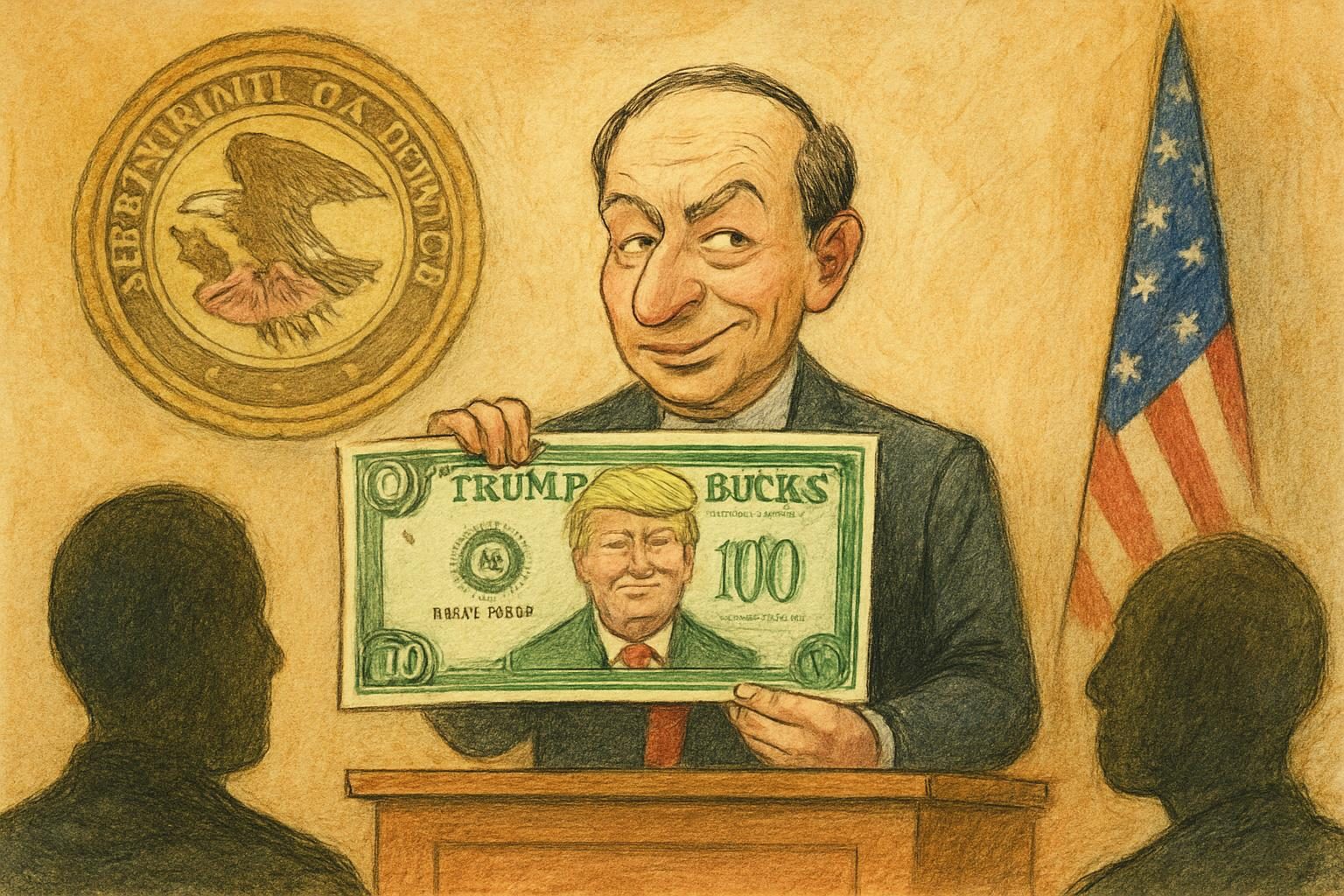
If you wanted a tidy example of how Donald Trump’s name has outlived its owner’s ability to control what people do with it, Manhattan federal prosecutors just handed one over. On May 13, the U.S. Attorney’s Office for the Southern District of New York said it unsealed two indictments against Goran Spiridonov and Kristina Janeva, both residents of North Macedonia, accusing them of running a fraud scheme built around Trump-branded fake financial products. According to prosecutors, the pair pushed bogus “Trump Bucks” and other Trump-themed collectibles or instruments to buyers in the United States, including older Americans who were allegedly targeted with claims that the items had special value or could become more valuable if Trump returned to power. The government says the products were counterfeit from the beginning and had no legitimate financial value. Trump himself is not charged, and prosecutors do not allege that he played any role in the scheme.
The basic mechanics of the alleged scam are depressingly familiar. Fraudsters pick a name that can still trigger excitement, loyalty, fear, or a little bit of all three, then wrap worthless junk in the language of access and insider status. In this case, prosecutors say the pitch depended on Trump’s brand recognition and the aura around the Trump Organization, with the defendants allegedly using that familiarity to make their merchandise seem like something more than novelty paper and false promises. That is exactly the kind of emotional shortcut con artists rely on: if a buyer thinks they are getting in early on a political collectible, a future moneymaker, or a rare piece of history, they are less likely to ask whether the thing is actually real. The Justice Department says the defendants used online marketplaces and encrypted messaging apps to reach customers, which fits the modern fraud playbook almost too neatly. Political identity, commercial hype, and social-media-era selling habits now blend together so easily that a scam can be made to look like a fandom, and a fandom can be made to look like due diligence.
What makes this particular case interesting is not just that Trump’s name was used, but how routine that has become. There seems to be a recurring cottage industry in which scammers attach Trump to coins, cards, checks, legal documents, novelty money, or some other supposedly exclusive object and then sell the fantasy that the item is tied to inside access, patriotic sentiment, or future political windfalls. Sometimes the pitch leans on scarcity. Sometimes it leans on resentment. Sometimes it leans on the idea that the buyer is smart enough to see what others missed. The alleged Trump Bucks operation appears to have used that same kind of emotional architecture, which is why prosecutors keep running into variants of it in different forms. This is one of the more unglamorous consequences of a political brand that has been built on spectacle, grievance, and constant attention: the name stays powerful enough to move supporters, but also familiar enough to be useful to scammers who want to borrow that power without permission. The result is a political marketplace where the brand itself becomes a piece of raw material for fraud.
The victims matter here, too, especially because prosecutors say many were seniors. Older Americans are not the only people who get hit by confidence schemes, but they are often attractive targets because scammers assume they may be more trusting, less digitally fluent, or more likely to treat a branded object as a legitimate collectible instead of a counterfeit pitch. That makes the alleged conduct feel especially grubby, even in a world where political merch already occupies a gray zone between fandom and hustle. It also underscores the fact that these schemes are not harmless jokes or silly souvenir sales; when someone is induced to part with money on the promise of special value that does not exist, that is plain old fraud. The government’s allegations say the defendants knowingly sold fake products as if they carried some connection to Trump-world legitimacy. Whether the objects were marketed as currency, memorabilia, or investment-like novelties, prosecutors say the same basic lie held everything together. The farther these scams spread, the clearer it becomes that Trump’s name is now functioning less like a brand with boundaries and more like a tool anyone can try to counterfeit.
There is no direct policy consequence here, and no allegation in the indictment that Trump had anything to do with the operation. Still, the larger political consequence is hard to miss. When a public figure’s name keeps surfacing in fraud cases, it says something blunt about how that name lives in the marketplace. It is no longer just a political identifier; it is also a commodity that can be copied, repackaged, and sold by people who have never met the man whose image they are exploiting. Prosecutors can indict the people who allegedly ran this scheme, seize evidence, and try to unwind the damage, but they cannot stop the next opportunist from reaching for the same trick with a new gimmick and a new set of victims. That is what makes this story more than just another minor criminal case with a celebrity label attached. It is a reminder that Trump’s orbit still generates profitable nonsense for outsiders who know how to weaponize his name, and that the line between political devotion and commercial exploitation remains absurdly easy to cross. In a healthier political environment, fake currency built around a living politician would look obviously ridiculous. In Trump’s ecosystem, it is merely one more scam trying to pass itself off as a souvenir.
Comments
Threaded replies, voting, and reports are live. New users still go through screening on their first approved comments.
Log in to comment
No comments yet. Be the first reasonably on-topic person here.