
Trump-branded scam case shows how a political name gets turned into cash
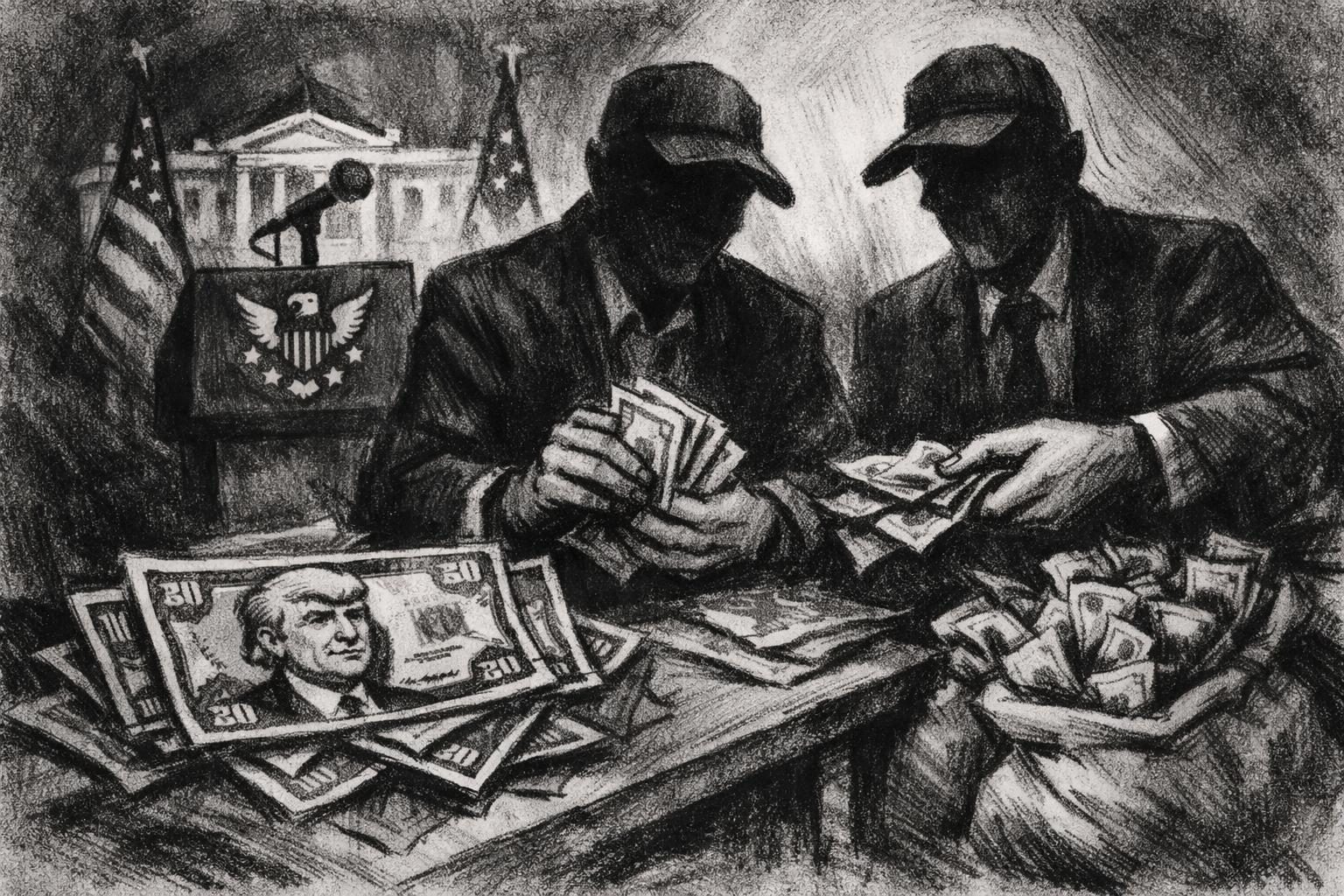
Federal prosecutors in Manhattan say a two-person fraud operation built around fake Trump-branded products has been running for years, may still be active, and appears to have preyed on people who believed they were buying something backed by a presidential name. In separate indictments unsealed on May 13, 2026, the Justice Department charged Goran Spiridonov and Kristina Janeva, both citizens of North Macedonia, with conspiracy to commit wire fraud, wire fraud and aggravated identity theft. Prosecutors say the pair falsely claimed that the products they sold were connected to Donald Trump, his family, the Trump Organization and his reelection campaign. Trump is not charged in the case, and the accusations are only allegations at this stage, but the details make the scheme look like a textbook example of how political branding can be turned into a rack of counterfeit promises. Fake currency, fake badges, fake checks and fake membership materials were packaged as if they had real legitimacy, when in fact the government says they were nothing but bait for victims.
According to the indictments, the alleged scheme dates to at least 2023 and has continued through the present, with victims spread across the United States. Prosecutors say the operation relied on online marketplaces and encrypted messaging apps to market a lineup of made-up goods with names designed to sound official, including “Trump Bucks,” “Golden Checks,” “Membership Booklets,” “Golden Badges,” “Trump Dollars,” “Trump Checks,” “Golden Trump Checks” and “Diamond Bucks.” The government says some of the items were promoted under a “Trump Rebate Banking System” banner, a phrase that sounds like it was assembled by someone who understood just enough finance language to make the pitch seem plausible. Prosecutors say buyers were led to believe the items carried real cash value or some kind of inside access, but none of that was true. The alleged operation appears to have worked by mixing political symbolism with bureaucratic-sounding nonsense, creating a scam that could be sold as a collectible, a financial instrument or a secret perk depending on what the victim was willing to hear. That kind of shapeshifting fraud is common enough to be familiar, but the Trump name gave it a particularly loud and profitable wrapper.
The Justice Department said the conduct may still be ongoing and urged people not to send money or personal information to anyone offering the fake products. That warning matters because the alleged scheme does not read like a one-off novelty hustle; it looks more like a persistent cross-border fraud business that used a high-recognition political brand as its sales engine. Prosecutors also said the case has hit many older Americans, which adds a darker edge to a scam already soaked in absurdity. The logic is not hard to follow. A buyer who trusts the brand is more likely to trust the pitch, and a buyer who thinks the products are connected to a real political or campaign apparatus may not stop to ask whether any of it makes sense. That is the basic machinery of this kind of fraud: use a familiar name, stack the offer with pseudo-official language, create a sense of exclusivity and urgency, then collect the money before the buyer realizes there was never anything real behind the curtain. If the government’s version is accurate, the scheme’s success depended less on sophistication than on the enduring power of a political identity that has become valuable in almost any context, including the criminal one.
The case also says something uncomfortable about the wider economy of Trump’s image. It is not that Trump personally ran this alleged fraud, and the charges do not suggest he did. But prosecutors’ theory underscores how a political brand can become a kind of open-source tool for scammers, especially when the brand already carries a mythology of wealth, loyalty, grievance and special access. That makes the Trump name useful in a way few political names are useful: it can be sold to believers, sold to skeptics and sold to people who are simply confused enough to think there is official value where none exists. The irony is obvious and almost too tidy. Trump has spent years selling himself as a fighter against fraud and a human guarantee of authenticity, while this case shows his name being used as the alleged fraud itself. For now, the defendants are presumed innocent unless and until proven guilty, and the government still has to prove its case. Even so, the broader lesson is already plain enough. When a political figure’s identity becomes a commercial franchise, it invites counterfeiters, impersonators and opportunists to treat the brand like an unguarded cash register. That is not a presidential scandal in the narrow legal sense, but it is a vivid illustration of how a political name can be stripped, repackaged and turned into cash by people with no loyalty to the original and no shame about the sale.
Comments
Threaded replies, voting, and reports are live. New users still go through screening on their first approved comments.
Log in to comment
No comments yet. Be the first reasonably on-topic person here.