
Two North Macedonia residents were indicted in Trump Bucks fraud case
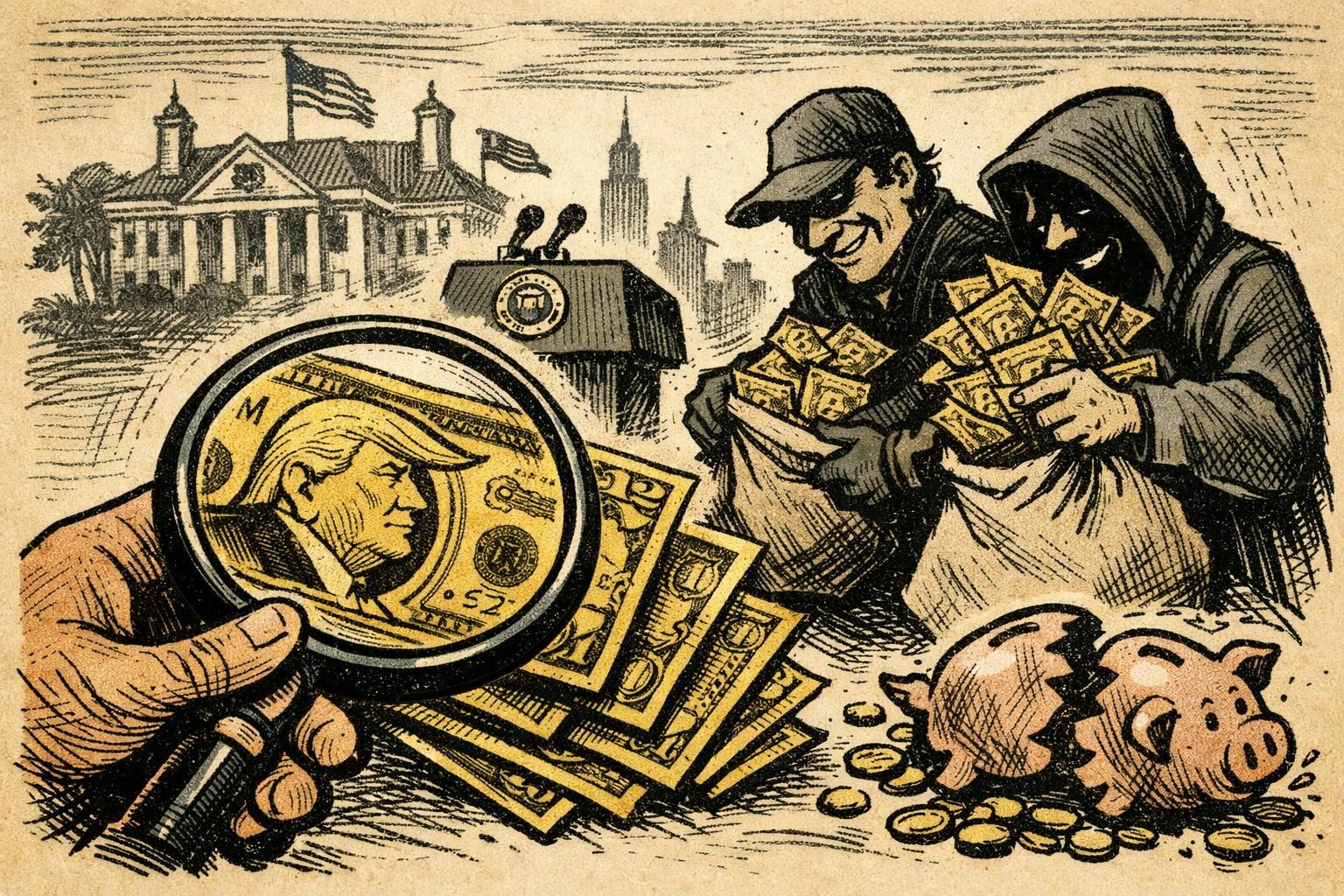
Federal prosecutors in Manhattan say two residents of North Macedonia helped operate a sprawling fraud that used the Trump name as bait and pushed fake products to victims across the country. In indictments unsealed May 13, the U.S. attorney’s office charged Goran Spiridonov, 25, and Kristina Janeva, 39, with participating in a scheme that allegedly blended bogus merchandise, online marketplaces, and encrypted messaging apps into a sales operation designed to look legitimate from a distance. Prosecutors say the fraud began no later than 2023 and was still active when the charges were filed, which makes the case less a tidy postmortem than a live look at a scam that investigators say had not yet fully collapsed. The government’s account describes a business model built around branding rather than substance, with the Trump name doing the heavy lifting and the actual goods functioning mostly as props. That is what gives the case its particular political stench: it sits in the ugly little corner where campaign-style devotion, celebrity marketing, and outright fraud all blur together.
At the center of the alleged operation were so-called Trump Bucks, which prosecutors say were fake, legal-tender-style items falsely presented as connected to Donald Trump, his family, the Trump Organization, and causes associated with him. But the paper products were only part of the pitch. According to the indictments, the operation also sold items with names like Golden Checks, Membership Booklets, Golden Badges, Trump Dollars, and Diamond Bucks, along with other merchandise dressed up to seem official, collectible, or investment-grade. The packaging and sales language were allegedly built to suggest legitimacy, scarcity, and eventual upside, even though prosecutors say none of that was real. Buyers were allegedly told the products had cash value and could later be redeemed at banks during a Trump presidency, a promise that sounds absurd because, according to authorities, it was absurd. Prosecutors say none of the items had any connection to Trump, his relatives, his company, or any government program, and the entire premise was engineered to separate people from their money while wrapping the theft in patriotic-looking camouflage.
The mechanics of the case point to a familiar modern scam structure: flashy front-end marketing combined with a digital backend that makes the operation easier to scale, harder to track, and harder to shut down quickly. Prosecutors say the defendants and their associates used an online marketplace and encrypted services such as Telegram to advertise the goods, coordinate sales, and communicate with victims or intermediaries. The government says the scheme reached buyers throughout the United States and generated proceeds in the hundreds of thousands of dollars. Older adults were among the primary targets, which is a detail that matters because scammers often aim for people they believe may be more susceptible to appeals to authority, novelty, nostalgia, or urgency. The Justice Department also says the operation had an international footprint, with other participants based abroad involved in the effort. That kind of cross-border setup can make investigations more cumbersome when the sales platform, messaging tools, and financial flows are spread across jurisdictions, but the underlying con was still simple enough: slap a famous name on junk, attach vague promises of future value, and move the money before the lie catches up.
Spiridonov and Janeva each face charges of conspiracy to commit wire fraud, wire fraud, and aggravated identity theft. Those are serious allegations, but they are still allegations, and both defendants are presumed innocent unless and until a court says otherwise. Prosecutors say both remain at large. Even so, the case offers a sharp illustration of how political identity can be turned into a commodity when a recognizable name is marketed as a stand-in for status, access, or profit. The alleged Trump Bucks operation appears to have relied on an old confidence-game formula that has been around for generations, only updated with encrypted chat, online selling platforms, and the endless churn of modern political fandom. What makes the case notable is not sophistication in the technical sense, but the shamelessness of turning something openly public and heavily branded into a counterfeit product line. That is the logic of brand grift at its most basic: take a famous name, attach it to vague promises, and exploit the gap between what people think they are buying and what is actually in the box. If prosecutors are right, this was not a one-off hustle or an improvised con. It was a structured sales machine, organized enough to keep going for years and brazen enough to keep peddling the same fantasy until federal investigators finally moved in.
Comments
Threaded replies, voting, and reports are live. New users still go through screening on their first approved comments.
Log in to comment
No comments yet. Be the first reasonably on-topic person here.